
Selecting the right move out boxes requires matching the density and fragility of your household goods to the volume and structural strength of the carton. The fundamental rule of packing is to place heavy, dense items like books and hand tools into small boxes, while reserving large, high-volume cartons exclusively for lightweight, bulky goods like pillows and linens. This distribution prevents bottom blowouts, keeps individual boxes at a manageable lifting weight, and ensures stable stacking inside the moving vehicle. By understanding how to read manufacturer specifications and calculating the space needed for protective padding, you can systematically organize your packing process to protect your belongings and prevent structural box failures during transit.
How to Read Box Dimensions and Weight Limits
Before packing a single item, you must understand the specifications printed on the cardboard carton. Manufacturers typically list external dimensions as Length x Width x Height. However, the internal usable volume is slightly smaller due to the thickness of the corrugated cardboard walls. When planning your packing layout, always measure your items against these internal dimensions to ensure a proper fit.
Beyond physical size, you must verify the structural capacity of each carton. Look at the bottom flap of the box for a circular stamp known as the Box Maker’s Certificate. This stamp provides critical safety ratings, such as the Edge Crush Test (ECT) or Bursting Test values. The ECT rating, measured in pounds per inch, indicates the box’s stacking strength and resistance to crushing under vertical pressure. A higher ECT rating is essential for boxes placed at the bottom of a stack.
Products mentioned in this guide
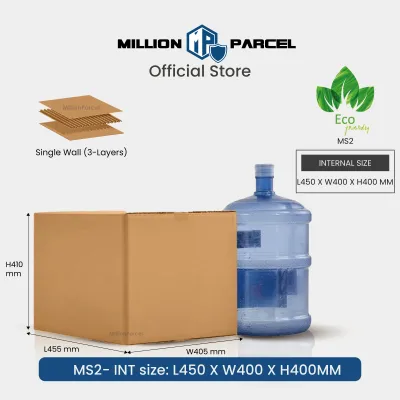
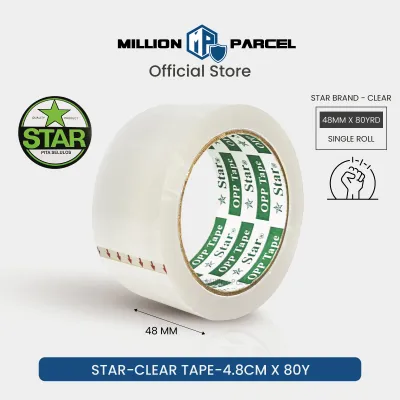
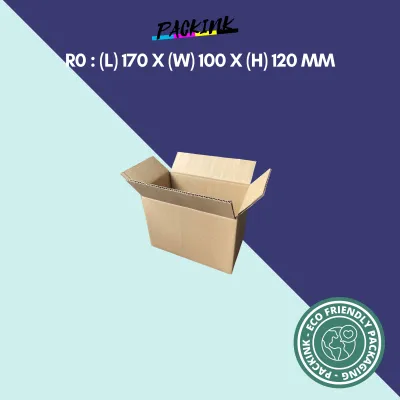
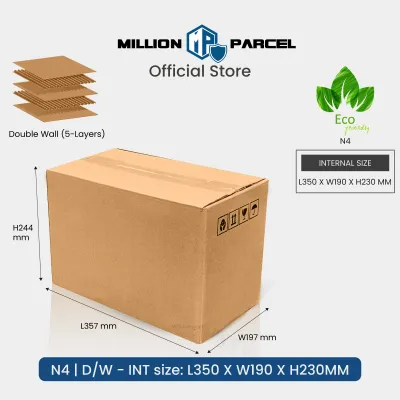
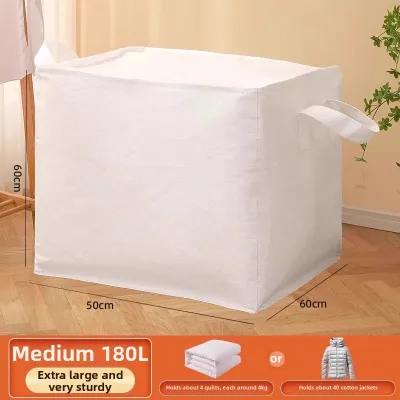
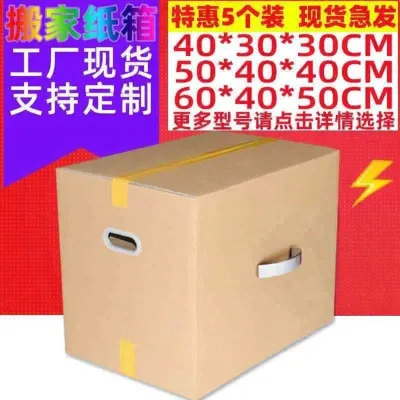
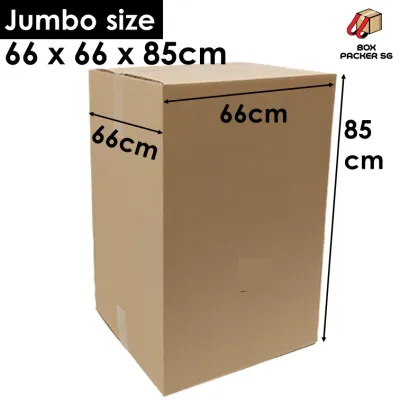
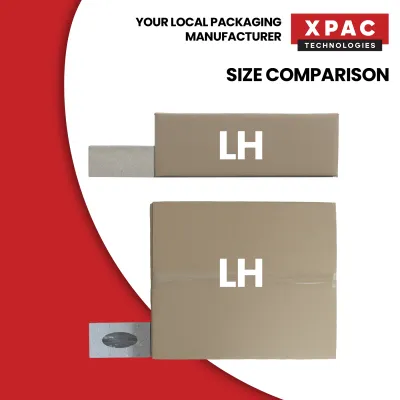
Prices are valid at publication and may change. Please refer to the product page for the latest price.
Additionally, inspect the physical condition of each carton before assembly. Even a high-rated box can fail if it has deep creases, moisture damage, or softened corners. In humid environments like Singapore, cardboard naturally absorbs moisture from the air, which significantly reduces its structural integrity over time. If a box feels soft, shows signs of previous water exposure, or has collapsed corners, set it aside for recycling rather than using it for heavy or fragile items.
Matching Move Out Boxes to Your Household Items
Efficient packing relies on a simple physical principle: the heavier the item, the smaller the box it requires. Placing heavy items in large boxes makes the container nearly impossible to lift safely and puts immense pressure on the bottom seams, leading to sudden structural failure. Conversely, packing lightweight items in small boxes results in an excessive number of containers, making the move disorganized and inefficient.

To select the correct carton size, estimate the total weight of each category of household goods before you begin packing. Group similar items together on a flat surface to assess their collective volume and density. This step allows you to choose a box that can accommodate the items comfortably while remaining well within the manufacturer’s rated weight limit.
Heavy and Dense Items Like Books and Tools
Books, hand tools, files, and canned goods possess high density, meaning they pack a significant amount of weight into a very small volume. For these items, small move out boxes—typically measuring around 1.5 cubic feet—are the safest choice. Using a larger box for books quickly creates a load that exceeds safe lifting limits and risks blowing out the bottom tape during transport.
When packing dense items, distribute the weight evenly across the base of the carton. Place the heaviest items flat at the bottom and stack lighter books or tools on top. Avoid placing heavy objects on one side of the box, as this uneven distribution causes the carton to tilt when lifted, putting unequal stress on the seams and handles.
Never fill a box to its visual capacity if doing so exceeds the rated weight limit printed on the bottom flap. If you reach the weight limit while the box is only half full, stop adding heavy items. Fill the remaining empty space with lightweight packing materials, such as crumpled unprinted packing paper, to prevent the contents from shifting during transit.
Bulky and Lightweight Items Like Linens and Clothing
Large and extra-large cartons, ranging from 3.0 to 4.5 cubic feet or more, are designed specifically for high-volume, low-weight household goods. Items such as pillows, winter coats, blankets, comforters, and plush toys are ideal candidates for these spacious containers. Because these items are naturally light, you can fill these large boxes to capacity without exceeding safe lifting weights.
When packing soft goods, you can use moderate compression to maximize space efficiency. However, avoid over-compressing items to the point where they exert outward pressure on the cardboard walls. Excessive internal pressure causes the sides of the box to bulge, which weakens the vertical structural strength and makes the carton difficult to stack neatly in the moving truck.
To maintain the box’s shape, fill any empty voids at the top or corners with smaller soft items like clean socks or hand towels. A fully packed, flat-topped box resists collapsing when stacked under other cartons. If a box is left partially empty, the weight of other containers stacked on top will cause the lid to cave in, destabilizing the entire stack.
Fragile Kitchenware and Irregular Appliances
Fragile items like ceramic plates, glassware, and small kitchen appliances require medium-sized boxes with reinforced walls. Standard single-wall boxes often lack the rigidity needed to protect delicate items from external impacts. Opt for double-wall cartons or specialized dish packs, which feature thicker corrugated cardboard to absorb shocks during transit.
When sizing a box for fragile goods, you must calculate the volume of both the items and the necessary cushioning materials. Plan for at least two to three inches of protective padding—such as bubble wrap, packing paper, or foam inserts—on the bottom, sides, and top of the box. This means the internal dimensions of the box must be significantly larger than the items themselves.
Avoid using oversized boxes for fragile kitchenware, even if you plan to fill the extra space with padding. Heavy fragile items can shift and settle during transport, causing them to collide and break. Instead, use medium boxes with built-in cardboard dividers to keep glassware isolated and secure, ensuring that no two delicate surfaces touch directly.
How to Prevent Overpacking and Box Failure
Before sealing any move out boxes, perform two simple physical checks to ensure they are safe to transport. First, conduct a “lift test” by gently raising the packed box a few inches off the floor. If the box feels excessively heavy or bends under its own weight, immediately transfer some items to a smaller container. Second, perform a gentle “shake test” to listen for shifting contents; if you hear items sliding around, add more packing paper to fill the voids.
Proper taping is critical to reinforcing the structural seams of your boxes. Use the H-tape method on both the top and bottom of the carton. This involves applying a strip of heavy-duty packing tape along the center seam, followed by strips across the side edges to seal all open seams. This technique distributes the weight of the contents evenly across the cardboard flaps and prevents the tape from peeling away under tension.
Look for clear physical signs of overpacking, such as bulging side panels, a rounded top lid, or stress creases near the corners. A box should maintain its flat, rectangular shape after it is sealed. If the cardboard is deformed, the box is highly susceptible to collapsing when stacked, which can damage both the contents inside and the items in the boxes beneath it.
Common Box Sizing Mistakes to Avoid
One of the most common packing errors is purchasing a single, uniform box size for the entire household. While this might seem convenient for purchasing and stacking, it inevitably leads to heavy items being packed in oversized boxes or fragile items being crammed into spaces without adequate padding. A successful move requires a diverse assortment of small, medium, and large cartons tailored to different item categories.
Another frequent mistake is ignoring the manufacturer’s weight limits and relying solely on visual capacity. Just because an item physically fits inside a box does not mean the cardboard can support its weight during transport. Always cross-reference the estimated weight of your packed goods with the ECT or weight capacity rating printed on the box.
Finally, avoid reusing worn-out or damaged boxes without a thorough inspection. While reusing boxes is environmentally friendly, cardboard degrades with each use. Creased corners, minor tears, and exposure to humidity permanently weaken the structural integrity of the fibers. If you must reuse boxes, reserve them strictly for lightweight, non-fragile items and reinforce all seams with extra tape.
Frequently Asked Questions (FAQ)
Can I use heavy-duty bags instead of boxes for lightweight items?
Heavy-duty plastic bags or fabric storage bags are suitable for soft, non-fragile items like clothing, pillows, and plush toys. However, they have significant structural limitations. Unlike cardboard boxes, bags cannot be stacked neatly in a moving truck, as they lack flat surfaces and structural rigidity. Placing heavy boxes on top of bags can crush the items inside or cause the stack to collapse. Additionally, bags are highly susceptible to tearing if they contact sharp corners or rough surfaces during the move. Use them only for items that cannot be damaged by compression, and transport them in designated areas of the vehicle where they will not be crushed.
How do I measure an oddly shaped item to find the right box?
To find the correct box size for an oddly shaped item, measure its maximum dimensions along three axes: the widest point (length), the deepest point (width), and the tallest point (height). Treat these measurements as a rectangular bounding box. Next, add at least two to three inches of clearance to each measurement to accommodate protective cushioning materials like bubble wrap or foam corners. Use these adjusted dimensions to select a carton with matching internal measurements. If the item is exceptionally heavy or has sharp protrusions, select a double-walled box to prevent the object from puncturing the cardboard during transit.

Community discussion
Share your experience or ask a question. Comments are reviewed before publication.