
Matching your knitting needles to your wool yarn is one of the most effective ways to ensure a smooth, frustration-free crafting experience. While it is tempting to choose needles based solely on what is available or what a specific yarn brand recommends, the physical relationship between the needle surface and the yarn texture dictates how easily your stitches move. The most suitable needle material depends on the surface friction, elasticity, and structure of your chosen wool.
When working with smooth, slippery wools—such as superwash varieties, merino-silk blends, or highly polished worsted-spun yarns—high-grip needles like wood or bamboo help keep your stitches secure and prevent accidental drops. On the other hand, rustic, sticky, or fuzzy wools—such as mohair, alpaca, or traditional woolen-spun yarns—glide much more freely on slick metal needles. By analyzing the physical behavior of your yarn rather than relying on brand names alone, you can select a needle material that balances grip and glide for consistent tension and comfortable knitting.
Identifying Wool Yarn Texture and Behavior
Before selecting your needles, take a close look at the physical characteristics of your wool yarn. Wool is not a uniform fiber; its texture varies depending on how the sheep was raised, how the fiber was processed, and how the yarn was spun. Assessing these physical traits allows you to predict how the yarn will behave when sliding over different needle surfaces.
Products mentioned in this guide
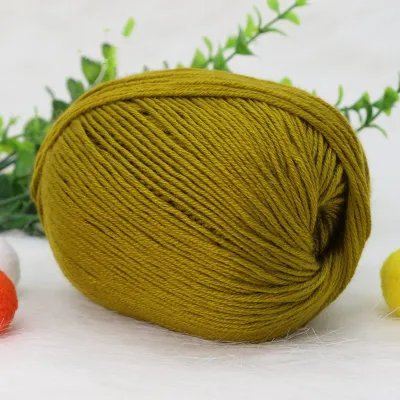
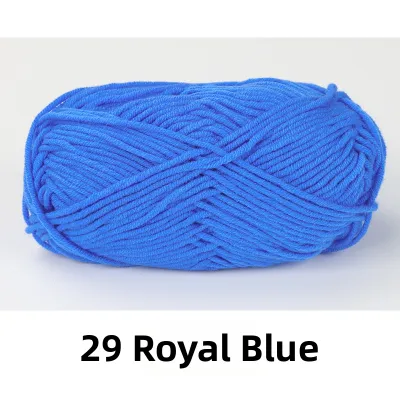
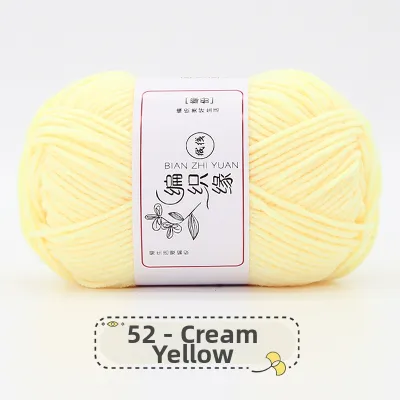
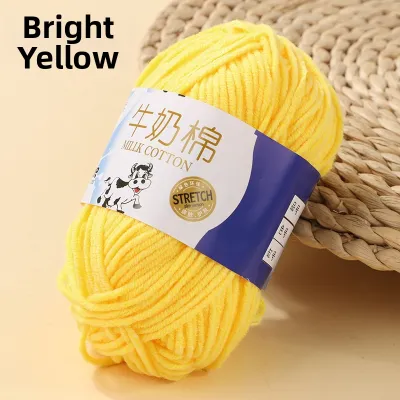
![[SG Ready Stock] YIBON Cotton Wool Roll 400g](https://img.lazcdn.com/g/p/e5d2b97366d3ad085091af6173014155.jpg_400x400q80.jpg_.webp)
Prices are valid at publication and may change. Please refer to the product page for the latest price.
Begin by evaluating the surface friction of the yarn. Run a strand between your fingers. Highly processed wools, especially those treated for machine washing (superwash), have had their natural microscopic scales smoothed down or coated. This results in a slick, slippery yarn that slides easily. In contrast, rustic or minimally processed wools retain their natural scales, creating a toothy, grabby texture that naturally clings to itself and other surfaces.
Next, check for the presence of a halo or fuzz. Fibers like mohair, alpaca, or loosely spun single-ply wools feature a prominent halo of loose fibers radiating from the core. This fuzzy bloom can easily catch on microscopic imperfections on your needles. If you are using a yarn with a heavy halo, you will need a needle surface that minimizes snagging while allowing the fibers to pass without dragging.
You must also observe the ply and split tendency of the yarn. Multi-ply yarns that are tightly twisted tend to hold together well, whereas loosely spun yarns or those with many thin, parallel plies can split easily. If your needle tip is too sharp or the material is too grabby, you risk piercing the yarn core and splitting the plies, which weakens the stitch and disrupts your rhythm.
Finally, evaluate the elasticity of the wool. Pure wool is naturally elastic, stretching and rebounding as you work. However, blending wool with inelastic fibers like silk, linen, or acrylic alters this behavior. Highly elastic wools help maintain tension on slick needles, while inelastic blends require more deliberate tension control, often benefiting from a needle material that offers a moderate amount of grip.
Comparing Knitting Needle Materials for Wool Projects
Knitting needles are primarily crafted from wood, bamboo, metal, plastic, or acrylic. Each material presents a distinct level of surface friction, weight, and thermal conductivity, directly influencing how different wool textures behave during a project.

Wood and Bamboo Needles
Wood and bamboo needles are celebrated for their organic texture and natural grip. Bamboo tends to be slightly lighter and more flexible, while hardwoods like birch, rosewood, or laminated densified wood offer a stiffer, highly polished finish. Both options provide significantly more surface friction than metal.
This high grip level makes wood and bamboo highly effective for managing slippery, superwash, or silk-blend wool yarns. The natural texture of the wood holds the stitches in place, preventing them from sliding off the needle tips prematurely. This characteristic is particularly valuable for beginners who are still mastering tension control, as well as for experienced knitters working on complex lace or cable patterns where a dropped stitch could disrupt hours of work.
However, the very friction that makes wood excellent for slippery yarns can become a hindrance with rustic or fuzzy wools. Grabby, woolen-spun yarns or mohair blends can drag on wood surfaces, requiring extra physical effort to push the stitches along the needle shaft. This resistance can slow down your knitting speed and lead to hand fatigue during long crafting sessions.
Metal Needles
Metal needles, typically made from stainless steel, brass, aluminum, or nickel-plated materials, offer the slickest surface available to knitters. They are rigid, durable, and feature highly polished tips that allow yarn to slide with minimal resistance.
The exceptional glide factor of metal needles makes them a common choice for sticky, rustic, or heavily textured wools. Fuzzy yarns that would catch on wood slide easily across metal, allowing you to maintain a fast, rhythmic knitting pace. If you are working on large projects like sweaters using grabby Shetland or Icelandic wool, metal needles can significantly reduce the effort required to move your stitches.
The primary limitation of metal needles is their lack of grip. When paired with slippery, superwash merino or silk-wool blends, the stitches can easily slide off the tips when the work is set down or turned. This combination requires constant vigilance to avoid dropped stitches. Additionally, in air-conditioned environments, metal needles can feel cold to the touch initially, though they quickly warm up as you hold them.
Plastic and Acrylic Needles
Plastic and acrylic needles serve as a versatile middle ground in the knitting world. They are lightweight, slightly flexible, and offer a moderate level of surface friction that sits comfortably between the high grip of wood and the high glide of metal.
This medium-grip profile makes plastic needles highly adaptable for standard worsted or aran weight wools. They provide enough traction to keep slippery stitches secure while offering enough glide to prevent rustic wools from dragging excessively. Because they are warm to the touch and exceptionally lightweight, they are often recommended for knitters who experience joint stiffness or hand fatigue.
When using plastic or acrylic needles, it is important to inspect them for manufacturing imperfections. Lower-cost molded plastic needles can sometimes feature raised seams along the sides or rough tips that can snag delicate wool fibers. Over time, acrylic needles can also develop fine surface scratches from use, which may increase friction and cause the yarn to catch.
Decision Framework: Matching Yarn Texture to Needle Material
To simplify your selection process, you can use a structured decision framework based on the physical properties of your wool yarn. Rather than relying on trial and error, matching specific yarn characteristics to the corresponding needle material ensures a more predictable and enjoyable knitting experience.
Choose wood or bamboo needles if your wool yarn is:
- Superwash treated, combed, or blended with silk, making it exceptionally slick.
- Highly elastic and tightly spun, which can cause it to spring off slick surfaces.
- Being used for intricate lace, cables, or colorwork where stitch security is paramount.
- Being knitted by a beginner who needs help maintaining consistent tension without dropping stitches.
Choose metal needles if your wool yarn is:
- Rustic, woolen-spun, unspun, or retains a high amount of natural lanolin and tooth.
- Fuzzy, featuring a prominent halo from mohair, alpaca, or brushed fibers.
- Being worked into a large project where maximizing knitting speed and reducing hand strain are priorities.
- Tightly plied and unlikely to split, allowing the sharp metal tips to navigate stitches quickly.
Choose plastic or acrylic needles if you:
- Are working with standard worsted, aran, or bulky weight wools that do not require extreme grip or glide.
- Prefer a lightweight, flexible needle that minimizes hand fatigue during long knitting sessions.
- Require a budget-friendly option for testing a new yarn weight before investing in premium wood or metal sets.
Before committing to a full project, always verify the compatibility of your yarn and needle combination. If you are working with a complex fiber blend—such as a wool-silk-mohair mix—the yarn may exhibit conflicting behaviors. Knitting a small test swatch is the most reliable way to observe how the specific fiber blend interacts with your chosen needle material.
Testing and Adjusting Your Needle and Yarn Combination
Even with a structured framework, the unique interaction between your personal knitting tension, the yarn, and the needle material requires practical validation. Conducting a quick trial before starting your actual project can save hours of unraveling later.
The most effective way to test your combination is to knit a gauge swatch of at least 10 by 10 centimeters. As you knit, observe how the stitches form and how easily they slide along the needle shaft. Your stitches should move smoothly with a gentle push of your fingers; you should not have to forcefully shove them along, nor should they slide off the tip when you relax your grip.
Pay close attention to whether the needle tip is causing the wool to split. If you notice that the tip frequently pierces the middle of the yarn strand rather than entering the stitch cleanly, the needle material or tip shape may be mismatched. A slightly blunter tip or a material with more surface grip can help guide the needle around the yarn core rather than through it.
Listen to the sound and feel the physical feedback of your knitting. A harsh scraping sound or a feeling of dry resistance indicates excessive friction, suggesting you should switch to a slicker needle material like metal. Conversely, if you feel like you are constantly gripping the needles tightly to keep the stitches from falling off, your hands will quickly tire, indicating a need for high-grip wood or bamboo.
Do not hesitate to adjust your tools based on your observations. Many knitters keep a variety of needle materials in the same size specifically for this purpose. Swapping a metal needle for a wooden one, or vice versa, can instantly resolve tension issues, eliminate hand pain, and transform a frustrating project into a smooth, satisfying craft.
Frequently Asked Questions (FAQ)
Does the knitting needle tip shape matter as much as the material?
Yes, the shape of the needle tip interacts directly with both the needle material and the yarn structure. Sharp, lace-style tips are highly beneficial for tightly spun, multi-ply wools because they allow you to navigate complex stitch patterns with precision, regardless of whether the needle is made of wood or metal. However, if you are using a slippery yarn on slick metal needles, a slightly blunter tip can provide an extra layer of safety, reducing the likelihood of accidentally splitting the yarn or dropping stitches.
How do I stop wool yarn from splitting on slick metal needles?
If your wool yarn splits frequently on metal needles, you can adjust your knitting style by slowing down your movements and ensuring the needle tip fully enters the center of the loop before completing the stitch. If the splitting persists despite a deliberate pace, the low friction of the metal is likely allowing the yarn plies to spread too easily. Switching to a wood or bamboo needle of the same size will introduce enough surface friction to hold the plies together, keeping the yarn intact as you work.

Community discussion
Share your experience or ask a question. Comments are reviewed before publication.