
Selecting the right protective packaging is a balance of matching the cushioning profile to an item’s weight, shape, and breakability. When purchasing bulk roll bubble wrap, understanding how different specifications perform under stress prevents transit damage and controls shipping costs. Small bubbles excel at surface protection for lightweight goods, whereas large bubbles absorb heavy shocks and fill empty spaces. By evaluating the material thickness, bubble diameter, and roll dimensions, you can establish a reliable packing system that safeguards your inventory without creating unnecessary waste.
Understanding Bubble Size and Thickness Options
To select the correct bulk roll bubble wrap, you must understand standard manufacturer measurements. Bubble wrap is categorized by bubble diameter and height. The most common diameters are 10mm (small), 20mm (medium), and 32mm (large). Bubble height corresponds to its diameter; larger bubbles project further from the backing sheet to provide a deeper cushion of air.
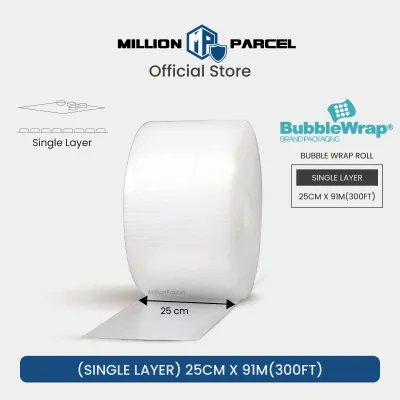
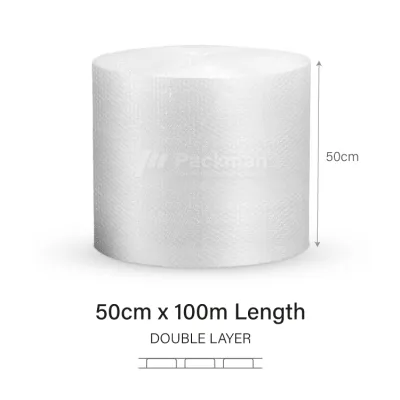
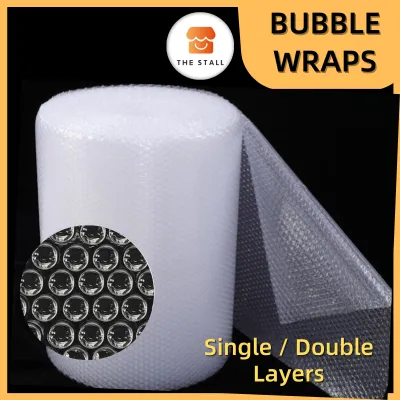
Material thickness is measured in micrometres (microns) or gauge. Single-layer bubble wrap consists of a flat plastic backing sheet with bubbles formed on one side. Double-layer variations feature a second flat sheet laminated over the bubbles, trapping the air inside. This double-layer construction increases puncture resistance and prevents bubbles from popping under sustained pressure, though it adds to the overall weight of the roll.
Products mentioned in this guide
![[Bundle] Bubble Wrap 50cm x 10m OPP Clear Tape 48mm Free Fragile Stickers](https://img.lazcdn.com/g/p/aa0af1fb24937edbb8ede1f2ea74be5e.jpg_400x400q80.jpg_.webp)
Prices are valid at publication and may change. Please refer to the product page for the latest price.
When purchasing bulk rolls, read the manufacturer’s label to verify specifications. Look for the roll width, total length, bubble diameter, and plastic density or thickness rating. Labels should also indicate if the material is perforated at regular intervals, such as every 300mm or 500mm, which speeds up the packing process by eliminating the need for cutting tools.
Matching Bubble Diameter to Item Fragility
Selecting the correct bubble diameter is the first step in tailoring your packaging to the specific fragility and weight of your items.

Small bubbles (typically 10mm in diameter) are designed for lightweight, delicate items requiring close-fitting surface protection. Because the bubbles are small and densely packed, the wrap conforms easily to complex shapes. This makes it ideal for wrapping small cosmetics, glassware, ceramic figurines, and books. The primary function of small bubbles is to prevent scratches, abrasions, and minor impacts during handling.
Medium bubbles (around 20mm in diameter) offer a versatile middle ground. They provide a balance of surface protection and moderate shock absorption, making them suitable for standard fragile items like framed pictures, larger pottery, and household electronics. If your shipping inventory varies widely in size and weight, medium bubble rolls offer a flexible single-product solution.
Large bubbles (typically 32mm in diameter) are necessary for heavy, bulky, or highly fragile items. The substantial volume of air in each bubble provides deep cushioning that can absorb significant impact energy. Large bubble wrap is also highly effective as a void fill material, preventing items from shifting inside a larger outer box. It is commonly used for packing heavy kitchen appliances, large musical instruments, and industrial components.
To determine the right diameter for your needs, use this decision checklist:
- Weight: Items under 1 kg generally do well with small bubbles; items between 1 kg and 5 kg benefit from medium bubbles; items over 5 kg require large bubbles to prevent the air pockets from bottoming out.
- Surface sensitivity: If the item has a polished, painted, or easily scratched surface, use small bubbles as the primary layer to ensure tight, non-slip contact.
- Breakability: Highly brittle materials like porcelain or thin glass require a combination of small bubbles for surface protection and large bubbles or void fill to absorb external shocks.
Selecting Thickness and Layers for Shock Absorption
While bubble diameter determines the cushioning depth, the thickness of the plastic film and the number of layers you apply dictate the wrap’s resistance to punctures and heavy impacts.
Standard single-layer bubble wrap is suitable for basic protection of lightweight goods with smooth, non-abrasive edges. It is highly flexible and cost-effective, making it the standard choice for everyday ecommerce shipping. However, if you are shipping items with sharp corners, protruding parts, or heavy profiles, standard wrap can easily puncture, causing the bubbles to deflate and leaving the item vulnerable.
For challenging shipping environments or heavy items, double-layer or multi-layer wraps are necessary. These heavy-duty rolls feature a thicker plastic gauge that resists tearing. If you are shipping internationally or through courier networks where packages are subject to high-drop risks and rough sorting conveyor belts, the added puncture resistance of a thicker film is crucial.
You can achieve adequate protection by wrapping an item multiple times with standard wrap or by using a single layer of heavy-duty wrap. Wrapping an item multiple times allows you to customize the thickness for specific areas, such as adding extra layers around the delicate handles of a ceramic mug. However, using a single layer of pre-laminated thick wrap is faster and ensures consistent protection across the entire surface without adding excessive bulk.
Keep in mind the trade-offs between protection and shipping costs. Thicker wraps and multiple layers increase the physical dimensions of the package. Because shipping rates are often calculated based on dimensional weight, excessive wrapping can push your package into a higher pricing tier. Verify that your chosen thickness provides adequate protection without unnecessarily inflating the box size.
Choosing the Right Bulk Roll Width and Length
Buying bubble wrap in bulk rolls is highly economical, but you must select the right roll dimensions to minimize material waste and manage your workspace efficiently.
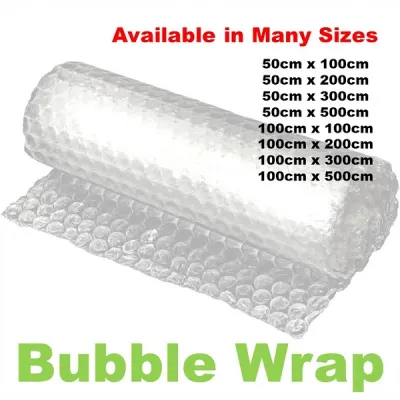
Roll width should be chosen based on the average size of the items you pack most frequently. Common bulk roll widths include 300mm, 500mm, and 1500mm. For small items like jewelry boxes or cosmetics, a 300mm wide roll is easy to handle and requires no horizontal cutting. For larger items like paintings or computer monitors, a 500mm or 1500mm roll allows you to cover the entire item in a single pass, reducing the need to tape multiple sheets together.
When evaluating roll length, consider your monthly shipping volume. Bulk rolls often come in lengths of 50 to 100 meters. While longer rolls offer a lower cost per meter, they require significant storage space. If you operate from a home office or a small retail space in Singapore, storing multiple 1.5-meter-wide, 100-meter-long rolls can quickly overwhelm your workspace. Balance the upfront savings of larger rolls against your available storage capacity and the physical effort required to move them.
To prevent material degradation, store bulk rolls in a cool, dry place away from direct sunlight. Prolonged exposure to ultraviolet (UV) light and high temperatures can weaken the polyethylene plastic, making the bubbles brittle and prone to popping prematurely.
For clean dispensing, invest in a dedicated roll dispenser with a built-in slide cutter. Attempting to tear bubble wrap by hand stretches the plastic and pops the bubbles along the tear line. A sharp utility knife or heavy-duty packing shears will ensure clean cuts, reducing material waste and keeping your packing station organized.
Applying Bubble Wrap for Maximum Transit Protection
Even high-quality bubble wrap fails if applied incorrectly. The first rule of packing is to ensure the bubbles face inward, toward the item. This orientation allows the flexible air pockets to conform tightly to the item’s shape, providing direct shock absorption and preventing the flat backing sheet from sliding against delicate surfaces.
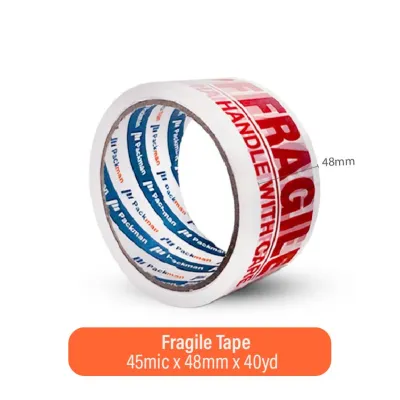
When securing the wrap, use high-tack packing tape to seal the seams. Avoid wrapping the tape too tightly, as excessive tension can compress and pop the active bubbles, reducing their protective capacity. Secure the ends of the wrap firmly so that the material cannot slide off during transit.
Once wrapped, place the item in a sturdy outer shipping box. The wrapped item should not touch the inner walls of the box directly. Fill any remaining empty spaces with additional bubble wrap, crumpled packing paper, or air pillows to eliminate movement. If the item shifts inside the box, it can gather momentum during a drop, leading to a higher risk of breakage.
Before sealing, perform a gentle shake test. If you feel or hear the item moving inside, open the box and add more void fill until the item remains completely stationary.
Frequently Asked Questions (FAQ)
Should the bubbles face inward or outward when wrapping items?
The bubbles should always face inward, toward the item you are packing. This allows the flexible air pockets to cradle the item’s unique shape, providing direct cushioning and preventing movement. The flat plastic backing should face outward, creating a smooth, puncture-resistant barrier against external forces and allowing the wrapped item to slide easily into the shipping box.
Do I need anti-static bubble wrap for electronics?
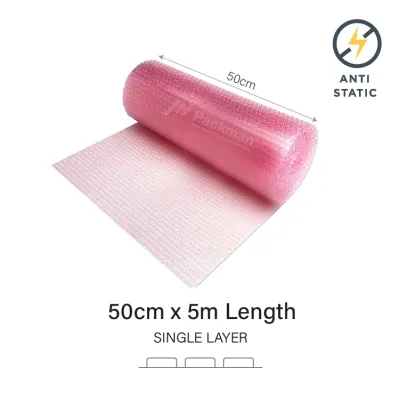
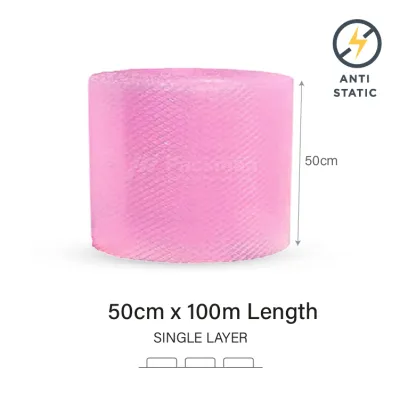
Yes, you should use anti-static bubble wrap when packing sensitive electronic components such as computer motherboards, graphics cards, and internal hard drives. Standard plastic bubble wrap can generate static electricity through friction during transit, which can permanently damage delicate circuitry. Anti-static bulk rolls are treated with an antistatic agent, typically tinted pink for easy identification, to safely dissipate electrostatic charges.

Community discussion
Share your experience or ask a question. Comments are reviewed before publication.