
Purchasing a transit card in Singapore requires careful attention to the source to ensure your daily commute remains uninterrupted and your funds stay secure. To identify the official EZ-Link store and avoid unauthorized sellers, you must rely on verified physical outlets—such as transit ticketing offices, passenger service centres, and designated convenience stores—or official digital storefronts marked with verified brand badges on major e-commerce platforms. Buying from these authorized channels guarantees that your card is genuine, active, and eligible for official customer support, balance transfers, and refund services.
Why Buying from Authorized Channels Matters
Acquiring a reloadable transit card from an unverified source introduces significant financial and operational risks that can disrupt your daily travel. Unauthorized sellers often distribute cards that have been deactivated, blocked, or tampered with, leaving you with an unusable piece of plastic at the transit gantry. If a card is not properly registered or activated through official channels, transit readers will reject it, forcing you to find alternative payment methods immediately.
Furthermore, any stored value on a card purchased from an unauthorized reseller is highly vulnerable to loss. Official consumer protection and refund policies do not extend to transactions made outside the authorized network. If your card malfunctions or is lost, the official issuer cannot verify your ownership or recover your funds without a valid proof of purchase from an authorized retailer. This means any money you top up onto an unverified card could disappear permanently without any recourse.
Products mentioned in this guide

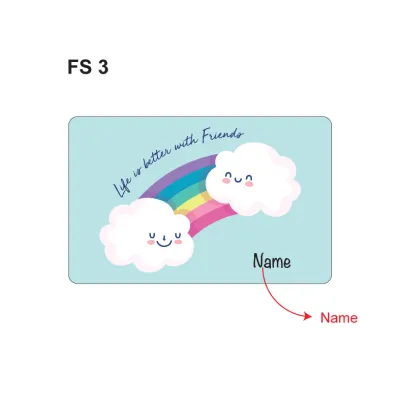
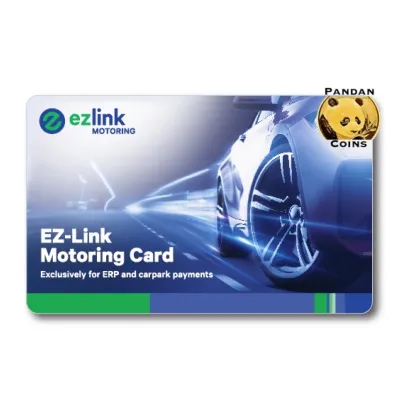
![[Causeway Link] ManjaLink Card - Contactless Payment On Cross Border Yellow Bus (Random Colour)](https://img.lazcdn.com/g/p/abee29112962a2c86a491548770e8cc6.png_400x400q80.png_.webp)
Prices are valid at publication and may change. Please refer to the product page for the latest price.
Lastly, customer support services are strictly limited to cards obtained through official channels. When you encounter technical issues, such as a card that refuses to read at top-up machines or transit gates, customer service representatives require the card’s transaction history and origin to assist you. Cards sourced from unauthorized third parties are often flagged in the system, preventing support staff from processing diagnostics, replacements, or balance transfers.
How to Identify Official EZ-Link Stores and Authorized Retailers
To ensure you are purchasing a legitimate transit card, you should first consult the official issuer’s website to locate the most current list of authorized physical outlets. In Singapore, these physical locations are highly accessible and integrated directly into the public transport infrastructure. Authorized outlets include SimplyGo Ticket Offices, Passenger Service Centres located within MRT stations, and designated convenience store chains that display official partnership decals. Purchasing directly from these staffed counters ensures that your card is brand new, properly initialized, and ready for immediate use.

When shopping online, identifying official digital storefronts requires a careful inspection of the seller’s profile on recognized e-commerce platforms. Official stores are typically designated with specific badges, such as “Mall” or “Preferred” status, and are explicitly named after the official brand. Before adding a card to your digital cart, verify that the seller profile matches the official brand name and check for a verified brand tag. These official online storefronts are managed directly by the issuer or authorized distributors, ensuring that the inventory is authentic and stored under proper conditions.
In physical retail environments, look for official point-of-sale materials and signage that confirm a retailer’s authorized status. Legitimate partners prominently display official logos, decals, and instructional materials provided by the transit card issuer. These signs are usually positioned near the cash register or on dedicated display stands. If a physical store sells transit cards but lacks any official branding, promotional materials, or authorized partner decals, it is highly likely that they are reselling cards without authorization.
When purchasing in person, you can also perform a quick physical check of the card’s material quality. Genuine cards are made of durable, high-grade plastic that does not bend easily or show signs of peeling at the edges. The surface should be completely smooth, allowing it to slide effortlessly into standard card holders, wallets, or protective sleeves. If the card feels unusually flimsy, has rough edges, or does not fit standard card slots, it may be an unauthorized reproduction.
Spotting Unauthorized Sellers and Potentially Invalid Cards
Recognizing the warning signs of unauthorized sellers can save you from purchasing invalid or counterfeit transit cards. Online listings that feature prices significantly below the standard retail price are a primary red flag. Official cards have standardized pricing structures that cover the cost of the card itself and any pre-loaded transit value. If a listing offers cards at suspiciously low prices or promises unrealistic discounts, the seller may be distributing compromised, expired, or counterfeit inventory.
Physical inspection of the card and its packaging can also reveal whether a product is genuine. Official transit cards are manufactured to strict specifications, featuring high-quality, sharp printing, vibrant colors, and precise alignment of logos and text. Counterfeit or tampered cards often exhibit poor print quality, blurry text, off-center graphics, or a rough physical texture. Additionally, check the packaging; official cards are typically sold in sealed, branded packaging that includes clear instructions, terms of use, and a visible serial number that matches the number printed on the card itself.
Buying second-hand or pre-loaded cards from unverified individuals on online marketplaces or classified sites carries extreme risk. These cards may have been reported lost or stolen, leading to immediate blocking by the transit authority. Furthermore, there is no way to verify the actual stored value of a second-hand card prior to purchase without physical testing. Unscrupulous sellers may advertise a high pre-loaded balance, only for you to discover at the transit gantry that the card is empty or blocked, leaving you with no way to contact the seller for a refund.
Another common tactic of unauthorized sellers is offering customized or printed sticker overlays on top of standard transit cards. While some legitimate artistic designs exist, unauthorized sellers often use low-quality adhesive stickers that can peel off inside transit readers or top-up machines, causing mechanical jams. If you notice that the card design is actually a sticker applied over another card, or if the card thickness feels uneven, avoid purchasing it as it may damage transit equipment or be rejected by transit staff.
How to Verify Your EZ-Link Card Authenticity
Once you have purchased a transit card, you can perform several actionable checks to verify its authenticity and functionality before relying on it for travel. The most reliable digital method is to use the official mobile application on an NFC-enabled smartphone. By enabling NFC on your device and tapping the card against the back of your phone, the official app should automatically read the card’s details. If the card is genuine, the app will display the card’s unique serial number, current balance, and transaction history; an invalid or counterfeit card will fail to register or trigger an error message.
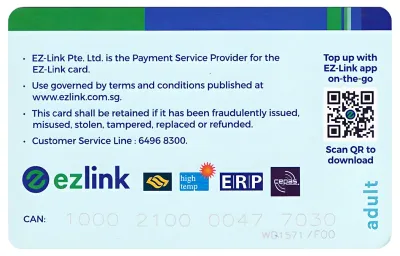
You should also carefully examine the physical security features of the card against the latest guidelines published by the official issuer. Every genuine card features a unique identification number, often referred to as the CAN (Card Access Number), printed clearly on the back. This number should be sharp, evenly spaced, and free from signs of scraping or alteration. Compare the physical dimensions and thickness of the card with a known genuine card; official transit cards must adhere to standard smart card dimensions to fit properly into cardholders, wallets, and transit readers.
Finally, the ultimate test of a card’s validity is its performance at a standard transit gantry or an authorized top-up machine. Before embarking on a long journey, take the card to a passenger service machine or an automated top-up kiosk at any MRT station. Insert or tap the card to check if the machine successfully reads the chip and displays the correct information. If the machine reads the card smoothly and allows you to perform a test top-up, the card is active and safe to use for your daily commute.
What to Do If You Suspect a Counterfeit or Invalid Card
If your verification steps reveal that a transit card is counterfeit, invalid, or blocked, you must take immediate action to protect your finances and assist authorities. Stop using the card immediately; attempting to use a known invalid or tampered card at transit gantries can result in the card being confiscated by station staff, and you may face transit penalties for attempting to travel without a valid fare card. Keep the card in a safe place as physical evidence of the transaction.
Next, contact the seller or the e-commerce platform where you made the purchase to initiate a formal dispute. Most reputable online marketplaces have strict policies against the sale of counterfeit goods and offer buyer protection programs. Provide the platform with clear evidence, including photos of the card’s physical defects, screenshots of the error messages from the official app, and your proof of purchase. Requesting a refund through these official dispute channels is often the fastest way to recover your money from unauthorized sellers.
Additionally, you should report the incident to the official transit card customer service team. Provide them with the card’s serial number, details of where and when you purchased it, and any contact information or listing details of the unauthorized seller. This information helps the issuer track down unauthorized distribution networks and take legal action to protect other consumers. You may also file a report with local consumer protection authorities in Singapore to flag the fraudulent seller for further investigation.
Frequently Asked Questions (FAQ)
Can I use an EZ-Link card bought from an unauthorized online seller?
While some cards purchased from unauthorized online sellers might temporarily work, using them carries a high risk of sudden failure or deactivation. The official issuer regularly monitors card registration and transaction patterns, and any card flagged as being distributed through unauthorized channels can be blocked without prior notice. If your card is blocked, you will lose access to any stored value, and you will not be eligible for a refund or replacement from official customer service.
Do official EZ-Link cards come with a pre-loaded balance?
Official transit cards purchased from authorized physical outlets or official online stores may or may not come with a pre-loaded balance, depending on the specific product type and purchase location. Standard cards sold at transit ticketing offices typically include a small non-refundable card cost alongside a designated amount of travel value. Always check the product description or ask the authorized sales representative to confirm the exact breakdown of the purchase price and the initial stored value.
How can I report a suspicious seller or counterfeit card?
To report a suspicious seller or a counterfeit card, you should contact the official customer support hotline or submit a report through the official issuer’s website. Provide all relevant details, including the seller’s name, online listing links, physical store location, and photos of the suspicious card. You can also file a formal complaint with the Consumers Association of Singapore (CASE) or report fraudulent activity to the police if you suspect criminal scam activity.

Community discussion
Share your experience or ask a question. Comments are reviewed before publication.