
Navigating Singapore’s highly efficient public transport network is a seamless experience, but having the right payment method makes it effortless. Getting an ezlink singapore card is one of the most practical decisions you can make, whether you are a daily commuter, a newly arrived resident, or a visitor exploring the city-state. This contactless smart card operates on the nationwide Contactless e-Purse Application System (CEPAS) standard, allowing you to pay for rides on the Mass Rapid Transit (MRT), Light Rail Transit (LRT), and public buses with a single tap. Beyond public transit, the card serves as a versatile payment tool at thousands of retail outlets, hawker centers, and convenience stores across the island.
Understanding how to acquire, manage, and utilize this card ensures that you can travel across Singapore without friction. In recent years, the integration of the SimplyGo system has expanded how these cards function, offering commuters the choice between traditional card-based ticketing and account-based systems that sync directly with mobile devices. By mastering the purchase process, top-up methods, and payment etiquette, you can maximize the convenience of your daily journeys.
Choose the Right EZ-Link Card for Your Needs
Selecting the ideal card depends heavily on your length of stay, travel frequency, and eligibility for subsidized fares. The standard adult EZ-Link card is the most common option, designed for long-term residents and regular commuters. It is a non-personalized, reusable PVC card that complies with standard credit-card dimensions (CR80), making it easy to slip into any wallet or cardholder. This card is sold over the counter without any prior registration, allowing anyone to purchase and begin using it immediately.
Products mentioned in this guide
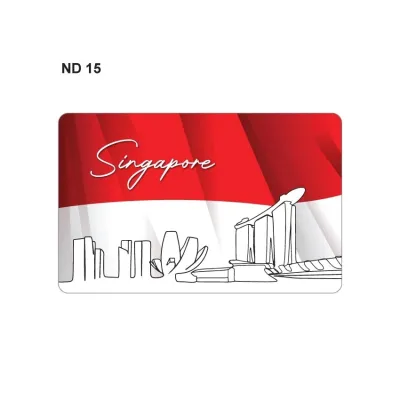
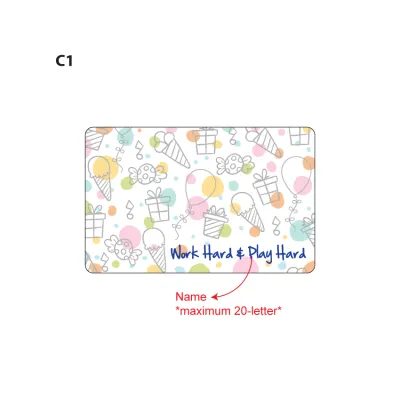
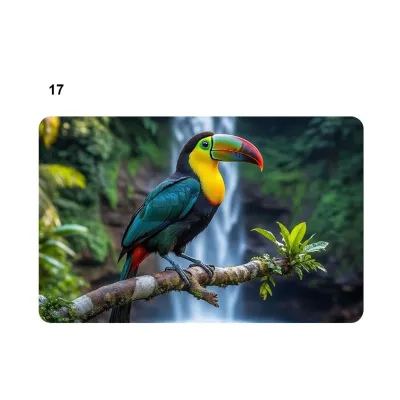
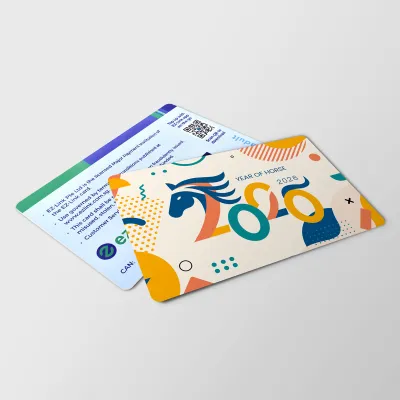
![[🇸🇬 SG SELLER]EZLINK CHARM/ EZ LINK Card customise/ Bus MRT card/ Perfect Gift/KeyChain/phone charms](https://img.lazcdn.com/g/ff/kf/S78fcec50f6d8425fa77e21057b07dcd5I.jpg_400x400q80.jpg_.webp)
Prices are valid at publication and may change. Please refer to the product page for the latest price.
For short-term visitors who plan to travel intensively over a few days, the Singapore Tourist Pass (STP) may be a more cost-effective alternative. This specialized card offers unlimited travel on basic bus services, MRT, and LRT trains for a fixed period of one, two, or three days. Unlike the standard card, which deducts a fare for each individual journey, the tourist pass allows you to explore the island without worrying about running out of stored value. However, it is important to note that tourist passes are generally non-refundable and do not support the same extensive retail payment features as a standard card.
Concession cards are available for specific groups who qualify for discounted transit fares, such as primary and secondary students, senior citizens, national servicemen, and persons with disabilities. These cards are highly personalized, displaying the holder’s photograph and name, and are strictly non-transferable. To obtain a concession card, you must submit an application through the official transit authority portal (SimplyGo) and present valid identification, such as a student pass or NRIC, to verify your eligibility. Because of the registration and verification process, these cards cannot be purchased instantly over the counter.
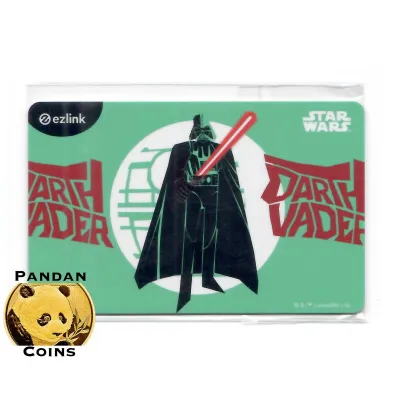
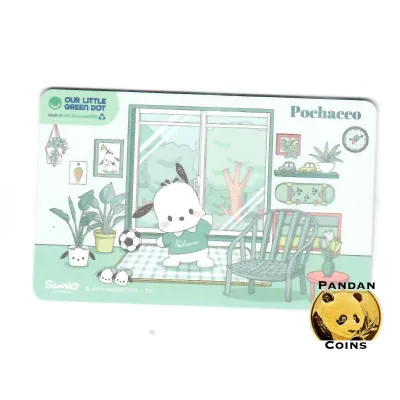
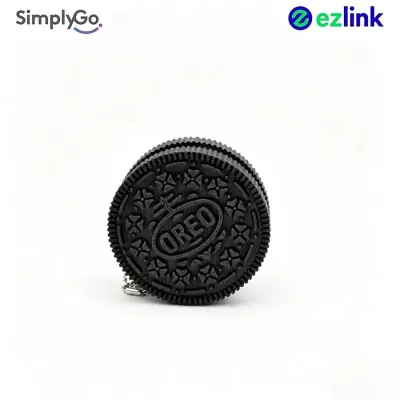
Beyond traditional plastic cards, those looking for a unique or stylish accessory can opt for EZ-Link charms or wearable bands. These compact trinkets utilize the exact same CEPAS contactless chip technology but are housed in decorative keychains, figurines, or silicone wristbands. While they function identically to a standard card at transit gantries and retail terminals, they are sold as novelty items. Consequently, they carry higher, non-refundable issuance fees and typically do not come with any pre-loaded stored value, making them a premium lifestyle choice rather than a budget-friendly transit option.
Where and How to Buy Your EZ-Link Singapore Card
Acquiring your ezlink singapore card is straightforward, with numerous physical and digital sales channels distributed across the country. If you have just arrived in Singapore or are already near a transit hub, the most convenient option is to purchase a card directly at an MRT station. SimplyGo Ticket Offices and Passenger Service Centres, located near the gantry areas of most major stations, stock standard adult cards over the counter. Additionally, automated SimplyGo Kiosks situated within transit stations allow you to purchase cards using local debit or credit cards.

For those who prefer purchasing while running errands, authorized retail outlets offer excellent convenience. Major convenience store chains, such as 7-Eleven and Cheers, sell standard adult cards at their checkout counters across the island. Singapore Post (SingPost) offices also stock these cards, providing another reliable over-the-counter option. When buying from retail outlets, keep in mind that stock levels and card designs can vary, with some stores occasionally offering limited-edition thematic designs.
If you prefer to secure a card before arriving or want to browse exclusive designs, digital and delivery options are widely available. You can order physical cards, customized designs, or collectible charms through the official SimplyGo online portal or official brand storefronts on popular online marketplaces. These online purchases are processed securely and delivered directly to a local residential address, making them an excellent option for residents who want to avoid queues or gift a unique design to a family member.
Regardless of where you purchase your card, it is essential to understand the cost structure. A standard adult card purchased at an MRT station typically costs S$10, which includes a S$5 non-refundable card issuance fee and S$5 of usable stored value. When purchased at convenience stores, the price is often S$10 or S$12, which may include a different ratio of card fee to initial stored value (such as S$5 for the card and S$7 for the credit). Always verify the exact pricing and initial balance at the point of purchase to ensure you have sufficient funds for your first few journeys.
How to Top Up Your EZ-Link Card Balance
Keeping your card topped up is crucial to avoiding disruptions during your daily commute. The most traditional way to add value is by using physical ticketing machines located at all MRT and LRT stations. SimplyGo Kiosks and Ticketing Machines accept a variety of payment methods, including local NETS debit cards, credit cards, and mobile wallets. If you prefer using cash, selected older ticketing machines and passenger service counters still accept physical currency, though the transit network has heavily transitioned toward digital payment methods. You can also top up your card over the counter at convenience stores like 7-Eleven and Cheers, though retail merchants may charge a nominal service fee (typically around S$0.50) per transaction.
When topping up physically, you must observe the system’s financial limits. The minimum top-up amount at station machines is typically S$2 when using local debit cards, while credit card top-ups may require a minimum of S$10. The maximum stored value capacity for any standard CEPAS card is S$500. It is wise to maintain a moderate balance that covers at least a few days of travel, especially since transit gantries require a minimum card balance (usually around S$3) just to initiate a journey.
For ultimate convenience, you can perform online top-ups using an NFC-enabled smartphone and the official SimplyGo mobile application. This method eliminates the need to stand in line at physical kiosks. To complete an online top-up, open the app, select the top-up option, enter your payment details, and physically hold your card against the back of your phone where the NFC antenna is located. The app will write the new balance directly to the card’s physical chip within seconds. This feature is highly reliable, provided your phone’s NFC settings are active and you hold the card steady during the data transfer.
To eliminate the hassle of manual top-ups entirely, you can enroll in the auto-top-up service, known as SimplyGo Auto Top-up (formerly EZ-Reload). By linking your card to a local credit card, debit card, or bank account via the mobile app, the system will automatically inject a pre-defined value (such as S$20 or S$30) into your card the moment its balance falls below S$3 at a transit gantry. This service ensures you never face an insufficient balance error while rushing through a busy station during peak hours.
Using Your Card for Transit and Retail Payments
Using your card on Singapore’s transit network is simple, but adhering to proper tapping etiquette is essential to avoid unnecessary charges. When entering an MRT or LRT station, locate an open gantry and tap your card flat against the designated yellow reader. Wait for the reader to emit a single beep and display a green light before walking through. When you reach your destination station, you must tap out at the exit gantry in the exact same manner. The reader screen will display the precise fare deducted for the journey alongside your remaining card balance.
On public buses, card readers are positioned at both the boarding and alighting doors. You must tap your card on the reader near the front door when boarding the bus, and tap out on the reader near the middle or rear exit doors just before stepping off. Failing to tap out on a bus or at an MRT exit gantry is a common mistake that results in the system charging you the maximum possible fare for that transit route. Furthermore, you must always use the exact same card or mobile device to tap in and tap out of a single journey; mixing devices (such as tapping in with a physical card and tapping out with a phone linked to the same account) will cause the system to record two incomplete trips, resulting in double charges.
Beyond public transit, your card is widely accepted for retail and lifestyle payments across Singapore. You can use it to pay for purchases at supermarkets like FairPrice and Cold Storage, convenience stores, fast-food outlets, vending machines, and hundreds of stalls in local food courts and hawker centers. To make a payment, simply inform the cashier that you wish to pay using “EZ-Link” or “SimplyGo” before tapping your card on the merchant’s payment terminal. The transaction is instantaneous and does not require a PIN or signature.
While retail integration is highly convenient, there are a few limitations to keep in mind. Some smaller merchants or hawker stalls may enforce a minimum spend requirement (such as S$2 or S$5) to process card payments due to transaction processing costs. Additionally, transit cards cannot be used to purchase restricted items, such as lottery tickets, tobacco products, or to settle specific government bills. Always look for the official acceptance decals at the storefront or ask the cashier if you are unsure about payment compatibility.
Managing Balances, Replacements, and Refunds
Keeping track of your card’s financial status is easy thanks to Singapore’s integrated digital services. By downloading the official SimplyGo mobile app and registering your card’s unique 16-digit CAN (Card Access Number) printed on the back, you can view your real-time balance, monitor your transaction history, and track individual transit fares. If you prefer not to use an app, you can check your balance instantly by placing your card on any physical ticketing machine at an MRT station or by observing the reader screen when passing through transit gantries.
If you are leaving Singapore permanently or simply wish to consolidate your cards, you can obtain a refund of any remaining stored value. To do this, present your card at any SimplyGo Ticket Office located at major MRT stations. The customer service officer will process the refund immediately, returning the remaining cash balance to you. It is important to remember that the initial S$5 card issuance fee paid when purchasing the card is strictly non-refundable, and the physical card may be retained or deactivated by the transit authority once a full refund is processed.
In the event that your card becomes physically damaged, demagnetized, or fails to read at transit gantries, you should visit a SimplyGo Ticket Office for assistance. The customer service staff can test the card’s physical chip to determine if it is faulty. If the card is unreadable due to normal wear and tear, they can facilitate a balance transfer to a new card. However, if the damage is due to user neglect (such as bending or snapping the card), you will need to purchase a replacement card, and a standard replacement fee may apply to transfer the remaining funds.
Frequently Asked Questions (FAQ)
Can I use my overseas contactless credit card instead of an EZ-Link card?
Yes, Singapore’s public transit system supports SimplyGo, which allows commuters to tap in and out at MRT gantries and bus readers using contactless bank cards. This includes overseas-issued Mastercard and Visa credit or debit cards, as well as mobile wallets linked to Apple Pay, Google Pay, or Samsung Pay. While this eliminates the need to buy a local transit card, you should check with your foreign bank regarding international transaction fees or administrative charges that may be levied for daily transit transactions. Additionally, physical EZ-Link cards remain highly useful for retail payments at local hawker centers and for obtaining student or senior transit concessions.
What happens if my card has insufficient balance at the exit gantry?
If your card’s balance falls below the minimum required fare when you attempt to exit an MRT station, the gantry screen will display an error message, the barrier gates will remain closed, and a red light will flash. To resolve this, step out of the commuter flow and proceed to the physical ticketing machines located near the gantry lines. You can quickly top up your card at these machines using a debit card, credit card, or cash, and then return to the gantry to tap out successfully. Alternatively, you can approach the Passenger Service Centre near the gates, where a staff member can assist you in resolving the fare discrepancy.
Does the physical EZ-Link card expire?
Yes, physical EZ-Link cards have a validity period of five years from the date of manufacture. Once a card reaches its expiry date, it can no longer be used for transit or retail payments. You can easily check your card’s expiry date using the SimplyGo mobile app, at any MRT ticketing machine, or by asking a customer service officer at a Ticket Office. If your card is expiring or has recently expired, you can purchase a new card at a subsidized rate during official transition campaigns and have your remaining stored balance transferred directly to the new card.

Community discussion
Share your experience or ask a question. Comments are reviewed before publication.