
Evaluating the quality of flannel fabric requires looking beyond its initial softness to understand the technical specifications that dictate its performance. Whether you are sewing apparel, crafting home textiles, or selecting bedding, the longevity and comfort of your project depend on three primary factors: fabric weight, weave construction, and the quality of the brush finish. By learning how to interpret these specifications, you can confidently choose a material that matches your specific needs.
In Singapore’s warm climate, fabric selection requires a thoughtful approach to weight and breathability. While heavy flannel is ideal for air-conditioned spaces or travel garments, lighter variants offer the classic soft texture of flannel without trapping excessive heat. Understanding how these elements interact ensures your finished projects remain comfortable and durable over time.
Decoding Flannel Fabric Weight and Density Labels
Fabric weight is one of the most reliable indicators of how a flannel fabric will drape, feel, and insulate. When browsing fabric bolts or online listings, you will typically see weight measured in grams per square meter (GSM) or ounces per square yard (oz/yd²). These numbers tell you how much fiber is packed into a specific area, directly influencing the fabric’s thickness and density.
Products mentioned in this guide
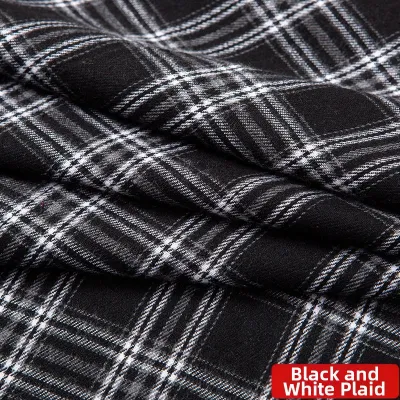
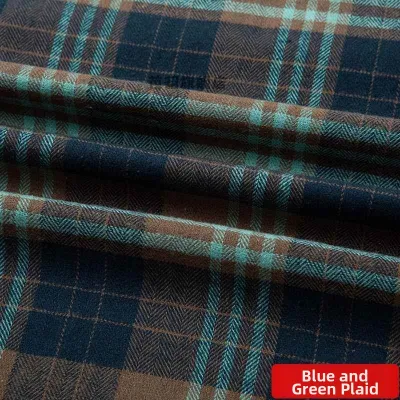
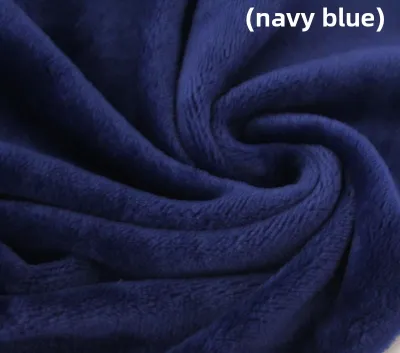
Prices are valid at publication and may change. Please refer to the product page for the latest price.
Lightweight flannel fabrics generally fall between 120 and 150 GSM. These lighter options are highly breathable and flexible, making them excellent choices for shirts, lightweight pajamas, and garment linings. They provide the characteristic soft feel of flannel without adding excessive bulk or trapping too much warmth, which is particularly beneficial for tropical climates or layering.
Medium to heavyweight flannels range from 170 to over 240 GSM. These fabrics are noticeably thicker, sturdier, and more insulating. They are best suited for structured outerwear, cozy blankets, throw pillows, and heavy-duty lounge wear. Choosing a weight that is too heavy for a garment can result in a stiff, uncomfortable fit, while choosing a fabric that is too light for a blanket can lead to premature wear.
When shopping online, look for explicit GSM or ounce weight specifications. If this information is missing, look for descriptive terms like “lightweight shirting” or “heavyweight utility” as initial clues, or contact the seller directly to ask for the exact weight specifications to avoid purchasing an unsuitable fabric.
Comparing Weave Types for Durability and Texture
The underlying weave structure of flannel fabric plays a critical role in its overall durability, texture, and resistance to wear. Flannel is typically woven using either a plain weave or a twill weave pattern. Each construction method offers distinct physical characteristics that affect how the fabric behaves during sewing and daily use.

Plain weave flannel is constructed using a simple, alternating over-and-under pattern of threads. This classic structure results in a flat, uniform surface that is highly breathable and easy to cut and sew. Plain weave flannels are often lighter and more affordable, making them popular for casual apparel and quick crafting projects.
Twill weave flannel is easily identified by the diagonal ribbing pattern on its surface, created by weaving threads over multiple cross-threads. This construction method allows for a tighter, denser pack of yarns, resulting in a heavier and more durable fabric. Twill flannel is highly resistant to tearing and abrasion, making it the traditional choice for rugged work shirts and long-lasting bedding.
The tightness of the weave also directly influences how well the fabric resists pilling and shedding. A loose weave allows individual fibers to escape and rub together during wear and washing, leading to the rapid formation of fiber balls. A tight, uniform weave keeps the fibers locked in place, ensuring the fabric maintains its smooth, clean appearance over years of use.
Evaluating Brush Finish: Single vs. Double Brushed
The signature fuzzy texture of flannel fabric is achieved through a mechanical process called brushing. Metal brushes gently lift the loose fiber ends from the woven yarns to create a soft, insulating nap. How this brushing is executed determines the fabric’s tactile comfort, warmth, and how much it will shed.
Single-brushed flannel has been treated on only one side, leaving the reverse side smooth and unbrushed. This style is highly practical for lined garments, where only the exterior needs to showcase the classic flannel look, or for projects where you want to minimize bulk against the skin. It allows the fabric to retain a cleaner drape while still offering a soft touch on the face of the material.
Double-brushed flannel undergoes the brushing process on both the front and back sides of the fabric. This results in an incredibly soft, plush texture on both sides, maximizing the fabric’s ability to trap air and provide insulation. Double-brushed flannel is a highly popular choice for cozy bedding, reversible blankets, and high-end loungewear where comfort on both sides of the fabric is essential.
To evaluate the quality of the brush finish in person, run your hand across the surface of the fabric. A high-quality brush finish should feel consistently velvety and smooth, without any bald patches, clumping, or uneven thin spots. If the fibers look excessively pulled, fuzzy, or loose, the fabric may have been over-brushed, which weakens the underlying yarns and leads to premature wear.
The quality of the brushing process also dictates how much the fabric will lint. While all brushed fabrics release some loose fibers during the first few washes, poorly brushed flannel sheds excessively, which thins the material and reduces its lifespan.
In-Store and Online Inspection Checklist
Before committing to a purchase, conducting a few simple quality checks can save you time and prevent project disappointment. If you are shopping in a physical store, start by holding a single layer of the flannel fabric up to a bright light source. A high-quality, tightly woven flannel will block most of the light, whereas a low-quality, loosely woven fabric will reveal uneven gaps and pinpricks of light.
Next, perform a quick stretch and recovery test. Gently pull the fabric along the grain and then diagonally along the bias. High-quality woven flannel should offer minimal stretch along the grain and should immediately snap back to its original shape without leaving distorted, wavy edges or loose, stretched-out sections.
You can also test for surface friction and shedding by gently rubbing a corner of the fabric against itself. If fibers immediately begin to clump, shed, or transfer onto your fingers, the fabric is highly prone to pilling and may not hold up well to regular washing.
When purchasing flannel fabric from an online marketplace, you must rely on written specifications and seller transparency. Look for detailed listings that specify the fiber content—100% cotton is highly recommended for breathability and comfort, though cotton-polyester blends can offer increased wrinkle resistance. Verify the GSM weight and check customer reviews for mentions of softness, shrinkage, and colorfastness.
Be on the lookout for quality warning signs that indicate substandard manufacturing. Avoid fabrics that exhibit strong chemical odors, uneven dye patterns, patchy brushing, or loosely finished selvages, which suggest the fabric may shrink excessively or fray during sewing.
Frequently Asked Questions (FAQ)
Does a higher weight always mean better quality flannel fabric?
No, a higher fabric weight does not automatically guarantee better quality; rather, it indicates different suitability for specific projects. A heavy 240 GSM flannel is excellent for a warm winter blanket but would be too stiff, heavy, and hot for a casual summer shirt. For apparel, a lighter, high-quality 130 GSM flannel often provides a much better drape, breathability, and comfort while still maintaining excellent durability.
How can I minimize pilling and linting on brushed flannel?
To minimize pilling and preserve the soft texture of your flannel fabric, always consult the manufacturer’s care instructions first. As a general rule, wash flannel items inside out on a gentle cycle using cold water and a mild detergent. Avoid using fabric softeners, which can coat the fibers and cause them to clump, and line dry your items or tumble dry them on a low-heat setting to prevent friction damage.

Community discussion
Share your experience or ask a question. Comments are reviewed before publication.