
Selecting the right bubbles wrap brand in Singapore requires looking beyond the surface of simple plastic packaging. To ensure your items survive transit undamaged, you must evaluate key quality indicators: bubble diameter, film thickness (measured in microns), air retention technology (barrier versus non-barrier films), and brand transparency regarding material specifications. Additionally, balancing your S$ budget between bulk rolls and pre-cut sheets is essential for cost-effective shipping. This guide provides a comprehensive framework to assess these factors, helping you choose a reliable brand that matches your specific packaging demands.
Understanding Bubble Wrap Types and Their Best Uses
Bubble wrap is not a one-size-fits-all product; its protective capability depends heavily on its structural design. The most common distinction lies in bubble size, which dictates how the material distributes weight and absorbs impact. Choosing the wrong size can lead to inadequate protection or unnecessary bulk in your shipping boxes.
Small Bubble Wrap (10mm diameter, 4mm height) Small bubbles wrap options are highly suited for surface protection, scratch prevention, and wrapping lightweight, delicate items like cosmetics, small glassware, or books. Because the bubbles are densely packed, they distribute light pressure evenly across the surface of the item, preventing abrasions during handling.
Products mentioned in this guide
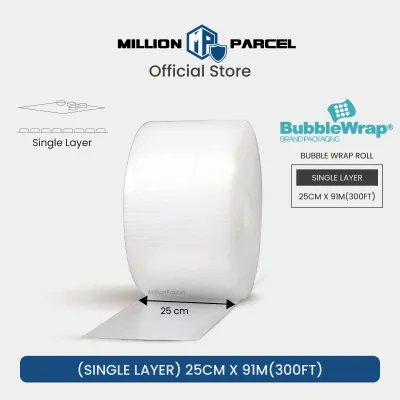
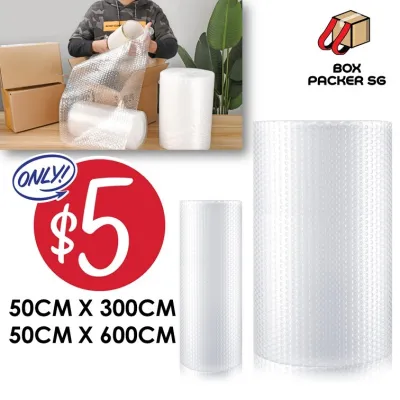
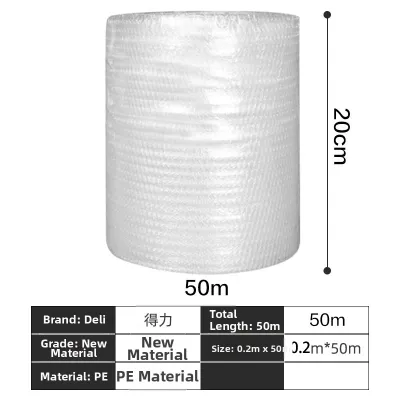
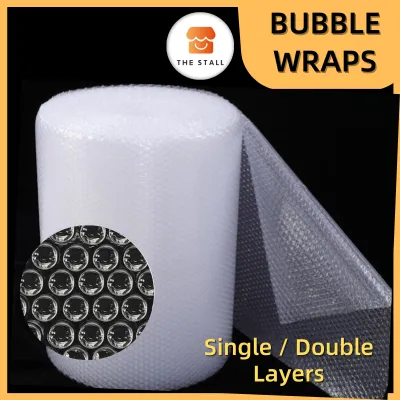
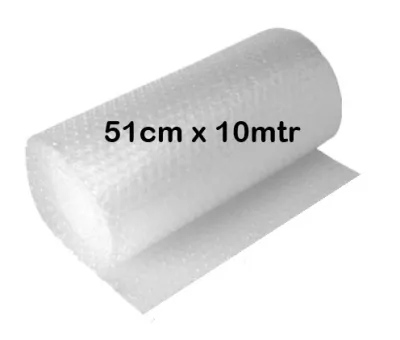
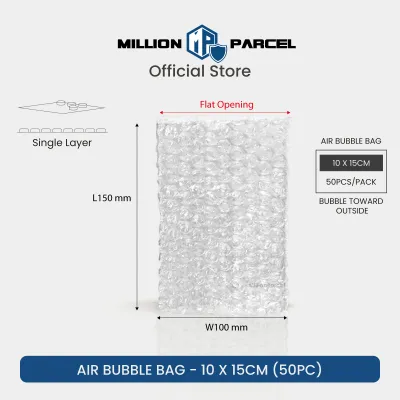
Prices are valid at publication and may change. Please refer to the product page for the latest price.
Large Bubble Wrap (25mm to 32mm diameter, 9mm to 12mm height) Large bubbles wrap variants are designed primarily for shock absorption and void filling. When shipping heavier or highly fragile items like electronics, large ceramics, or small furniture, the larger volume of air in each bubble provides a thicker cushion against heavy impacts. These large bubbles absorb the kinetic energy generated when a package is dropped or shifted during transit, preventing the force from reaching the enclosed item.
Anti-Static Bubble Wrap For specialized applications, anti-static bubble wrap is indispensable. Typically tinted pink, this variant is treated with an antistatic agent that prevents electrostatic discharge (ESD). When shipping sensitive electronic components such as computer processors, graphics cards, or circuit boards, standard plastic can generate static electricity through friction during movement. Anti-static wrap dissipates this charge, protecting sensitive circuitry from invisible but catastrophic electrical damage.
Cohesive and Paper-Backed Variants Other innovative structural variants include cohesive and paper-backed bubble wraps. Cohesive bubble wrap features a specialized coating that allows the plastic to stick only to itself, eliminating the need for packing tape and speeding up the packing process. Paper-backed bubble wrap combines a layer of plastic bubbles with a heavy-duty kraft paper backing. This hybrid design offers excellent surface protection for polished wood or metal items, as the paper layer absorbs moisture and prevents the plastic from sticking to or marking delicate finishes under warm conditions.
Essential Quality Checks Before You Buy
Before committing to a large purchase of bubbles wrap, performing physical quality checks on sample rolls can save your business from costly shipping damages. Puncture resistance is the first critical metric to evaluate. You can test this by firmly pressing your thumb against an inflated bubble; a high-quality film should stretch and resist popping under moderate pressure. If the plastic punctures easily or the seams between the bubbles split with minimal force, the film is likely too thin or made from low-grade resins.

Seam sealing strength along the edges of the bubbles is equally vital. When a package is stacked under heavier boxes, the air inside the bubbles is compressed. If the heat seals around each bubble are weak, the air will escape into the surrounding film, causing the bubbles to flatten and rendering the wrap useless. Inspect the edges of the roll to ensure the lamination between the flat backing sheet and the bubbled sheet is uniform and free from separation.
Consistent bubble inflation and film clarity are clear indicators of manufacturing quality. Unroll a few meters of the wrap and hold it up to the light. Look for flat zones where bubbles are flat, under-inflated, or completely missing. High-quality virgin LDPE (Low-Density Polyethylene) typically exhibits excellent clarity and a smooth texture. If the film appears excessively cloudy, yellowed, or has a rough, gritty texture, it may contain a high percentage of unrefined recycled materials, which can compromise its structural integrity.
Understanding the difference between barrier and non-barrier bubble wrap is crucial for long-term storage or extended transit times. Standard non-barrier bubble wrap is made entirely of polyethylene, which is naturally porous to air; over time, the air slowly diffuses through the plastic, causing the bubbles to deflate. High-performance barrier bubble wrap incorporates a thin co-extruded layer of nylon or ethyl vinyl alcohol (EVOH) between the polyethylene layers. This barrier prevents air transmission, ensuring the bubbles remain fully inflated even under constant load for months.
Finally, evaluate the quality of the perforations if you are using pre-cut rolls. Perforations should be deep and consistent enough to allow you to tear off sheets quickly with one hand, yet strong enough that the roll does not tear prematurely while being pulled from a dispenser. If the perforations are poorly cut, you will end up stretching the plastic and popping bubbles as you struggle to tear a sheet, leading to material waste and slower packing speeds.
Evaluating Brand Reliability and Packaging Standards
Evaluating brand reliability requires looking past generic marketing claims and focusing on verifiable technical specifications. Reputable brands provide detailed product labels that state the exact width, length, and film thickness (often measured in microns or gauge). Avoid brands that use vague descriptors like “super strong” or “extra thick” without providing numerical measurements. Knowing the exact micron thickness allows you to make objective comparisons between different suppliers and calculate the true cost-effectiveness of each roll.
Roll consistency and winding quality are practical indicators of a brand’s manufacturing standards. A reliable brand ensures that the bubble wrap is wound tightly and evenly onto a sturdy cardboard core. If the core is flimsy or crushed during shipping, mounting the roll on a packing dispenser becomes difficult or impossible. Furthermore, unevenly wound rolls—where the edges telescope outward—can cause the film to feed unevenly, leading to wrinkles, tears, and frustration during high-speed packing operations.
Customer support and return policies for defective batches are essential considerations for businesses relying on a steady supply of packaging materials. Even high-quality manufacturers occasionally produce a bad run with flat bubbles or misaligned perforations. A reliable brand will have clear, responsive customer service channels and a straightforward replacement policy for defective rolls. Testing a supplier’s responsiveness with a small initial order or a technical inquiry can give you valuable insight into their reliability before you commit to bulk purchases.
For businesses aiming to reduce their environmental footprint, evaluating eco-friendly claims is a necessary step. Many brands offer green-tinted bubble wrap marketed as “recycled” or “biodegradable.” To verify these claims, look for specific certifications or clear labeling indicating the exact percentage of post-consumer recycled (PCR) content. Truly sustainable brands will provide documentation showing that their products meet recognized environmental standards, ensuring you are not paying a premium for greenwashed packaging that fails to deliver on its ecological promises.
Matching Bubble Wrap to Your Specific Shipping Needs
Selecting the right bubbles wrap also depends on matching the material properties to the specific items you ship and the environmental conditions they will encounter. High-fragility items, such as delicate glassware, porcelain, or intricate artwork, require a multi-layered protection strategy. Start with a layer of small bubbles wrap to protect the surface from scratches, followed by several layers of large bubbles wrap to act as a shock-absorbing buffer. This combination ensures that both surface friction and heavy impacts are mitigated.
Heavy or sharp-edged objects, such as metal tools, industrial parts, or heavy books, present a different challenge. Standard bubble wrap can easily puncture when pressed against sharp corners or heavy edges. For these items, look for heavy-duty grades with high micron thickness, or consider double-layered bubble wrap where the bubbles are protected on both sides by flat plastic sheets. This added puncture resistance prevents the bubbles from popping when the item shifts inside the shipping box.
Shipping within and from Singapore requires accounting for the local tropical climate. High humidity and elevated temperatures can affect both the packaging materials and the items inside. Standard LDPE bubble wrap is highly moisture-resistant, making it excellent for protecting goods from tropical downpours during transit. However, if moisture is trapped inside the wrap during packing, it can cause condensation and damage sensitive items like electronics or leather goods. To prevent this, ensure your packing area is climate-controlled, and consider adding silica gel desiccant packs inside the wrapped items.
Proper storage of your bubble wrap rolls is equally important in Singapore’s climate. Store your rolls in a cool, dry warehouse or storage room away from direct sunlight. Prolonged exposure to UV rays and high heat can degrade the polyethylene, making the plastic brittle and prone to tearing, while also weakening the air retention of the bubbles. For high-volume e-commerce operations where speed is paramount, investing in cohesive bubble wrap or pre-perforated rolls stored in accessible dispenser boxes can significantly reduce packing times and labor costs.
Frequently Asked Questions (FAQ)
Does the color of the bubble wrap indicate its quality or purpose?
Yes, color is often used as a functional indicator, though it does not guarantee quality on its own. Pink bubble wrap is universally recognized as anti-static, containing additives that prevent electrostatic discharge. Green bubble wrap typically signifies that the product contains recycled content or is designed to be more environmentally friendly. Clear bubble wrap is the standard for general-purpose packaging. Always verify the manufacturer’s specification sheet to confirm these properties, as color dyes can be added to any standard plastic without changing its physical performance.
How can I verify if a bubble wrap brand is truly anti-static?
To verify anti-static claims, start by checking the product label or manufacturer’s specification sheet for compliance with recognized ESD (Electrostatic Discharge) standards. A simple, observable test you can perform involves rubbing a piece of the pink bubble wrap against your clothing and then holding it near small pieces of paper or dust. If the plastic immediately attracts the dust or paper, it lacks effective anti-static properties. For critical electronic shipping, always rely on documented brand specifications and certifications rather than visual color cues alone.
Is recycled bubble wrap as durable as virgin plastic options?
Recycled bubble wrap can offer excellent protection, but there are some trade-offs to consider. Plastic made from recycled resins may have slightly lower puncture resistance and shorter air retention times compared to virgin LDPE. However, for most standard shipping needs and short transit times, high-quality recycled wrap performs exceptionally well. To ensure it meets your durability requirements, check the manufacturer’s specifications for film thickness (microns) and opt for brands that specify a controlled blend of recycled and virgin materials to maintain structural strength.

Community discussion
Share your experience or ask a question. Comments are reviewed before publication.