
Finding the strongest magnetic strips for office document organization is not a matter of choosing a single universal brand, but rather matching the specific magnetic material and adhesive backing to your office surfaces and paper loads. While many brands on ecommerce platforms advertise high holding power, these claims are often based on ideal laboratory conditions. To secure heavy documents, laminated charts, or multi-page reports, you must evaluate technical specifications like pull force, pole configuration, and adhesive quality. This guide outlines how to compare these specifications, calculate your document weight requirements, and test magnetic strips in your workspace to ensure a reliable hold.
Understanding Magnetic Holding Strength for Office Use
Pull force is the standard metric used to measure a magnet’s strength, representing the amount of weight required to pull a magnet vertically away from a flat steel plate. In an office setting, however, magnets are usually subjected to shear force (sliding force) because they hold documents vertically on whiteboards or filing cabinets. Shear force is typically only 15% to 20% of the rated pull force. This means a magnetic strip rated for a 1 kg pull force might slide down a cabinet when holding a document package weighing more than 150 to 200 grams.
Flexible magnetic strips are made of a mixture of ferrite magnetic powder and synthetic rubber binder. These are highly flexible, easy to cut with scissors, but have relatively low magnetic energy. They are ideal for holding single sheets of paper or lightweight cards. In contrast, rigid magnetic strips or strips utilizing neodymium (rare earth) magnets offer significantly higher magnetic energy. Neodymium strips provide a much stronger hold per square centimetre, making them suitable for thick stacks of paper, heavy cardstock, or laminated materials.
Products mentioned in this guide
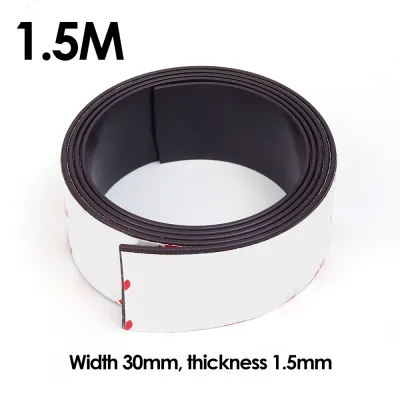
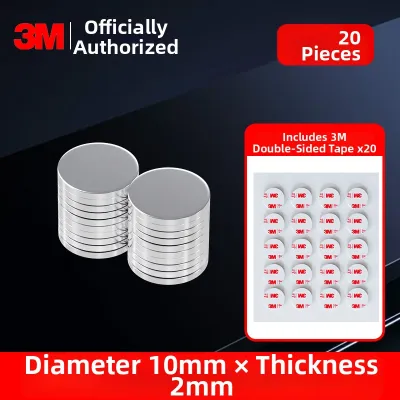
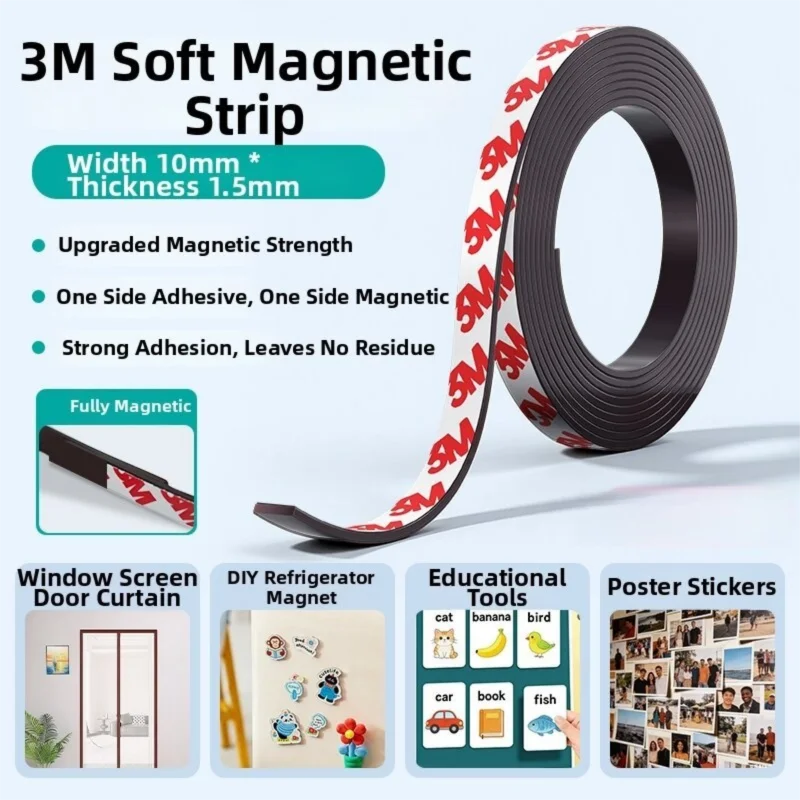
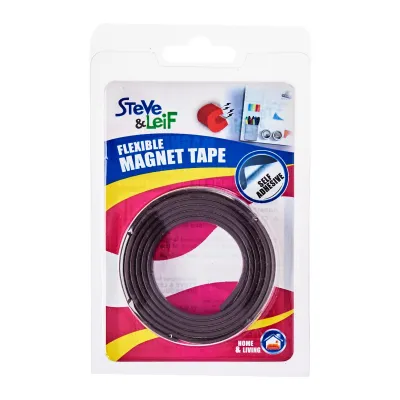
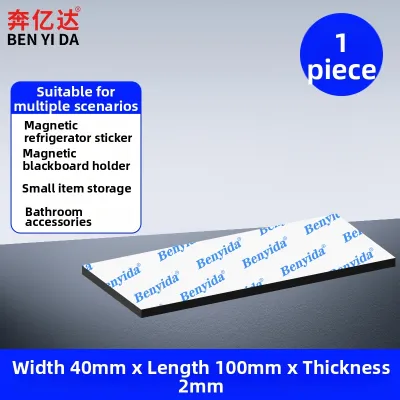
Prices are valid at publication and may change. Please refer to the product page for the latest price.
The surface you attach the magnet to plays a critical role. Standard office filing cabinets and steel whiteboards are often made of thin-gauge steel covered with a thick layer of powder coating or paint. This paint layer acts as an air gap, drastically reducing the magnetic flux. If the steel backing is thin, it cannot absorb all the magnetic lines of force, further reducing the holding power. Consequently, a strip that holds firmly on a thick steel beam may slide easily on a painted office partition.
Key Specifications to Compare Across Magnetic Strip Brands
When browsing options on online marketplaces, look for manufacturers that explicitly state the pull force per linear centimetre or inch. Be aware that these ratings are established under perfect laboratory conditions: using a thick, polished steel plate with direct perpendicular pull. In a real office, expect the actual holding power to be a fraction of this rating due to paint, surface texture, and the sliding force of gravity.

The physical dimensions of the strip—specifically its width and thickness—directly influence its magnetic volume and strength. Thicker strips generally hold better than thinner ones. Furthermore, flexible magnetic strips are magnetized in a multi-pole configuration, meaning north and south poles alternate in stripes across the face of the magnet. This configuration concentrates the magnetic force close to the surface, which is excellent for direct contact with steel but has very little reach. Single-pole magnets project their magnetic field further, which is necessary if there is a thick barrier between the magnet and the metal surface.
Many magnetic strips feature an adhesive backing so you can stick them to non-magnetic items like plastic folders, wooden signs, or acrylic frames. The adhesive layer is often the weakest link in the system. If the adhesive fails, the magnet remains stuck to the metal cabinet while your document falls to the floor. When comparing brands, check for specifications indicating industrial-grade acrylic or rubber-based adhesives. Acrylic adhesives offer excellent resistance to temperature fluctuations and UV light, making them suitable for long-term office use, whereas rubber-based adhesives provide a quick initial bond but may degrade faster in warm or humid environments.
Matching Magnetic Strips to Your Document Setup
To choose the right strip, estimate the weight of the documents you intend to organize. A standard sheet of 80 gsm A4 paper weighs approximately 5 grams. A stack of 20 sheets weighs 100 grams. If you are using a flexible magnetic strip with a low shear force resistance, you will need a much longer strip or multiple strips to distribute the weight. For heavy laminated charts or thick reference manuals, standard flexible strips are insufficient; you will require heavy-duty neodymium magnetic strips or magnetic clips.
Standard steel filing cabinets and magnetic whiteboards are highly receptive to flexible magnetic strips. However, modern offices often feature magnetic glass whiteboards. These boards have a sheet of tempered glass (typically 4mm to 6mm thick) placed over a steel backing plate. The glass acts as a massive air gap. Standard flexible magnetic strips will not work on glass boards because their magnetic field cannot penetrate the glass. For glass whiteboards, you must use high-power neodymium magnetic strips specifically rated for glass surfaces.
Consider the climate of your office. In tropical climates like Singapore, high humidity and ambient temperatures can soften adhesive backings over time, leading to sliding or peeling. If your office air conditioning is turned off over weekends, the temperature rise can accelerate adhesive degradation. Choosing magnetic strips with high-temperature acrylic adhesive backings ensures the strips remain securely attached to your documents or organizer boards regardless of environmental shifts.
How to Test and Verify Holding Power Before Full Deployment
Before purchasing a large quantity of magnetic strips for the entire office, buy a small sample to perform a slide test. Apply the magnetic strip to your target office surface (such as a whiteboard or filing cabinet). Place a representative stack of documents beneath the magnet and observe if it slides downward. If the magnet slides even slightly, you must either increase the surface area of the magnetic strip, switch to a thicker strip, or opt for a stronger magnetic material.
If you are using self-adhesive magnetic strips, proper installation is vital for a long-lasting bond. Clean the target surface thoroughly with isopropyl alcohol to remove dust and finger oils. Apply the adhesive side of the strip with firm, even pressure. Crucially, allow the adhesive to cure without any load. Most industrial adhesives require 24 to 72 hours to reach their maximum bonding strength. Loading the magnet with heavy documents immediately after application is a primary cause of adhesive failure.
When it is time to reorganize or relocate, removing adhesive-backed strips requires care to avoid damaging office furniture or leaving sticky residue. Gently peel the strip from one corner. If the adhesive is stubborn, use a plastic scraper or a mild adhesive remover. Always test the adhesive remover on an inconspicuous area of the furniture first, or consult the furniture manufacturer’s guidelines to ensure the chemical will not strip the paint, laminate, or veneer finish.
Decision Framework: Choosing the Right Magnetic Strip
To simplify your purchasing decision, follow these condition-based rules:
- Select heavy-duty neodymium magnetic strips if you are organizing thick files, heavy laminated charts, or if you are mounting items onto magnetic glass whiteboards. These provide the intense magnetic field required to bridge air gaps and support substantial weight.
- Select flexible ceramic or ferrite magnetic strips with high-quality adhesive backings for lightweight, single-page notices, labels, or signs on standard steel cabinets and traditional whiteboards. These are cost-effective, easy to cut to size, and highly versatile.
- Always verify that your target surface is actually magnetic before purchasing. Some modern office partitions and whiteboards are made of aluminum or non-magnetic glass, which will not attract magnets. Additionally, check your office furniture warranty regarding the use of strong adhesives to prevent accidental damage and voided terms.
Frequently Asked Questions (FAQ)
Can I use standard magnetic strips on magnetic glass whiteboards?
No, standard flexible magnetic strips are not suitable for magnetic glass whiteboards. Glass whiteboards have a thick layer of tempered glass over a steel backing, creating a significant gap that standard flexible magnets cannot penetrate. To hold documents on a glass board, you must use specialized, high-strength neodymium magnetic strips or magnets designed specifically for glass surfaces.
Will strong magnetic strips damage office electronics or ID cards?
High-strength neodymium magnetic strips can damage items that rely on magnetic data storage, such as magnetic stripe ID cards, credit cards, and older floppy disks. They can also interfere with sensitive medical devices like pacemakers. However, modern office electronics, including solid-state drives (SSDs), smartphones, and laptops, are generally not affected by standard magnetic strips, though it is still best practice to keep strong magnets away from sensitive electronic components to prevent any potential interference.

Community discussion
Share your experience or ask a question. Comments are reviewed before publication.