
Choosing a strong magnetic strip for your desk or DIY stationery projects requires balancing magnetic pull force, adhesive reliability, and surface compatibility. In warm, humid climates like Singapore’s, standard adhesives can degrade quickly, making it essential to select the right mounting method and magnetic material. Whether you are hanging heavy steel scissors, organizing metal rulers, or building custom memo boards, understanding the physical properties of different magnetic strips ensures your tools stay securely in place without damaging your workspace.
To achieve a clutter-free desk, you must match the weight of your stationery items with the correct class of magnet. A common mistake is assuming all magnetic strips behave the same way; however, factors like shear force, surface texture, and the specific metal alloys in your stationery heavily influence performance. By evaluating these technical specifications before purchasing, you can design an efficient, reliable, and safe organizational system tailored to your creative or professional workspace.
Types of Magnetic Strips for Desk and Stationery Use
Adhesive-Backed Rigid Strips
Adhesive-backed rigid strips are typically made of extruded plastic or hard rubber impregnated with high-density magnetic powders, such as strontium ferrite or neodymium. These strips are designed to remain perfectly flat and are backed with a heavy-duty, pressure-sensitive adhesive layer. They are highly effective when mounted on smooth, non-porous surfaces like sealed laminate, glass, or metal desk frames. Because they do not bend, they provide a highly stable platform for holding medium-weight metal tools, such as utility knives, metal rulers, and heavy-duty staplers, without bowing or peeling away from the wall over time.
Products mentioned in this guide
Prices are valid at publication and may change. Please refer to the product page for the latest price.
Screw-Mounted Metal Channels with Magnets
For heavy-duty applications, screw-mounted metal channels housing individual block magnets offer the highest level of security. The steel channel plays a critical role: it physically protects the brittle magnets inside and redirects the magnetic flux to the front face, significantly multiplying the overall holding power. These systems bypass adhesive limitations entirely by securing directly into wooden studs, drywall anchors, or solid wood desk panels. This makes them the ideal choice for high-traffic areas or for holding heavy, sharp tools like professional shears and rotary cutters that could cause injury if they fell.
Flexible Magnetic Tape and Rolls
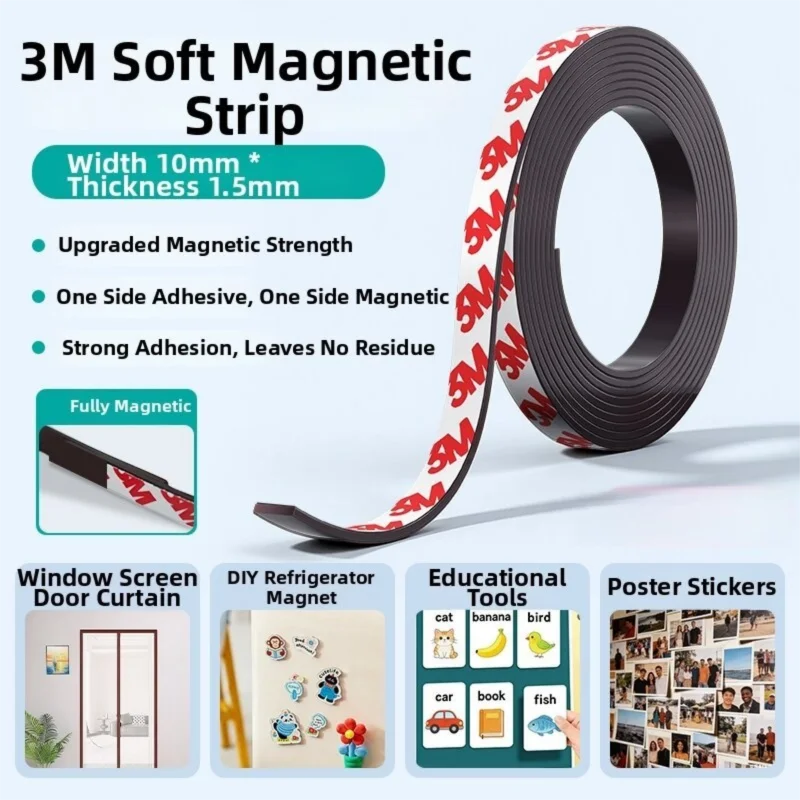
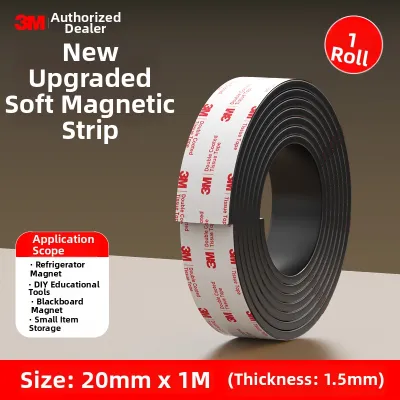
Flexible magnetic tape is composed of a pliable polymer matrix mixed with magnetic particles, packaged in a convenient roll. This material is thin, lightweight, and can be easily cut to custom lengths using standard office scissors or a utility knife. While its magnetic pull force is significantly lower than that of rigid or channel-mounted magnets, it is highly versatile for lightweight DIY projects. It is best used for attaching paper memos, photos, and lightweight plastic stationery items to magnetic whiteboards, or for creating custom magnetic bookmarks and lightweight closure mechanisms for handmade journals.
Bare Neodymium Strip Magnets
Bare neodymium strip magnets are sintered blocks made from an alloy of neodymium, iron, and boron (NdFeB). They represent the strongest class of permanent magnets commercially available. These strips do not come with pre-applied adhesive or protective channels, meaning they are typically reserved for advanced DIY craft projects and custom furniture building. Makers often embed these low-profile magnets into recessed slots routed into wooden desk organizers, custom pencil cases, or handmade leather desk mats to create invisible, high-strength magnetic attachment points.
Key Selection Criteria for a Strong Hold
Understanding Pull Force and Shear Force
When evaluating a strong magnetic strip, manufacturers often list a “pull force” rating, which represents the force required to pull the magnet vertically away from a flat, polished steel plate. However, in desk organization, magnets are almost always mounted vertically, meaning your stationery items exert “shear force” (sliding downward). The effective shear resistance of a magnetic setup is typically only 15% to 20% of its rated vertical pull force. To prevent your scissors or rulers from sliding down the wall, you must select a strip with a rated pull force that is several times heavier than the actual weight of your items.

Evaluating Physical Dimensions and Contact Area
Magnetic strength is directly proportional to the volume of the magnet and the surface area in contact with the target object. A wide, thick magnetic strip provides a larger contact zone, which is essential for distributing the weight of longer stationery items like metal T-squares or multiple paintbrushes with metal ferrules. If a strip is too thin or narrow, even a high-energy magnet may fail to hold an item securely because the contact area is too small to establish a complete magnetic circuit.
Surface Coatings and Scratch Resistance
Raw magnets are highly brittle and prone to corrosion, especially when exposed to moisture or sweat from frequent handling. Common protective coatings include nickel-copper-nickel (Ni-Cu-Ni) plating, epoxy, and polyurethane rubber. While shiny nickel plating offers a sleek, professional look, it can scratch delicate metal stationery or polished rulers during daily use. For desk organization, rubber-coated or epoxy-coated magnetic strips are highly recommended; the rubberized surface not only prevents scratches on your tools but also significantly increases friction, which directly boosts the strip’s resistance to sliding.
Temperature and Environmental Limits
Although indoor desk environments are generally stable, localized heat sources can affect both magnetic performance and adhesive bonds. Direct sunlight from nearby windows, heat radiating from large computer monitors, or warm desk lamps can elevate surface temperatures. While ferrite and neodymium magnets themselves can easily withstand typical indoor temperatures, the adhesive backings holding them to your desk can soften and fail when exposed to consistent heat and high ambient humidity. Always verify that the adhesive backing is rated for warm, humid environments to prevent the strip from peeling away.
Matching Magnetic Strips to Common Desk and DIY Scenarios
Organizing Metal Tools
Items like heavy craft scissors, steel rulers, and utility knives require a robust magnetic solution to keep them safely off your workspace. A rubber-coated, medium-duty rigid magnetic strip or a compact steel-channel holder is ideal for this scenario. The high pull force ensures that heavy steel tools remain firmly anchored, while the rubber coating cushions the impact when you place the tools back on the strip, preventing loud clanging noises and protecting the sharp edges of your cutting tools from dulling.
Creating DIY Magnetic Memo Boards
If your goal is to display photos, paper notes, or lightweight cardstock, flexible magnetic tape is the most practical choice. You can apply a strip of self-adhesive flexible tape directly to your wall or a wooden board, and then apply matching small pieces of tape to the backs of your photos or cardstock. This creates a completely customizable, low-profile display system that allows you to swap out notes and sketches instantly without the need for pins or clips that could puncture and damage your documents.
Hidden Storage Solutions
For a minimalist workspace, you can utilize the underside of your desk or the inside panels of deep drawers for hidden storage. Low-profile neodymium strip magnets paired with high-bond acrylic foam tape allow you to mount metal storage tins, key rings, or small tools completely out of sight. When installing hidden magnets under a desk, ensure the adhesive is rated for permanent structural bonding, as gravity will constantly pull downward on both the magnet and the attached items.
Adapting Magnetic Tool Racks for Heavy Stationery
If you have a collection of heavy office equipment, such as metal tape dispensers, heavy-duty hole punches, or steel storage cups filled with pens, standard adhesive strips will not suffice. In this case, adapting a heavy-duty, screw-mounted magnetic tool rack is the safest approach. By mounting the rack directly to a wall stud or the solid wood side of a desk, you create a highly durable storage station capable of supporting several kilograms of weight without any risk of sudden adhesive failure.
Installation, Safety, and Surface Protection
Surface Preparation and Adhesive Curing
To ensure a permanent bond when using adhesive-backed magnetic strips, proper surface preparation is critical. Begin by cleaning the mounting surface thoroughly with isopropyl alcohol to remove all dust, oils, and polish residues; avoid using household glass cleaners, as they often leave behind a thin film that prevents proper adhesion. Once the surface is completely dry, peel the backing, position the strip carefully, and press it firmly against the surface for at least 30 seconds. For the best results, allow the adhesive to cure undisturbed for 24 to 72 hours before hanging any weight on the magnetic strip.
Safe Removal Techniques
Removing strong adhesive strips from delicate furniture veneers, painted drywall, or lacquered wood requires patience to avoid surface damage. Do not attempt to pry the strip off dry, as this can rip away paint or splinter wood veneers. Instead, use a handheld hairdryer on a medium-heat setting to gently warm the adhesive backing, which softens the polymer bonds. Once warmed, slowly slide a piece of dental floss or a thin plastic putty knife behind the strip to slice through the softened adhesive foam, then clean up any remaining sticky residue using a mild adhesive remover or eucalyptus oil.
Maintaining Safe Distances from Electronics
Strong magnetic fields can interfere with or damage certain electronic devices and storage media. Keep high-strength neodymium magnetic strips at a safe distance of at least 10 to 20 centimeters from mechanical hard drives, magnetic stripe cards (such as transit cards and credit cards), and older monitors. While modern solid-state drives (SSDs), smartphones, and tablets are generally highly resistant to static magnetic fields, strong magnets can still temporarily disrupt internal digital compasses, screen-alignment sensors, or sleep-wake sensors if placed directly against the device.
Handling Precautions for Neodymium Magnets
Neodymium magnets are incredibly powerful and must be handled with care, especially in shared family workspaces or classrooms. When handling loose, unmounted neodymium strips, keep them far apart to prevent them from snapping together violently, which can pinch fingers or cause the brittle magnetic material to shatter into sharp fragments. Additionally, small, loose magnets pose a severe ingestion hazard; always ensure that any DIY projects involving small magnets are securely glued and kept completely out of reach of young children and pets.
Building Your Shortlist: What to Check Before Buying
Cross-Referencing Weight and Pull Force
Before finalizing your purchase on any local ecommerce platform or at a neighborhood hardware store, compile a quick list of the stationery items you plan to hang. Weigh your heaviest items—such as a pair of heavy shears or a metal stapler—using a kitchen scale. When looking at product specifications, ensure the magnetic strip’s rated holding capacity is at least three to four times the weight of your heaviest item to safely account for vertical sliding (shear force) and daily wear.
Checking Material Compatibility
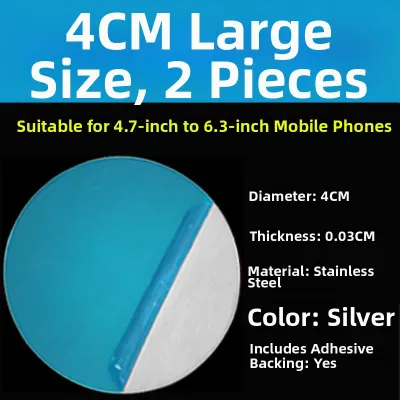
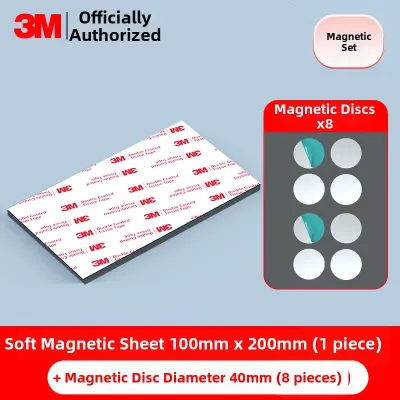
Not all metals are magnetic. Many modern office accessories are made of aluminum, brass, copper, or certain grades of stainless steel (such as 304 stainless steel), which do not attract to magnets. Before buying a magnetic strip, use a small household magnet to test the specific stationery items you want to organize. If your favorite tools do not cling to the test magnet, you will need to apply a small piece of adhesive-backed steel tape or a flexible magnetic strip to the tools themselves to make them compatible.
Evaluating Total Cost and Return Policies
When planning a large DIY project or organizing an entire home office, calculate the total cost of your materials in S$ per meter or per pack. While cheap flexible magnetic tape is highly cost-effective for paper crafts, attempting to use it for heavy tools will result in failure, forcing you to buy more expensive rigid strips later. Additionally, check the seller’s return policy on the online marketplace; because magnetic performance depends heavily on your specific tools and desk surface, having the option to exchange or return an underperforming strip provides valuable peace of mind.
Frequently Asked Questions (FAQ)
Can I cut a strong magnetic strip to a custom length?
Yes, but the ease of cutting depends entirely on the material of the strip. Flexible magnetic tape and thin rubberized magnetic sheets can be cut easily using standard household scissors, a utility knife, or a heavy-duty paper trimmer. However, rigid magnetic strips, steel-channel holders, and bare neodymium magnets cannot be cut at home. Attempting to cut or drill into a sintered neodymium magnet will cause it to shatter, ruin its protective plating, and produce highly flammable magnetic dust that is hazardous to inhale.
Why is my adhesive magnetic strip falling off the desk?
Adhesive failure is usually caused by improper surface preparation, excessive weight, or environmental factors. If the mounting surface was dusty, oily, or highly textured, the adhesive cannot form a complete bond. Furthermore, in humid climates, standard rubber-based adhesives can soften and slide under constant downward shear stress. To fix this, clean the surface thoroughly with isopropyl alcohol, reapply the strip using a high-quality acrylic foam tape (such as mounting tape rated for outdoor or humid use), and allow it to cure fully for 48 hours before use.
Will a strong magnetic strip damage my laptop or tablet?
Generally, a magnetic strip mounted on your desk wall or drawer will not damage modern laptops, tablets, or smartphones, as these devices utilize solid-state drives (SSDs) rather than magnetic hard drives. However, you should still avoid placing your devices directly against strong neodymium magnets. Extremely close contact can temporarily confuse the device’s internal sensors—such as the magnetic compass or the sensor that detects when a smart cover is closed—causing the screen to turn off unexpectedly or navigation apps to malfunction.
Community discussion
Share your experience or ask a question. Comments are reviewed before publication.