
Finding the right notebook is not just about choosing an attractive cover or a convenient binding style. The true value of a notebook lies in how its paper interacts with your writing instruments. A pen that glides effortlessly across one page might feather, bleed, or smudge on another, turning your daily journaling or note-taking into a frustrating experience. To find the right match, you must understand how paper weight, texture, and chemical treatments affect different ink types.
Rather than searching for a single, universally ideal notebook brand, the key is to match the specific characteristics of the paper to your preferred writing tools. Whether you write with a wet fountain pen, a precise gel pen, a standard ballpoint, or a graphite pencil, each instrument requires a different set of paper properties to perform optimally. By learning how to evaluate paper specifications and conduct simple tests, you can confidently select a notebook that enhances your writing flow and preserves your notes.
Decoding Notebook Paper Specifications
When browsing for notebooks, the product specifications on the label or online listing offer valuable clues about how the paper will perform. The most common metric you will encounter is paper weight, measured in grams per square meter (GSM). While GSM is often associated with quality, it is technically a measure of density and thickness. Standard notebook paper typically ranges from 50 GSM to 160 GSM. Lighter paper, around 50 GSM to 70 GSM, is thin and flexible, often found in lightweight pocket journals or high-capacity notebooks. Medium-weight paper, between 80 GSM and 100 GSM, is the standard for most everyday notebooks, offering a balance between durability and portability. Heavyweight paper, exceeding 120 GSM, feels substantial and stiff, resembling cardstock, which is ideal for heavy ink applications or sketching.
Products mentioned in this guide
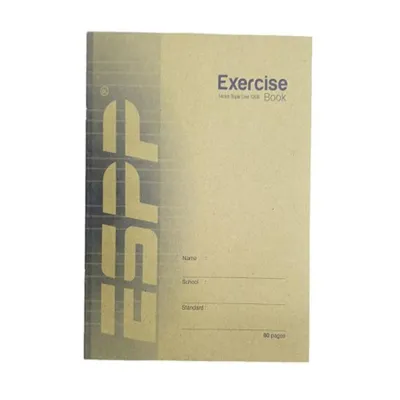
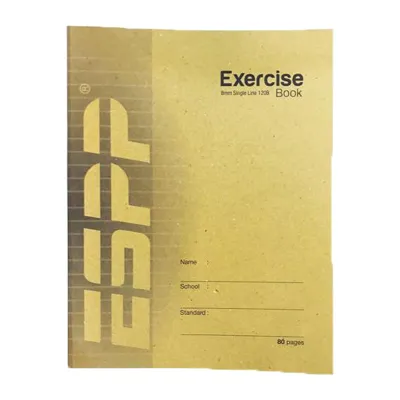
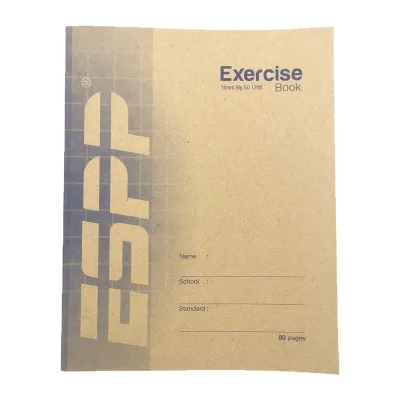
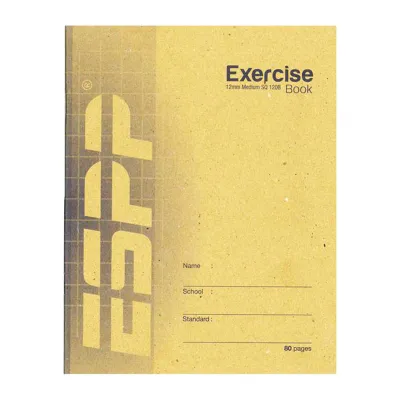
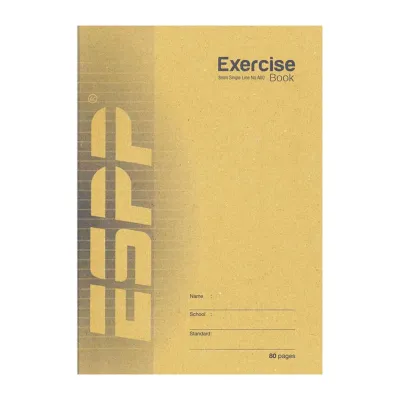
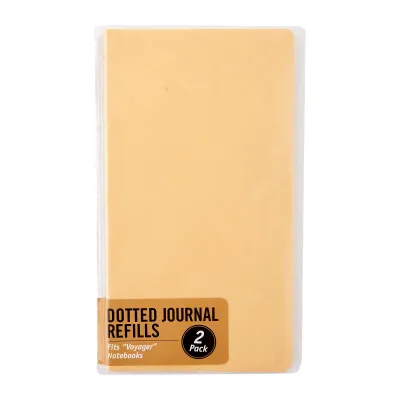
Prices are valid at publication and may change. Please refer to the product page for the latest price.
However, weight alone does not dictate how paper handles ink. Surface sizing and coatings play a critical role in controlling ink absorption and drying times. Sizing is a chemical treatment applied during manufacturing—either mixed into the pulp or coated onto the surface—that reduces the paper’s absorbency. Highly sized paper allows ink to sit on top of the page rather than soaking in immediately. This preservation of the ink on the surface enhances color vibrancy and prevents spreading, though it also extends the drying time. Uncoated or lightly sized paper absorbs ink rapidly, which prevents smudging but can lead to a fuzzy, spread-out line.
The shade of the paper is another important specification that affects your overall writing experience. Notebook paper generally falls into two categories: bright white and off-white or cream. Bright white paper provides high contrast, making ink colors pop and pencil marks stand out clearly. However, the high reflectivity of bright white paper can cause eye strain during long writing sessions under bright lights. Cream or ivory paper offers a softer, warmer background that is gentler on the eyes, though it can slightly alter the appearance of colored inks, making blues look greener and yellows warmer.
Evaluating Ink Resistance and Show-Through
To prevent your writing from ruining the reverse side of a page, you must understand how paper resists ink penetration. Two common issues that plague notebook users are feathering and bleed-through. Feathering occurs when ink spreads horizontally along the paper fibers, creating a fuzzy, spiderweb-like effect around your letters. This usually happens when the paper fibers are highly absorbent or lack adequate surface sizing. Bleed-through, on the other hand, is a vertical penetration where the ink completely saturates the paper and appears on the back of the sheet, sometimes even spotting onto the next page.

Another related phenomenon is show-through, often referred to as ghosting. Unlike bleed-through, ghosting does not involve ink breaking through the paper fibers. Instead, the paper is simply thin or translucent enough that you can see the dark outline of your writing from the other side. While ghosting does not physically damage the next page, it can make writing on both sides of a sheet visually distracting. If you prefer to use both sides of every page, you will want to look for paper with higher opacity, which is generally achieved through a combination of higher GSM and specific mineral fillers used during manufacturing.
To evaluate these properties before committing to a full notebook, you can perform a controlled spot test if you have access to a sample sheet. Using your primary pen and ink, draw a solid block of color, a few heavy lines, and some standard text. Observe how quickly the ink dries on the surface. Once dry, flip the page to inspect the reverse side. Check for any pinpricks of ink that have broken through the surface, and note the level of ghosting. This simple trial provides a reliable indicator of how the paper handles the specific wetness and flow of your writing tools.
Matching Paper Texture to Your Pen Type
The physical texture of the paper, often referred to as its “tooth,” determines the tactile feedback you feel as you write. Different pen types require different levels of texture to perform optimally. Fountain pens, which use water-based inks delivered through a metal nib, perform exceptionally well on smooth, well-sized paper. A smooth surface prevents the delicate metal tipping of the nib from catching or scratching, allowing for a fluid, uninterrupted writing experience. Furthermore, highly sized paper prevents the wet ink from feathering, preserving the crisp lines and unique shading properties of fountain pen inks.
Gel and rollerball pens also use liquid or water-based gel inks, but they deliver them via a rotating ball mechanism. For these pens, the ideal paper balances surface smoothness with a moderate drying speed. If the paper is too smooth and non-porous, the gel ink may sit on the surface for a long time, leading to accidental smudges as your hand moves across the page. Conversely, if the paper is too absorbent, the ink may spread, causing your fine-point gel pen to write like a medium-point pen. Look for medium-weight paper with a satin finish that allows the ball to roll smoothly while absorbing the ink just quickly enough to prevent smearing.
Ballpoint pens and graphite pencils require a completely different paper profile. Because ballpoint ink is thick, oil-based, and requires physical pressure to transfer, it performs well on paper with a slight texture or tooth. This texture provides the necessary friction to keep the ball rolling smoothly without slipping. Similarly, pencils rely on the abrasive quality of the paper to shave off microscopic particles of graphite and hold them on the page. If you write on paper that is too smooth with a pencil, the mark will be faint, and the graphite will smudge easily. A slightly textured, uncoated paper is ideal for maintaining control and achieving dark, crisp pencil lines.
Navigating Notebook Brand Categories by Use Case
The notebook market is diverse, with brands tailoring their products to specific writing preferences and use cases. Understanding these categories helps you narrow down your choices based on your primary writing tools. Premium fountain-pen-friendly notebooks are designed specifically to handle wet inks. These products often feature specialized, highly coated paper that is exceptionally smooth. While they are highly resistant to feathering and bleed-through, they often require longer drying times, making them less suitable for quick, on-the-go note-taking where you need to close the book immediately.
Everyday and student notebooks focus on versatility, durability, and cost-effectiveness. The paper in these notebooks is typically optimized for standard ballpoint pens, gel pens, and pencils. It generally has a faster drying time and a moderate amount of texture. While these notebooks are highly practical for daily tasks, lectures, and quick lists, they may not perform well with wet fountain pens or heavy markers, which can easily bleed through the thinner, less-sized sheets.
Specialty and mixed-media pads are engineered for artistic applications, heavy ink loads, or creative journaling. These notebooks feature very thick paper, often starting at 120 GSM and going much higher. The paper may have a pronounced texture to hold dry media like charcoal and pencil, or it may be heavily sized to handle watercolors, brush pens, and alcohol markers without warping or bleeding. While excellent for creative projects, the thickness and weight of these pads make them less practical for standard, high-volume writing.
How to Test and Verify Paper Before Buying
Before purchasing a new notebook, taking a few steps to verify the paper quality can save you from a mismatched purchase. Start by carefully reading the product packaging or online specifications. Look for details beyond just the GSM; check if the manufacturer specifies the paper origin, surface finish, or suitability for specific pen types. Some brands explicitly state if their paper is optimized for fountain pens or if it features acid-free composition, which prevents the paper from yellowing and deteriorating over time.
If you are shopping in a physical stationery store, look for tester pads or display models. Many specialty shops provide sample sheets of different notebooks specifically for customers to try. Bring your favorite pens with you and write a few sentences on these samples. Pay attention to the tactile feedback, the drying speed, and how the ink looks on the page. Flip the sheet to check for ghosting and bleed-through under real-world conditions.
When shopping online, where physical testing is not possible, leverage the experiences of the stationery community. Search online retailer reviews, forums, and stationery blogs for specific mentions of your preferred pen and ink combination. Many enthusiasts share detailed reviews of how specific notebook brands handle different nib sizes and ink brands. By looking for feedback from users who share your exact writing setup, you can make an informed decision and find a notebook that delivers a satisfying writing experience.
Frequently Asked Questions (FAQ)
Does higher GSM always mean better paper for fountain pens?
No, a higher GSM does not automatically guarantee that paper will perform well with fountain pens. While thicker paper is more opaque and resists ghosting, its resistance to feathering and bleed-through depends primarily on surface sizing and chemical coatings. A lightweight paper with high-quality sizing can handle wet fountain pen ink beautifully without any bleeding, while a heavy, unsized paper can act like a sponge, causing the ink to feather and bleed through despite its thickness.
How can I manage a notebook that bleeds through with my favorite pen?
If you have a notebook that suffers from bleed-through or heavy ghosting, you can use several practical workarounds to improve the experience. Placing a thick sheet of paper or a plastic pencil board directly underneath the page you are writing on will prevent ink from spotting onto the subsequent pages. You can also try switching to a drier ink formulation or using a finer pen tip, both of which reduce the volume of ink deposited onto the paper, minimizing the chance of penetration.

Community discussion
Share your experience or ask a question. Comments are reviewed before publication.