
The “best” paper quality in an A6 notebook is not a universal standard; it depends entirely on your preferred pens, inks, and writing habits. While some brands prioritize ultra-smooth surfaces for fountain pens, others focus on fast-absorbing textures for gel pens or ballpoints. Because the A6 format is highly portable and frequently used for on-the-go pocket journaling, daily planning, and quick note-taking, finding the right balance between paper performance and notebook thickness is essential for a satisfying writing experience.
To make an informed choice, you must look beyond brand names and marketing claims. Evaluating the physical and chemical properties of the paper allows you to predict how it will handle your favorite writing instruments. By understanding how paper weight, surface treatment, and texture interact with different inks, you can select an A6 notebook that performs flawlessly without feathering, bleeding, or smudging.
Key Dimensions for Evaluating A6 Notebook Paper Quality
Paper weight, measured in Grams per Square Meter (GSM), is the most common specification you will encounter. GSM directly influences page thickness, opacity, and the physical bulk of your notebook. Generally, lower GSM papers (around 52 GSM to 70 GSM) allow for a higher page count in a compact A6 size without making the notebook too thick to carry. However, lighter papers are more prone to ghosting—where writing is visible as a shadow on the reverse side of the page—and require specialized manufacturing to prevent ink from bleeding through.
Products mentioned in this guide
![[SG Stock] A6 Recycled Notebook | Notebook with Pen](https://img.lazcdn.com/g/p/d51a17477c311ea340bb0dc30b685a32.jpg_400x400q80.jpg_.webp)
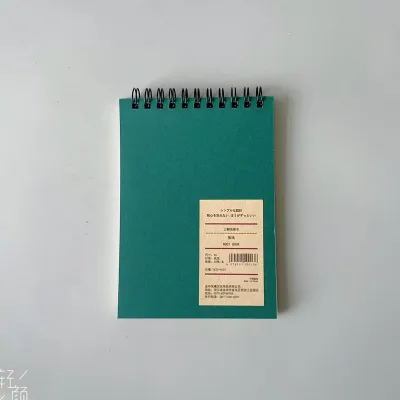
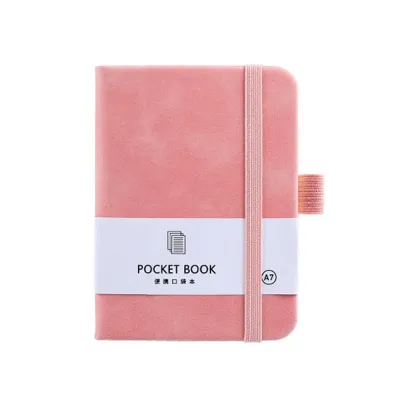
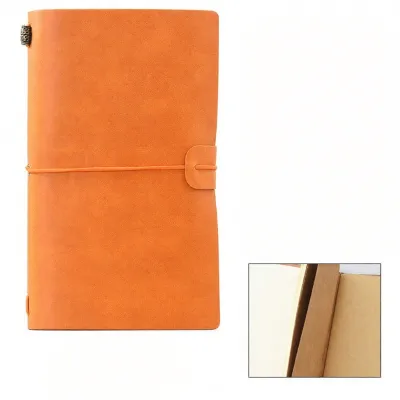
Prices are valid at publication and may change. Please refer to the product page for the latest price.
Surface sizing and coating treatments are chemical processes applied during manufacturing that dictate how paper interacts with liquid. Sizing controls the paper’s absorbency; highly sized or coated papers resist liquid penetration, keeping ink on the surface to dry slowly. This preservation of ink on the surface enhances color vibrancy and sheen but increases drying times. Uncoated or lightly sized papers absorb ink rapidly, which minimizes drying times but increases the risk of the ink spreading along the paper fibers, a phenomenon known as feathering.
Paper texture, often referred to as “tooth,” defines the tactile feedback you feel as the pen glides across the page. Smooth, satin-like finishes minimize friction, allowing fine-nibbed pens to slide effortlessly without catching. Conversely, paper with a distinct tooth provides a slight resistance that helps stabilize your hand. This texture is particularly beneficial for pencils and ballpoint pens, which require physical friction to lay down graphite or roll the ink ball effectively.
In the compact A6 format, these dimensions also dictate the physical usability of the notebook. A notebook featuring high-GSM paper (such as 120 GSM or higher) will naturally have fewer pages or become significantly thicker and heavier. If you plan to carry your notebook in a pocket or small bag, balancing a high page count with a manageable thickness requires choosing a paper that offers excellent ink resistance at a lower weight.
How Paper Characteristics Interact With Your Pens and Inks
Fountain pens utilize highly fluid, water-based inks that place the greatest demand on paper quality. To prevent the ink from soaking through the sheet or spreading sideways into unsightly spiderweb patterns, the paper must feature high surface sizing. When writing with wet fountain pen nibs, a highly sized, smooth paper is essential to preserve clean lines and showcase the unique shading or sheen of the ink. Without this treatment, even thick paper can suffer from severe bleed-through.

Gel and rollerball inks are also water-based but have a thicker consistency than fountain pen inks. While they write smoothly on most surfaces, they pose a significant smudging risk on highly coated, slow-drying papers. In warm or humid climates, such as Singapore, the moisture in the air can further prolong drying times on coated sheets. If you rely on gel pens for quick, spontaneous notes, a moderately sized, uncoated paper that absorbs ink quickly is much more practical than a slick, high-gloss surface.
Ballpoint pens and graphite pencils perform best on paper that offers a moderate amount of tooth. Because ballpoint ink is oil-based and viscous, it requires physical friction to rotate the tiny ball in the pen tip and transfer the ink to the page. On extremely smooth, coated papers, a ballpoint pen may skip or fail to start writing. Pencils similarly require a textured surface to shave off microscopic particles of graphite; writing with a pencil on ultra-smooth paper often results in faint, barely legible lines.
Multi-media creators who use highlighters, felt-tip pens, or light watercolor washes in their A6 journals must prioritize paper density and water resistance. Highlighters and markers deposit a large volume of liquid ink in a single stroke, which easily penetrates low-GSM, unsized papers. For these tools, look for robust, high-GSM papers that can absorb the moisture without warping, buckling, or transferring the color to the next page.
How to Compare Paper Specifications Across Notebook Brands
When comparing A6 notebooks online or in stationery boutiques, start by locating the technical specifications on the product packaging, labels, or official listings. Look for the explicit GSM rating, the page count, and the paper’s country of origin. Papers manufactured in Japan, France, and Sweden are highly regarded in the stationery community, each offering distinct characteristics. For example, Japanese papers are celebrated for being thin yet incredibly fountain-pen friendly, while French papers are known for their smooth, satin-like finishes.
Be aware that many brands use proprietary names to describe their paper formulations rather than standard industry terms. Phrases like “ink-proof paper,” “velvet finish,” or custom brand-specific paper names are marketing designations. To evaluate these options objectively, look past the branding to find the actual weight and whether the paper is described as coated or uncoated. If a brand does not disclose the GSM or manufacturing details, it is often an indication that the paper is designed for general-purpose ballpoint use rather than specialized ink performance.
Verify whether the paper is certified as acid-free or pH-neutral, especially if you intend to keep your notebooks for long-term archival storage. Acidic paper, which is common in cheap utility notebooks, degrades over time when exposed to light and air, causing the pages to turn yellow and brittle and the ink to fade. Acid-free paper ensures that your sketches, journal entries, and daily logs remain pristine and legible for decades.
When shopping online, look for user reviews that include close-up photographs of ink tests. Because paper performance is highly dependent on the specific pen and ink combination, peer reviews are invaluable. Pay close attention to images showing the back of a written page to assess the true level of ghosting and bleed-through, as these visual indicators are far more reliable than a brand’s self-reported “fountain pen friendly” label.
Decision Framework: Which A6 Notebook Fits Your Writing Style?
To find the ideal A6 notebook, match your primary writing tools and daily habits to the corresponding paper specifications in this decision framework:
- For Fountain Pen Enthusiasts: Prioritize thin, highly sized, smooth paper (typically 52 GSM to 80 GSM) from reputable paper mills. This combination allows for a high page count in a portable A6 size while preventing feathering and showcasing ink characteristics. Be prepared for slightly longer drying times.
- For Gel Pen Users and Quick Note-Takers: Choose uncoated or lightly sized paper with a medium weight (70 GSM to 90 GSM). This paper absorbs water-based gel inks rapidly, minimizing the risk of smudging when you close your notebook quickly on the go.
- For Ballpoint and Pencil Users: Opt for paper with a natural, slightly toothy texture (80 GSM to 100 GSM). The physical feedback will make writing feel more controlled, prevent the pen from skipping, and allow graphite to transfer clearly without requiring heavy hand pressure.
- For Illustrators and Heavy Ink Users: Select thick, high-density paper (100 GSM to 120+ GSM or mixed-media cardstock). The high weight provides the opacity and structural integrity needed to handle highlighters, markers, and light washes without bleeding or warping the page.
- For Archival and Long-Term Journaling: Ensure the notebook specifications explicitly state "acid-free" or "pH-neutral" to guarantee the longevity of your records.
How to Test and Verify Paper Quality Before Committing
If you are shopping in a physical stationery store, you can perform a few simple, non-destructive checks to evaluate paper quality. Gently run your fingertips across a sample page to assess the texture; a velvety, slick feel indicates high sizing or coating, while a slight paper rustle suggests a toothier surface. Hold a single page up to the store’s overhead lighting to check the fiber distribution. High-quality paper displays a uniform, consistent cloudiness, whereas lower-quality paper often shows irregular, blotchy patches of varying density.
Once you purchase a new A6 notebook, always conduct a standardized ink test on the very last page before committing to your main entries. Draw a simple grid and write a few words using every pen, pencil, and highlighter you plan to use. Draw a solid block of ink with your wettest pen to test the paper’s limits. Let the ink dry completely, noting how long it takes to become smudge-proof, then inspect the page for feathering.
Finally, flip the page to examine the reverse side. Evaluate the level of ghosting (how visible the writing is through the paper) and check for any actual bleed-through (ink spots that have physically penetrated to the other side). This simple test establishes a clear baseline for how your specific writing tools behave on the paper, ensuring you avoid frustrating ink issues during daily use.
Frequently Asked Questions (FAQ)
Does higher GSM always mean better paper quality for fountain pens?
No, a higher GSM does not guarantee that paper will perform well with fountain pens. GSM only measures the weight and thickness of the paper, not its surface treatment. A thin, 52 GSM paper with excellent surface sizing can resist fountain pen ink beautifully without feathering or bleeding. Conversely, a thick 100 GSM sketch paper that lacks proper sizing will absorb ink like a sponge, causing severe feathering and immediate bleed-through. Sizing and coating are far more important than thickness when it comes to handling liquid inks.
Why do some A6 notebooks cause gel ink to smudge?
Gel ink smudging is typically caused by highly coated or heavily sized paper surfaces. These treatments are designed to repel liquid to prevent bleeding, which forces the water-based gel ink to sit on top of the page rather than absorbing into the paper fibers. In humid environments, this surface moisture evaporates very slowly, leaving the wet ink vulnerable to smudging when touched or when the notebook is closed. If you prefer gel pens, look for uncoated, moderately absorbent papers that allow the ink to dry quickly.

Community discussion
Share your experience or ask a question. Comments are reviewed before publication.