
Selecting your first watercolor painting set in Singapore requires balancing convenience, paint quality, and the unique tropical climate. Beginners often face an overwhelming array of choices, from pocket-sized travel pans to professional-grade tubes. To make an informed decision, you must evaluate how you plan to paint, where you will practice, and how your materials will interact with the local humidity. By focusing on format, pigment specifications, and paper compatibility, you can build a reliable setup that supports your learning journey without unnecessary expenses. This guide provides a clear framework to help you navigate these choices and select a set that fits your creative goals.
Understanding Watercolor Formats for Beginners
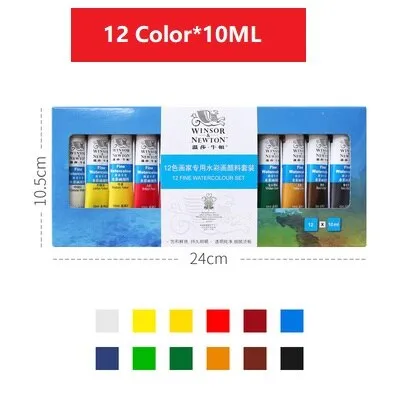
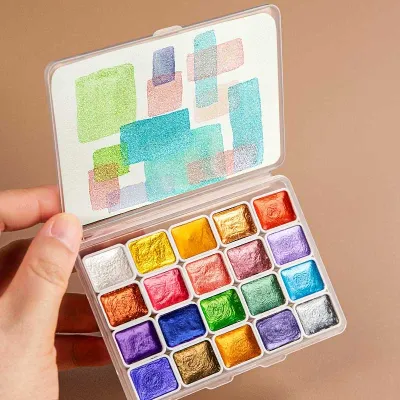
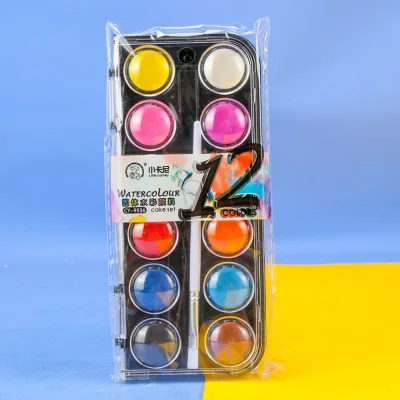
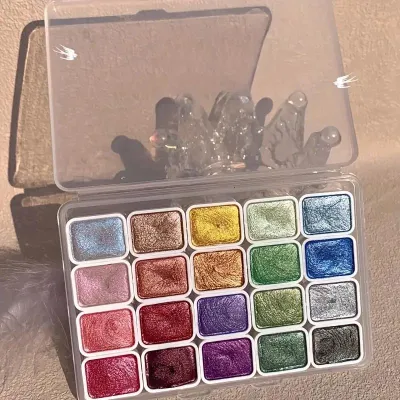
Watercolor paints are primarily available in two formats: dry pans (semi-solid blocks of paint activated with water) and wet tubes (creamy paint squeezed directly onto a palette). For beginners, choosing between these formats depends heavily on your intended painting environment, setup time, and cleanup preferences. Pan sets are highly self-contained, requiring minimal preparation; you simply open the lid, wet the pans with a brush, and begin painting. This makes them exceptionally portable and ideal for urban sketching in Singapore’s parks, cafes, or outdoor gardens. Cleanup is equally straightforward, as you can simply let the pans air-dry before closing the case.
Tube watercolors, on the other hand, offer a different set of advantages suited for a dedicated desk or home studio setup. Squeezing fresh paint from a tube provides a rich, creamy consistency that makes it easier to mix large washes of vibrant color without wearing down your brush tips. However, tubes require a separate mixing palette, take longer to set up, and demand more thorough cleanup to prevent wasted paint. In a humid environment, squeezed tube paint left on an open palette may remain tacky for a long time, which can attract dust if not stored in a sealed, dust-free container.
Products mentioned in this guide
![[SG Stock] 8 Sheet All in One Magic Watercolour Set Mess Free Children Art Activity Children Day Gift | Childrens Day](https://img.lazcdn.com/g/p/c34678c69b8f027a23d2a7269593c140.jpg_400x400q80.jpg_.webp)


Prices are valid at publication and may change. Please refer to the product page for the latest price.
The local climate in Singapore plays a subtle but important role in how you manage these formats. High relative humidity means that wet paint squeezed from tubes will dry much slower on your palette than it would in an arid climate. While this gives you more working time, it also means you must be careful when storing a wet palette to avoid mold growth. Conversely, pan watercolors are less likely to crack or crumble in a humid environment, making them highly stable and easy to maintain year-round.
When evaluating a watercolor painting set, it is wise to check the manufacturer’s specifications regarding refill options. Many high-quality starter sets utilize standardized half-pan or full-pan sizes. This design allows you to replace individual colors as they run out, rather than purchasing an entirely new set. Alternatively, some artists prefer to buy empty pan cases and fill them with paint squeezed from tubes, letting the paint dry over several days to create a custom, cost-effective travel palette. Verifying whether a set supports standardized refills ensures your initial investment remains useful as your skills develop over time.
Evaluating Pigment Quality and Paint Grades
Art supplies are generally categorized into student-grade and professional-grade lines, and understanding these distinctions is key to managing your budget and expectations. Student-grade watercolor painting sets are formulated with lower pigment concentrations and often utilize synthetic alternatives or fillers to mimic expensive natural pigments. While this makes them highly affordable and excellent for initial skill-building, it can affect how the colors behave on paper. Student-grade paints may appear slightly more opaque, dry with a matte or chalky finish, and lose some vibrancy when mixed together, occasionally resulting in muddy tones.

One common indicator of student-grade paint is the word “Hue” printed after a color name on the label, such as “Cobalt Blue Hue.” This term indicates that the paint does not contain the actual, expensive cobalt pigment but is instead a blend of cheaper, safer pigments formulated to mimic the color. While these formulations are excellent for practice, they may not mix as predictably as single-pigment paints. Understanding this distinction helps you manage your expectations when practicing complex color-mixing exercises.
Professional-grade watercolors feature high concentrations of pure pigments ground finely with natural binders, typically gum arabic. These paints offer exceptional transparency, intense vibrancy, and predictable mixing behavior, allowing you to layer multiple colors without losing clarity. However, for those just beginning their watercolor journey, student-grade sets are usually the most practical choice. They provide a low-pressure medium for practicing water control, brush techniques, and color theory without the worry of wasting costly professional materials.
To assess the quality of any watercolor painting set, look closely at the manufacturer’s packaging or online specifications for pigment information and lightfastness ratings. Reliable brands print specific pigment codes (such as PB29 for Ultramarine Blue or PY43 for Yellow Ochre) directly on the packaging or color chart. Lightfastness refers to a paint’s resistance to fading when exposed to light over time, often rated on an ASTM international scale (where Category I is highly lightfast) or a blue wool scale. Checking these labels ensures you are buying genuine paint rather than cheap novelty sets that fade rapidly or lack the binder consistency needed for proper watercolor techniques.
Essential Accessories and Paper Compatibility
A watercolor painting set is only as effective as the accessories and paper you pair with it. Many beginner sets come bundled with built-in mixing palettes, travel brushes, or water wells. When evaluating these bundles, inspect the quality of the included tools rather than assuming a higher piece count equals better value. Built-in plastic palettes are convenient for travel, but they can cause water to bead up on the surface, making color mixing difficult; a metal or ceramic mixing area often provides a smoother, more controllable surface. Similarly, check if the included brush is a synthetic round brush with a fine point, which is the most versatile shape for learning both broad washes and fine details.
The choice of brush material also impacts your painting experience. While professional artists often use natural hair brushes, such as sable or squirrel, high-quality synthetic brushes are highly recommended for beginners. Synthetic fibers have improved significantly, offering excellent spring, durability, and ease of cleaning. They are also less prone to damage from improper storage or rough handling, making them a practical and cost-effective choice for those still mastering brush control.
The most critical companion to your watercolor painting set is the paper you use. Watercolor painting relies on heavy applications of water, which will cause standard drawing or printer paper to buckle, warp, and pill. To achieve satisfactory results, you must pair your paints with dedicated watercolor paper, ideally with a weight of at least 300 GSM (grams per square meter). Paper of this weight can absorb significant moisture without warping.
Additionally, pay attention to the paper’s texture and material. Cold-pressed paper has a slightly textured surface that holds water and pigment beautifully, making it the most forgiving and popular choice for beginners. Hot-pressed paper is completely smooth and dries quickly, which is better suited for detailed line work but harder to control for smooth washes. Before finalizing your purchase, create a checklist of missing essentials: if your chosen watercolor painting set does not include a sturdy brush, a mixing surface, or a water container, you will need to source these separately alongside a high-quality 300 GSM watercolor pad.
Building Your Shortlist: Where to Check and What to Verify
When you are ready to purchase a watercolor painting set in Singapore, taking a systematic approach to sourcing your materials will help you avoid counterfeit products and low-quality kits. Online marketplaces and e-commerce platforms offer a vast selection, but they require careful verification. Always check the seller’s reputation, read customer reviews specifically looking for mentions of packaging quality and product authenticity, and verify that the stock is shipped from a reputable distributor. Counterfeit art supplies are common online, and they often contain inferior binders that do not dissolve properly in water.
Upon receiving an online order, inspect the physical condition of the paint set immediately. For tube sets, check that the seals are intact and that there is no excessive separation of the binder (which looks like a clear, oily liquid) from the pigment. For pan sets, ensure the pans are securely seated in their slots and have not crumbled during transit. If you notice any defects, contact the seller promptly, as reputable distributors on local e-commerce platforms typically offer straightforward return or exchange policies for damaged art supplies.
Visiting a physical art supply store in Singapore offers distinct advantages that online shopping cannot replicate. Locations like the historic Bras Basah Complex house specialty art retailers where you can physically handle the paint sets, inspect the sturdiness of the cases, and view physical color swatches painted on actual watercolor paper. Store staff can often provide valuable insights into which student-grade sets are currently favored by local art schools and hobbyists. Seeing the actual size of the pans and the layout of the mixing wells in person can help you visualize how the set will fit onto your home desk or into your travel bag.
As you build your shortlist, watch out for common red flags. Avoid unbranded watercolor sets that do not list individual pigment codes or manufacturer details, as these often contain cheap dyes that stain paper permanently and cannot be lifted or blended. Furthermore, if you are purchasing a set for younger users or family members, verify that the product carries recognized safety certifications, such as the AP (Approved Product) non-toxic seal from the Art and Creative Materials Institute. Ensuring these safety and quality standards are met will guarantee a frustrating-free introduction to this beautiful medium.
Frequently Asked Questions (FAQ)
How do I prevent pan watercolors from drying out completely?
Pan watercolors are designed to dry into hard blocks, so complete dryness is actually their natural, stable state. However, to prevent them from cracking excessively or becoming dusty, store your pan set in a cool, dry place away from direct sunlight when not in use. In Singapore’s humid climate, ensure the pans are completely dry before sealing them in an airtight container to prevent mold growth. To prepare them for painting, simply mist the pans lightly with clean water from a spray bottle a few minutes before you begin, which gently rehydrates the surface for easy color pickup.
Can I mix student-grade and professional-grade watercolors?
Yes, you can safely mix student-grade and professional-grade watercolors on your palette. Because both grades typically use water-soluble binders like gum arabic, they will blend together without chemical issues. However, keep in mind that mixing them will alter the overall pigment concentration and transparency of your wash. The student-grade paint may lower the vibrancy and lightfastness of the professional-grade paint in that specific mixture, so it is best to test your color mixes on a scrap piece of watercolor paper first to observe how they dry.
What is the best way to clean a watercolor palette after use?
To clean your watercolor palette, gently wipe away leftover paint using a damp, soft cloth or a cellulose sponge and clean water. Avoid using abrasive scrubbing pads or harsh chemical solvents, as these can scratch plastic or ceramic surfaces, causing future paint mixtures to bead up or stain the material permanently. If you are using a plastic palette with stubborn stains, a mild dish soap can help lift the pigment without damaging the surface. Always dry the palette thoroughly before storing it to maintain a clean, dust-free mixing area.

Community discussion
Share your experience or ask a question. Comments are reviewed before publication.