
Starting your journey into needlework is an exciting step, but walking into a craft store or browsing an online marketplace can quickly become overwhelming when you are faced with dozens of needle options. For a beginner, the ideal sewing needle set should prioritize a balanced variety of essential needle types, a versatile range of mid-range sizes, smooth eye construction to prevent thread fraying, and a secure, organized storage case. Selecting a well-curated set ensures you have the right tool for basic mending, embroidery, and fabric crafts without paying for highly specialized needles you may not use for years.
By focusing on a few key selection criteria, you can avoid the frustration of bent shafts, shredded threads, and damaged fabrics. A thoughtful choice in your first needle set will make your initial projects much smoother, allowing you to focus on mastering your stitches rather than fighting your tools.
Understanding Needle Anatomy and Sizing Systems
To choose the right sewing needle set, it helps to understand the anatomy of a hand sewing needle and how each part contributes to your stitching experience. A standard hand needle consists of the eye, the shaft, the groove, and the point. The eye is the opening at the top where the thread is inserted; its shape and size vary depending on the needle type. The shaft is the main body of the needle, determining its overall length and thickness. The groove is a subtle indentation just below the eye that helps guide the thread smoothly through the fabric, while the point is the tip that pierces the material.
Products mentioned in this guide
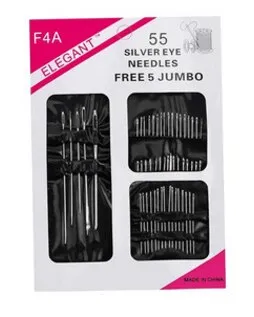
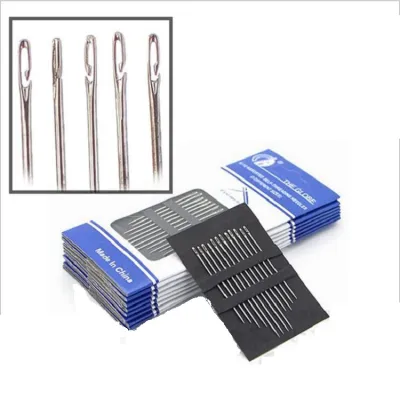
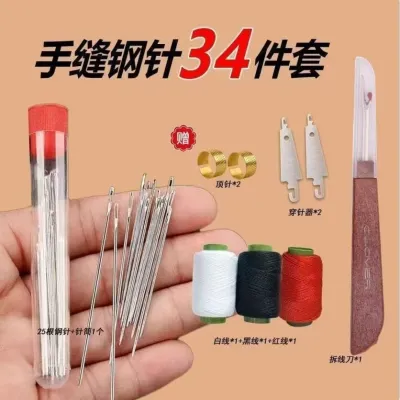
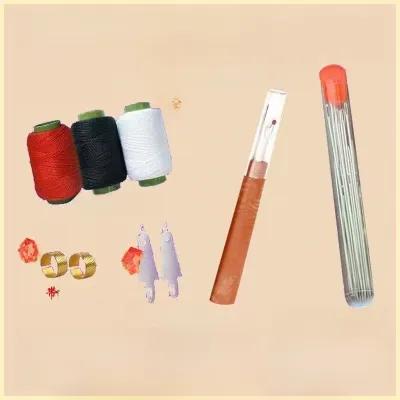
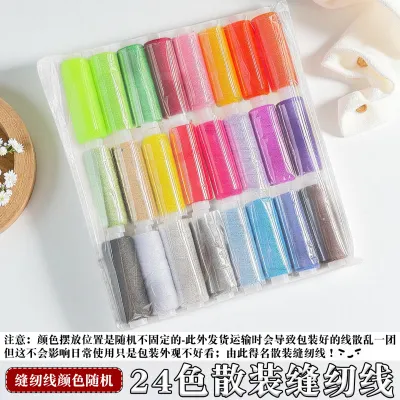
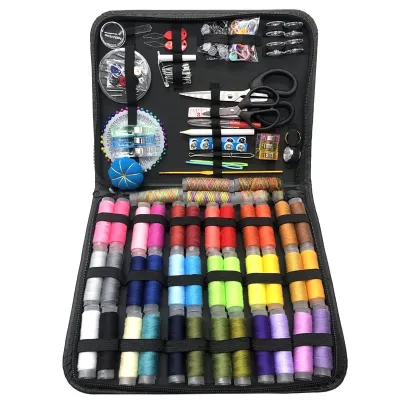
Prices are valid at publication and may change. Please refer to the product page for the latest price.
When evaluating a sewing needle set, you will notice a numbering system on the packaging that can initially seem counterintuitive. For hand sewing needles, the sizing convention dictates that the larger the size number, the finer and thinner the needle. Conversely, a smaller size number indicates a thicker, heavier needle. For example, a size 10 needle is exceptionally fine and thin, whereas a size 3 needle is thick and robust. This is the opposite of many machine needle sizing systems, so keeping this distinction in mind is crucial when shopping for hand sewing tools.
Matching your needle size to both your thread weight and fabric density is essential for clean, effortless stitching. If you use a needle that is too thick for a delicate fabric, it will leave permanent, unsightly holes in the weave. If you use a needle that is too thin for a heavy fabric, the needle may bend or snap under pressure. Furthermore, the eye of the needle must be large enough to accommodate your thread without pinching it, yet small enough that the needle creates a hole just large enough for the thread to pass through without friction.
For lightweight fabrics like silk, fine cotton, or organza, you will want to look for fine needles in the size 9 to 12 range, paired with delicate sewing threads. Medium-weight fabrics, such as standard quilting cotton, linen, and light wool, are best worked with size 7 or 8 needles and standard polyester or cotton sewing threads. Heavyweight materials like denim, canvas, or thick upholstery fabrics require sturdy needles in the size 1 to 5 range, paired with heavy-duty or topstitching threads.
Must-Have Needle Types for a Beginner Kit
A common mistake for beginners is buying a massive, generic needle pack filled with specialized tools they do not yet know how to use. Instead, look for a sewing needle set that focuses on a solid foundation of four primary needle types. Having these core varieties on hand will allow you to tackle almost any introductory hand-sewing, mending, or embroidery project.

Sharps are the absolute backbone of hand sewing and should make up the majority of your beginner set. These needles are of medium length, feature a round eye, and have a very sharp point. They are designed for general-purpose sewing, hemming, and basic mending on woven fabrics. Because they glide easily through standard cottons and synthetics, they are the needle you will reach for most often when repairing a seam or sewing on a button.
Crewel needles, also widely known as embroidery needles, are highly similar to sharps in length and sharpness, but they feature a significantly longer eye. This elongated eye is specifically designed to accommodate thicker threads, such as multi-strand embroidery floss, pearl cotton, or fine wool. If you plan to try your hand at decorative stitching, surface embroidery, or smocking, having a selection of crewel needles in sizes 5 to 10 in your set is indispensable.
Darners are longer needles with larger eyes, traditionally used for repairing holes in socks and knitwear. Their extra length makes them excellent for running stitches, basting layers of fabric together before machine sewing, and working with textured or loosely woven materials. The long shaft allows you to weave the needle in and out of the fabric multiple times before pulling the thread through, which speeds up hand-basting and mending tasks.
Finally, a beginner set should include a few blunt-tip options, most notably tapestry needles. Unlike sharps, tapestry needles have a rounded, blunt point and an exceptionally large eye. They are designed not to pierce fabric fibers, but rather to slip between the open spaces of woven grids. This makes them the standard choice for cross-stitch, needlepoint, and tapestry work on Aida cloth or plastic canvas. They are also highly useful for weaving in yarn ends on knitting or crochet projects.
Key Quality Indicators and Material Checks
Not all sewing needles are manufactured to the same standard, and using low-quality needles can lead to a frustrating sewing experience. When selecting a sewing needle set, pay close attention to the materials and finishes used. High-carbon steel is the industry standard for quality hand needles, as it offers the perfect balance of strength and flexibility, allowing the needle to bend slightly under pressure rather than snapping instantly.
To ensure smooth fabric penetration, look for needles with a high-quality surface plating. Nickel plating is highly common and effective, providing a slick surface that reduces friction as the needle passes through the fabric. In humid climates, such as Singapore, high humidity can cause unprotected steel needles to rust or tarnish quickly. A quality nickel or gold plating acts as a protective barrier against moisture and skin oils, preventing rust spots that could otherwise snag and ruin delicate fabrics. Some premium beginner sets feature gold-plated eyes, which not only resist corrosion but also offer high visual contrast, making threading much easier.
Another critical quality check involves the interior of the needle eye. In cheaply manufactured needle sets, the stamping process often leaves microscopic metal burrs or sharp edges inside the eye. These rough spots act like tiny saws, shredding or snapping your thread as you pull it through the fabric. While you cannot always see these burrs with the naked eye, you can test for them by running a piece of thread through the needle and sliding it back and forth; it should glide smoothly without catching or fraying.
Packaging is another indicator of overall quality and usability. Avoid sets where the needles are loosely packed in flimsy paper envelopes, as these are easily lost, difficult to organize, and pose a safety hazard. Instead, look for sets housed in secure, reusable containers. Circular “dial-a-needle” compacts, magnetic cases, or felt-lined needle books are excellent options. These designs keep your needles organized by type and size, preventing them from spilling and keeping them safe from moisture.
Evaluating Set Composition and Value
When shopping for your first sewing needle set, it is easy to be swayed by high piece counts. A package advertising 100 needles might seem like a better value than a set of 25, but closer inspection often reveals that the larger set is padded with highly specialized tools you may never use, such as curved upholstery needles, heavy leather needles, or sailmaker needles. For a beginner, a smaller, well-curated set of 20 to 30 needles offers far greater practical utility.
Evaluate the set composition to ensure it aligns with your immediate project goals. If you are primarily interested in garment mending and basic alterations, prioritize a set heavy on sharps and darners in mid-range sizes (sizes 5 to 9). If you want to explore decorative crafts, look for a set that leans toward embroidery and tapestry needles. A balanced variety pack containing a few of each type is generally the safest bet for someone still exploring different needlework disciplines.
Consider whether the set includes useful beginner accessories that add genuine value to your purchase. A high-quality needle threader is an incredibly helpful tool for newcomers, saving time and eye strain when working with fine needles. Other useful additions include a small pair of thread snips, a magnetic needle minder to prevent lost needles on your workspace, or a compact storage case that fits easily into a drawer or travel bag.
In terms of cost-effectiveness, a reliable, entry-level sewing needle set from a reputable manufacturer typically ranges from S$5 to S$12. While you can find cheaper, unbranded sets on online marketplaces, investing a few extra dollars in a trusted brand pays off in the long run. High-quality needles stay sharp longer, resist bending, and protect your fabrics from damage, saving you from the hidden costs of ruined project materials.
Building Your Shortlist: What to Look for on the Label
When you are ready to make a purchase, whether in a local craft shop or on an online marketplace, treat the product label as your primary source of information. A well-labeled sewing needle set should clearly list the specific needle types included, along with their corresponding sizes. Avoid products that simply state “assorted needles” without providing a detailed breakdown, as this often indicates lower manufacturing standards and inconsistent sizing.
Look for explicit material specifications on the packaging. Labels that mention “hardened steel,” “tempered steel,” or “nickel-plated” are strong indicators of durability and smooth performance. If you have sensitive skin or a nickel allergy, look for specialty sets labeled as hypoallergenic or finished with alternative platings like gold or platinum.
If you are purchasing online, use buyer reviews as a valuable diagnostic tool to identify potential quality issues. Search the reviews specifically for mentions of needles bending easily, snapping under normal tension, or having rough eyes that cut thread. A pattern of reviews highlighting these issues suggests poor quality control, whereas positive feedback regarding smooth fabric glide and sturdy construction confirms a reliable choice for your sewing basket.
Frequently Asked Questions (FAQ)
How do I know when it is time to replace a hand sewing needle?
You should replace a hand sewing needle as soon as you observe any signs of wear that affect your stitching quality or fabric care. The most common indicator is fabric snagging, which happens when the needle point becomes dull or develops a microscopic bend at the tip, catching on the fabric threads as it enters. Frequent thread breakage or fraying is another clear sign that the eye of the needle has developed a rough edge or burr. Additionally, if you notice any visible bending along the shaft, rust spots, or discoloration from humidity, discard the needle immediately to prevent fabric staining and uneven stitches.
Can I use machine sewing needles for hand sewing projects?
Machine sewing needles are not suitable for hand sewing projects due to several key structural differences designed specifically for mechanical operation. A machine needle features a flat shank at the top to lock it into the machine needle bar, which is uncomfortable to hold and manipulate by hand. Furthermore, the eye of a machine needle is located at the very tip, right next to the point, rather than at the opposite end. This eye placement makes it incredibly difficult to push the needle through fabric manually without putting direct pressure on the thread, leading to immediate fraying and awkward hand positioning.

Community discussion
Share your experience or ask a question. Comments are reviewed before publication.