
Picking up a new craft is an exciting way to unwind, express your creativity, and create beautiful, handmade items in your spare time. However, many beginners abandon their first crochet project out of sheer frustration, believing they simply lack the coordination or skill to master the stitches. In reality, the culprit is almost always a poorly chosen tool.
Your choice of a first crochet needle set—more accurately referred to as crochet hooks—directly dictates how smoothly your yarn glides, how easily you can see your stitches, and how long you can craft before hand fatigue sets in. Investing in a well-designed starter kit transforms a potentially clumsy struggle into a fluid, rewarding hobby. By understanding the key features of these tools before you buy, you can avoid common pitfalls and set yourself up for a lifetime of successful crafting.
The "Sweet Spot" Hook Sizes for Beginners
When shopping for your first crochet needle set, you will quickly notice that hooks come in a vast range of sizes. These sizes are measured in millimeters (mm), which refers to the diameter of the hook’s shaft. While it might be tempting to buy a massive set containing every size from 0.5 mm to 15.0 mm, absolute beginners only need a small, specific range to get started.
Products mentioned in this guide
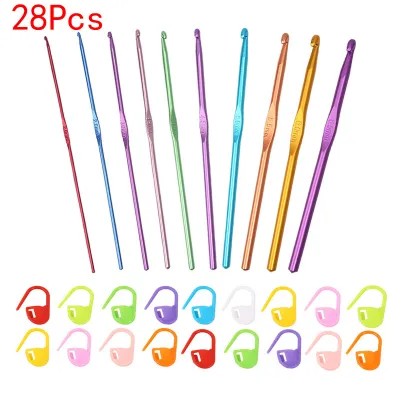
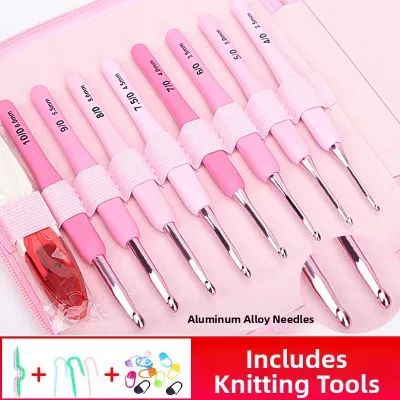
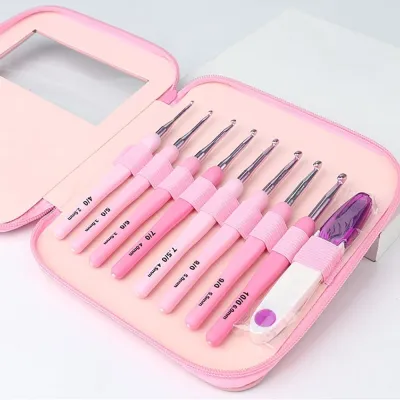
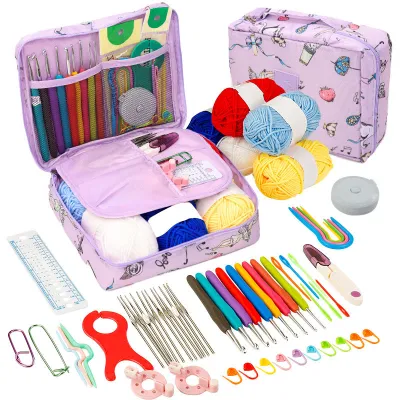
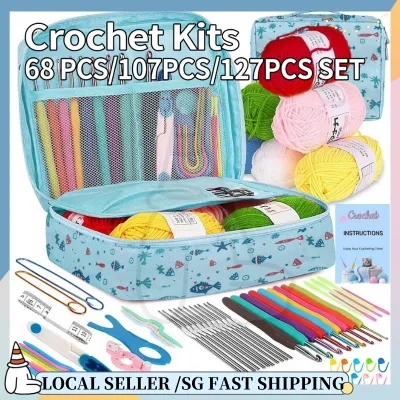
![🇸🇬 [In Stock]Crochet Kit 68 Pcs Set Yarn Knitting Needles Sewing Tools Weave Knit Full Set DIY Crochet Hook Set](https://img.lazcdn.com/g/p/9481930cc2e8b6bf3e586ff4f112cfc5.jpg_400x400q80.jpg_.webp)
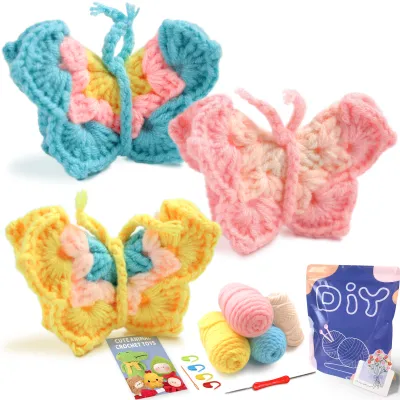
Prices are valid at publication and may change. Please refer to the product page for the latest price.
The ideal beginner “sweet spot” lies between 4.0 mm and 6.0 mm. The most common sizes within this range are:
- 4.0 mm (G/6): Perfect for slightly thinner, double-knitting (DK) yarns.
- 5.0 mm (H/8): The absolute gold standard for beginners, pairing beautifully with medium-weight yarns.
- 6.0 mm (J/10): Excellent for thicker worsted or aran weight yarns, making stitches highly visible.
Working within this middle range is crucial for your learning curve. Hooks smaller than 3.0 mm require highly precise movements, fine yarn, and excellent eyesight, which can easily cause tension headaches and split yarn. Conversely, jumbo hooks larger than 8.0 mm are heavy and unwieldy, requiring thick, heavy yarns that can quickly tire out untrained wrist and hand muscles.
A high-quality starter set should focus heavily on this middle range. When evaluating sets on online marketplaces, look for kits that include 4.0 mm, 4.5 mm, 5.0 mm, 5.5 mm, and 6.0 mm hooks. These sizes will allow you to complete almost any beginner-friendly pattern, from simple dishcloths and scarves to cozy beanies and basic plush toys.
Material Match: Aluminum, Plastic, or Wood?
The material of your crochet hooks determines how much friction exists between the tool and the yarn. This friction directly affects your speed, control, and overall comfort. The three most common materials you will encounter are aluminum, plastic, and wood or bamboo.

Aluminum and Steel Hooks
Aluminum hooks are highly popular for their exceptional durability and perfectly smooth surface. The yarn glides effortlessly over the metal, allowing for fast, fluid stitching. However, this slickness can be a double-edged sword for absolute beginners. If your hands are still learning to maintain consistent tension, the yarn can easily slide off the hook prematurely, leading to dropped stitches. In air-conditioned environments, metal hooks can also feel cold to the touch initially, though they warm up quickly as you hold them.
Plastic and Acrylic Hooks
Plastic hooks are incredibly lightweight and usually the most budget-friendly option. They are comfortable to hold for long periods, but they come with significant drawbacks. Lower-grade plastic hooks often have tiny manufacturing seams along the shaft that can snag and split your yarn. Additionally, plastic can bend or even snap under tight tension, and the material tends to develop a “sticky” or squeaky feel when your hands get warm, slowing down your rhythm.
Wood and Bamboo Hooks
Wood and bamboo hooks offer a warm, organic feel and a slight natural grip. This subtle friction is highly beneficial for beginners because it keeps your loops securely on the hook while you work, preventing accidental unraveling. However, climate is an important factor to consider. In humid tropical environments, untreated wood or low-quality bamboo can absorb moisture over time. This can lead to warping, surface roughness, or even mold if the hooks are stored in damp drawers. If you choose wood, look for polished, sealed bamboo hooks that resist moisture absorption.
For most beginners, a high-quality aluminum hook set offers the best balance of longevity and smooth performance. If you struggle with loops slipping off, transitioning to a polished bamboo hook can provide the extra control you need to build your confidence.
Handle Ergonomics: Preventing Hand Fatigue Early On
Crocheting involves repetitive hand and wrist movements. If your tools do not support your hands properly, you may experience cramping, stiffness, or fatigue within just a few minutes of practice. The design of the hook’s handle and head plays a massive role in preventing this discomfort.
Inline vs. Tapered Hook Heads
Before looking at the handle, observe the shape of the hook’s head and throat:
- Inline Hooks: These feature a pointed head and a deep, straight cut in the throat that aligns perfectly with the shaft. They offer excellent control for pulling yarn through tight stitches but require precise wrist angles.
- Tapered Hooks: These have a rounded head and a shallower, smoother throat. They allow the yarn to glide more fluidly and are generally more forgiving for beginners who are still developing their muscle memory.
Ergonomic Grips vs. Bare Shafts
Traditional crochet hooks are simple, thin metal or plastic sticks with a small, flat thumb rest. While these are inexpensive, they require a tight “pinch” grip to hold securely. This constant pinching quickly leads to strain in the thumb and index finger.
To prevent early fatigue, look for a crochet needle set that features thick, soft ergonomic handles. These handles are typically made of comfortable silicone, elastomer rubber, or molded plastic. The wider grip allows your hand to remain in a more relaxed, open position, reducing the physical strain on your joints. This is especially helpful for beginners, who tend to hold their hooks too tightly out of nervousness.
Avoid sets that consist entirely of thin, bare metal hooks without any handle enhancement. A set with comfortable, colorful rubber grips will keep your hands pain-free, allowing you to practice for longer sessions and build your skills much faster.
Must-Have Accessories vs. Cheap Filler Items
When browsing for a crochet needle set, you will find many options advertised as “100-piece kits” or “ultimate starter packs.” While these large numbers sound impressive, manufacturers often pad these sets with cheap, low-quality filler items to inflate the piece count. It is essential to distinguish between genuine necessities and useless clutter.
The Essentials
A truly functional beginner set must include these core accessories:
- Locking Stitch Markers: These small plastic safety-pin-like clips are non-negotiable. They mark the beginning of your rounds and secure your active loop so your work does not unravel when you put it down.
- Blunt Tapestry Needles: Also called yarn needles, these are used to weave in the loose yarn ends when your project is finished. Look for sturdy metal needles rather than flexible plastic ones, which can bend and make weaving difficult.
- Small, Sharp Scissors: A dedicated pair of compact scissors is essential for cleanly cutting your yarn without fraying the fibers.
- Flexible Measuring Tape: Crucial for checking your gauge and ensuring your projects turn out the correct size.
The Nice-to-Haves
These items are not strictly necessary on day one, but they add genuine value to your crafting experience:
- A Sturdy Zippered Case: Keeping your hooks and small accessories organized in a compact case prevents them from getting lost in your living space.
- Row Counters: A simple mechanical or digital clicker helps you keep track of your progress without having to manually count stitches over and over.
Filler Items to Avoid
Be wary of sets that include tiny, scratchy acrylic yarn skeins, complex circular knitting needles, hairpin looms, or Tunisian crochet cables. These items are often of extremely poor quality and will only distract you from mastering the fundamental stitches. Focus on finding a set that prioritizes high-quality hooks and the four essential accessories listed above.
How to Spot Quality and Avoid Snagging Issues
Because you will likely be purchasing your first set online, you cannot physically hold the hooks before buying. However, you can spot high-quality manufacturing and avoid disappointing purchases by looking for specific details in product listings and user reviews.
First, check how the hook sizes are marked on the tools. Avoid hooks where the sizes are merely painted or printed on the surface, as the friction and oils from your fingers will rub these markings off within a few weeks of use. Instead, look for sets with deeply engraved sizes on the metal shafts or molded, raised numbers on the rubber handles.
Second, pay close attention to the construction of the hooks. The transition from the metal or wooden shaft to the ergonomic handle must be completely seamless. If there is a visible gap, a rough ridge of plastic, or dried glue residue at this joint, your yarn will constantly catch and split as you work. This snagging ruins the yarn fibers and disrupts your rhythm.
Finally, utilize the search function in user reviews on online marketplaces. Search for warning keywords such as “snagging,” “rough edges,” “split yarn,” or “bent.” If multiple buyers complain about rough hook tips or handles sliding off the metal shafts, move on to a different set. A high-quality starter set typically costs between S$15 and S$35; investing in this price range ensures you receive durable, smooth tools that make learning a joy.
Frequently Asked Questions (FAQ)
Can I use knitting needles instead of a crochet hook?
No, knitting needles and crochet hooks are entirely different tools and cannot be used interchangeably. Knitting requires two pointed needles to hold multiple active loops of yarn at the same time to create a fabric. Crochet, on the other hand, uses a single hook to pull a single active loop through other loops, creating a completely different stitch structure. You must use a proper crochet hook to learn and practice crochet.
Do I need to buy a full set or just individual hooks?
For absolute beginners, buying a curated starter set is highly recommended. A set is much more cost-effective than purchasing individual tools and provides a versatile range of sizes to experiment with as you try different yarns. Once you have developed your skills, identified your favorite yarn weights, and established your preferred grip style, you can invest in individual, premium-grade hooks for your most-used sizes.
What yarn weight should I buy to match my first hook set?
To pair with your beginner 4.0 mm to 6.0 mm hook set, you should buy double-knitting (DK), worsted, or aran weight yarn (often categorized as Medium Weight or Category 4). Choose a smooth, tightly spun acrylic or cotton-acrylic blend in a light, solid color. Avoid dark colors, highly textured novelty yarns, or fuzzy mohair, as these make it incredibly difficult to see and count your stitches.

Community discussion
Share your experience or ask a question. Comments are reviewed before publication.