
Selecting your first Chinese brush set is a defining step in your calligraphy or painting journey. For a beginner, the vast array of options available in art shops and online marketplaces can feel overwhelming. Rather than being swayed by decorative wooden boxes or high brush counts, your primary focus should be on finding a balanced, versatile set that teaches you how to control ink and water. A well-chosen starter set provides the tactile feedback necessary to master fundamental strokes, turning what could be a frustrating trial into a rewarding practice.
In Singapore’s warm and humid climate, choosing the right tools involves practical considerations beyond the brush itself. High humidity levels affect how ink dries on paper and how natural materials like bamboo and animal hair behave over time. By understanding the core components of a quality brush, learning how to perform simple physical checks, and selecting the right companion accessories, you can confidently choose a starter set that fits your budget and supports your learning curve.
Core Components of a Beginner Chinese Brush Set
A functional beginner Chinese brush set does not need dozens of specialized tools. Instead, it should offer a curated selection of brushes that allow you to experiment with different stroke dynamics. The most critical factor is the hair type, which dictates how the brush holds ink and responds to the movement of your hand. A versatile starter set typically includes three primary categories of brushes: soft hair, stiff hair, and mixed hair.
Products mentioned in this guide
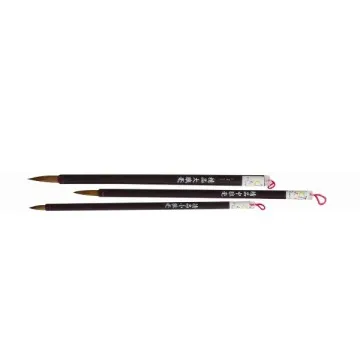
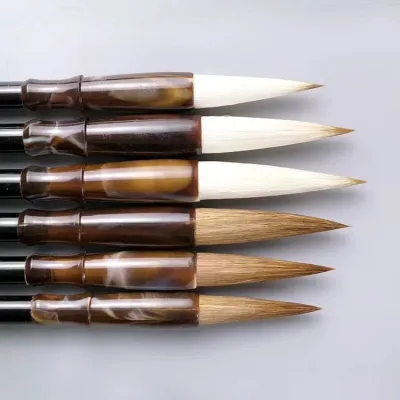
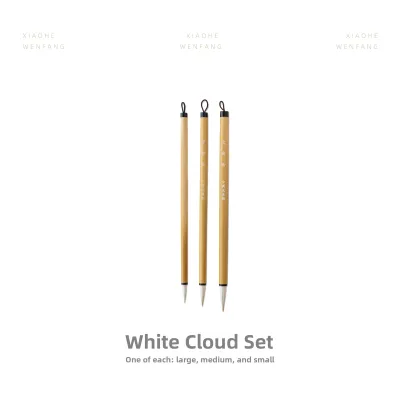
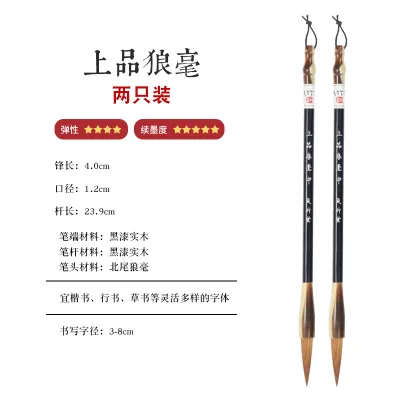
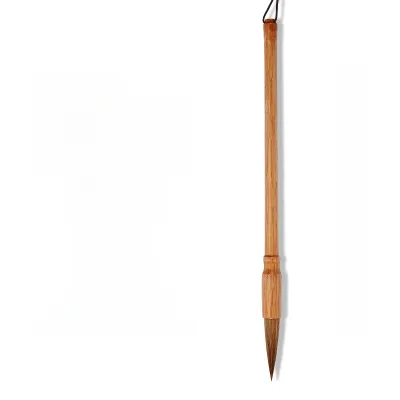
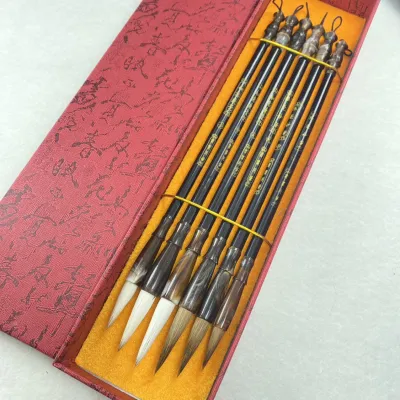
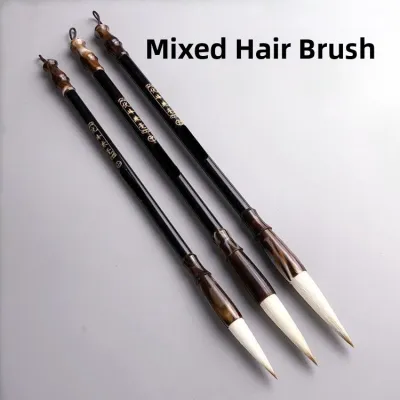
Prices are valid at publication and may change. Please refer to the product page for the latest price.
Soft hair brushes, traditionally made from goat hair (Yanghao), are highly absorbent and flexible. They hold a large volume of ink, allowing for long, continuous strokes, but they lack natural springiness. This makes them challenging for beginners to control, as the brush head does not automatically return to its original shape. Stiff hair brushes, often made from weasel hair (Langhao), offer excellent resilience and a sharp, responsive tip. They spring back quickly, making it easier to execute sharp turns and fine lines, though they hold less ink. Mixed hair brushes (Jianhao), which combine a stiff core with a soft outer layer, offer the best of both worlds and are highly recommended for beginners.
In terms of sizing, a beginner set should provide at least three distinct brush sizes: large, medium, and small. A medium brush is the workhorse of your practice, ideal for writing standard-sized calligraphy characters (typically 5cm to 10cm in size) and painting mid-sized elements like leaves or branches. A large brush is useful for bold strokes and background washes, while a small brush is essential for fine details, signatures, and delicate linework. Prioritizing a set with these three sizes in a mixed-hair configuration ensures you have the versatility needed for foundational practice without the clutter of single-purpose tools.
Observable Quality Checks for Brush Tips and Handles
When evaluating a Chinese brush set, you can assess its quality through a series of physical and visual checks. Traditional Chinese brush making evaluates quality based on the “Four Virtues” of a brush: sharpness, evenness, roundness, and resilience. Translating these traditional standards into practical, observable checks will help you identify a well-made tool before you even dip it in ink.

First, inspect the tip of the brush when it is dry or slightly damp. The tip must taper to a clean, sharp point without any stray hairs splaying outward. Next, check the evenness of the hair alignment by gently pressing the brush head flat against a clean surface; the tips of the hairs should form a perfectly straight, uniform edge. To check for roundness, look at the body of the brush head (the belly) from all angles. It should be plump and symmetrical, indicating that the hair bundle is densely packed and evenly distributed. Finally, test the resilience by gently bending the damp brush tip with your finger; it should spring back to its central axis immediately rather than remaining bent.
Beyond the hair, the handle requires close inspection. Ensure the bamboo or wooden shaft is perfectly straight and balanced in your hand. Roll the handle across a flat table; if it wobbles or curves, the wood may warp further over time, especially in Singapore’s humid environment. Examine the connection point where the hair bundle enters the handle. The ferrule or glue attachment must be secure, with no visible cracks or loose adhesive. Gently tug on the dry hair bundle; a few loose hairs are normal for a brand-new brush, but continuous shedding indicates poor construction and weak binding.
Matching Brush Materials to Your Practice Focus
Your choice of brush materials should align closely with your primary area of study, whether you are focusing on structured calligraphy, expressive ink painting, or a combination of both. Different styles of writing and painting demand different levels of ink retention, stroke control, and springiness from your brush.
If your primary focus is structured calligraphy, such as Standard Script (Kaishu), you will benefit from the structural support of a stiff weasel-hair brush or a resilient mixed-hair brush. These materials allow you to execute precise entry and exit strokes, maintain consistent line widths, and control the sharp corners characteristic of formal scripts. For more fluid, continuous styles like Running Script (Xingshu) or Cursive Script (Caishu), a mixed-hair or soft goat-hair brush is preferable. The high ink capacity of soft hair allows you to write multiple characters in a single, unbroken flow without stopping to reload your brush.
For Chinese ink painting, a combination of brush types is essential. Landscape painting (Shanshui) relies heavily on stiff brushes to create textured rock formations, sharp mountain ridges, and detailed tree branches. Conversely, flower-and-bird painting (Huaniao) utilizes soft brushes to create smooth, blended washes for flower petals and soft foliage. Because performance depends on the interaction between your grip strength, paper absorbency, and ink consistency, beginners should start with a mixed-hair brush to establish a baseline before branching out into highly specialized soft or stiff brushes.
Evaluating Accessories Included in Starter Sets
Many beginner Chinese brush sets are sold as complete kits that include accessories like inkstones, ink, paper, and brush rests. While these bundles offer excellent convenience, it is important to evaluate whether the included items are functional tools or merely decorative filler. A high-quality brush is of little use if paired with poor-quality ink or unsuitable paper.
An inkstone (She Yan or Duan Yan) is used to grind solid ink sticks with water. When evaluating an inkstone in a starter set, prioritize a smooth, fine-grained stone surface over elaborate decorative carvings. The stone should feel like fine slate; if it feels rough like sandpaper, it will damage your ink stick and produce coarse, uneven ink. Many modern starter sets also include a bottle of liquid ink. Ensure this ink is water-soluble, free from harsh chemical odors, and formulated for calligraphy. For paper, look for sets that include semi-sized Xuan paper (Ban Sheng Ban Shu Xuan), which offers moderate absorbency and bleed resistance, making it much easier for beginners to control than highly absorbent raw Xuan paper.
Other practical accessories can significantly improve your daily practice workflow. A felt mat (Huanmao) is essential to place under your paper; it absorbs excess ink, prevents the paper from sticking to your desk, and protects your workspace from stains. A simple ceramic or wooden brush rest keeps your wet brushes from rolling across the table and staining your work. Finally, a bamboo roll-up storage wrap (Babi) is highly recommended for Singapore’s climate. Unlike sealed plastic cases, a bamboo wrap allows air to circulate around the damp brush hairs, preventing mold growth and preserving the shape of the brush head.
Building Your Shortlist and Pre-Purchase Checklist
Before purchasing a Chinese brush set, take the time to compare options and verify product specifications. Whether shopping at a local art supply store in Singapore or browsing online marketplaces, having a structured checklist will help you avoid common purchasing pitfalls and ensure you get a reliable set.
Use this step-by-step checklist to evaluate your options:
- Verify Hair Specifications: Ensure the product description explicitly states the hair type (e.g., goat, weasel, or a specific mixed ratio). Avoid sets labeled generically as "natural hair" or "synthetic blend" without further detail.
- Check Brush Dimensions: Look for clear measurements of the brush head length (tip to ferrule) and diameter. A standard beginner medium brush should have a tip length of approximately 3cm to 4cm and a diameter of 0.8cm to 1cm.
- Assess Accessory Quality: Confirm that the included inkstone is made of real stone and that the paper provided is suitable for practice (such as water-writing cloth or semi-sized paper).
- Review Shipping Protection: Brushes are delicate; ensure the set is packaged with protective caps over the brush tips to prevent bending during transit.
Be cautious of red flags such as unrealistic performance guarantees, suspiciously low prices for large sets (e.g., ten brushes for under S$15), or highly ornate packaging that seems to prioritize aesthetics over tool quality. While a convenient bundled set is an excellent, cost-effective way to test your interest, keep in mind that as your skills progress, you will likely transition to purchasing individual, higher-grade brushes tailored to your evolving style and preferences.
Frequently Asked Questions (FAQ)
How do I prepare a new Chinese brush before its first use?
New Chinese brushes are shipped with the hair bundle coated in a water-soluble starch or sizing to protect the shape of the tip during transit. Before your first practice session, you must gently dissolve this protective coating. Fill a small bowl with room-temperature or lukewarm water and submerge the brush head completely. Let it soak for 5 to 10 minutes until the hairs soften. Gently massage the brush head with your fingers from the base to the tip to break up any remaining starch, then rinse it thoroughly under running water. Never use hot water, as it can melt the glue inside the handle and cause the hairs to fall out. Avoid pulling or tugging on dry, stiff hairs before soaking, as this will break the delicate tips.
Should I buy a pre-made set or assemble my own brushes?
For absolute beginners, a pre-made starter set is highly recommended. These sets are cost-effective, typically ranging from S$25 to S$60, and save you the hassle of sourcing individual components like ink, paper, and felt mats separately. They provide a balanced foundation to help you determine if you enjoy the practice. However, once you understand the basics of stroke control and have identified your preferred style—whether it is detailed painting or bold calligraphy—transitioning to individually selected brushes is the best path forward. Purchasing individual brushes allows you to invest in higher-grade hair materials and specific sizes that match your hand size, grip, and artistic goals.

Community discussion
Share your experience or ask a question. Comments are reviewed before publication.