
Starting your crochet journey is an exciting step into a world of texture, color, and hands-on creativity. As you gather your first supplies, the sheer variety of tools can feel overwhelming, especially when deciding on the material of your very first crochet hook. While metal and plastic options are widely available, bamboo has emerged as a highly recommended choice for those just learning the craft. This natural material offers a unique balance of grip, weight, and warmth that can make the initial learning curve much smoother. Selecting the right bamboo hook involves understanding how its physical properties interact with your yarn, your hands, and your local environment. By focusing on key factors like sizing, handle design, and material quality, you can choose a tool that supports your learning process and keeps your hands comfortable through hours of practice.
Why Bamboo Works Well for Beginner Crocheters
Bamboo crochet hooks are particularly well-suited for beginners because of the natural texture of the wood. Unlike highly polished aluminum or plastic hooks, which can be incredibly slick, bamboo possesses a subtle surface friction. This gentle resistance helps hold your yarn in place, reducing the likelihood of stitches accidentally slipping off the hook while you are still figuring out how to maintain consistent tension. For a novice whose hands might shake or feel clumsy, this extra control can prevent a lot of frustration.
Another significant advantage of bamboo is its lightweight nature and thermal properties. Metal hooks can feel cold to the touch when you first pick them up, and they can sometimes feel heavy during long practice sessions. Bamboo, on the other hand, is warm to the touch and adapts quickly to your body temperature. It is incredibly light, which minimizes hand and wrist fatigue as you spend hours repeating basic stitches to build muscle memory.
Products mentioned in this guide
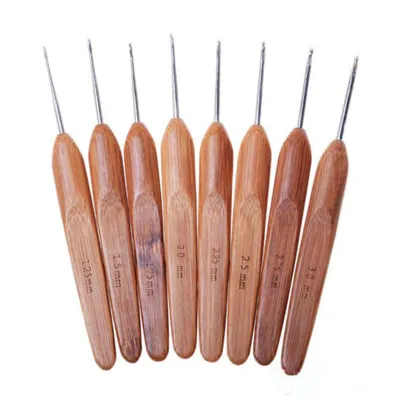
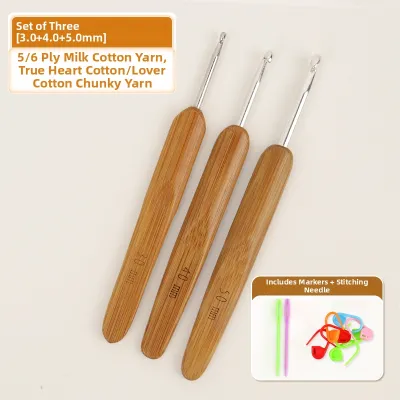
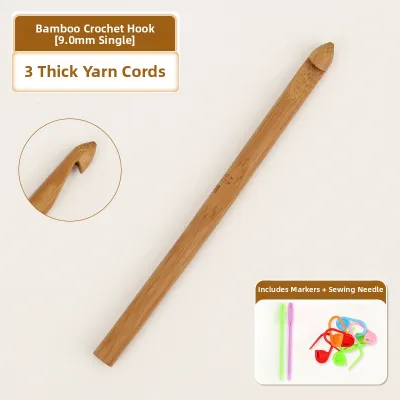
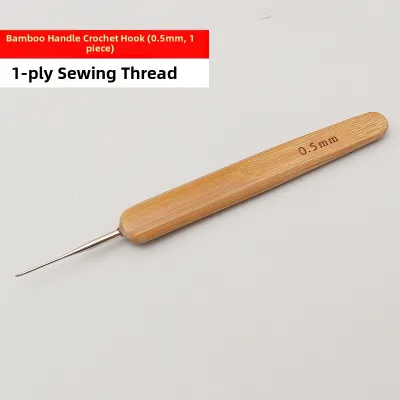
Prices are valid at publication and may change. Please refer to the product page for the latest price.
However, it is important to recognize the limitations of bamboo before making your purchase. Because it is an organic material, bamboo is more flexible than metal, which means it can warp or even snap if subjected to excessive tension or heavy-handed pulling. Additionally, if a bamboo hook is not finished correctly during manufacturing, it can have microscopic splinters or rough patches that snag delicate yarn fibers. Understanding these characteristics helps you handle your tools with the appropriate level of care.
Matching Hook Size to Your First Yarn
Selecting the correct hook size is crucial for your first projects, as using mismatched tools can make learning to crochet unnecessarily difficult. When you purchase a skein of yarn, the paper band wrapped around it—known as the ball band—contains essential information, including a recommended hook size range. This is usually represented by a small graphic of a crochet hook alongside a measurement in millimeters. For your very first project, following this recommendation closely ensures that your stitches will be neither too tight to work into nor too loose to hold their shape.

For absolute beginners, starting with a medium-weight yarn is highly recommended. Worsted weight or Aran weight yarns are thick enough to see clearly but not so bulky that they become difficult to maneuver. These yarn weights typically pair best with bamboo hooks in the 5.0 mm to 6.0 mm range (often labeled as H-8 to J-10 in some sizing systems). Working within this middle-ground size range allows you to clearly identify the “V” shapes of your stitches, making it much easier to count your rows and place your hook correctly.
While it might be tempting to buy a massive, inexpensive multi-piece hook set online, starting with a single high-quality hook or a small, curated set of three common sizes is often a wiser investment. Large, unverified sets frequently suffer from poor quality control, resulting in rough finishes and inaccurate millimeter sizing. By focusing your budget on one or two well-made bamboo hooks in the 5.0 mm to 6.0 mm range, you ensure a much smoother, snag-free learning experience that keeps you motivated to continue.
Choosing the Right Handle and Grip Style
The shape of your crochet hook’s handle directly impacts how long you can comfortably practice without experiencing hand cramps. Traditional bamboo hooks feature a straight, uniform shaft from the tip to the base. These classic designs are incredibly lightweight and allow for a lot of flexibility in how you position your fingers. However, some beginners find that a completely straight, thin shaft requires them to grip the hook too tightly, leading to tension in the hand and wrist.
To address this, many modern bamboo hooks incorporate ergonomic handles made from materials like soft rubber, silicone, or smooth resin, with only the functional hook portion made of bamboo. These hybrid designs provide a thicker, contoured surface that conforms to the natural curve of your hand. If you have joint sensitivity, arthritis, or simply find yourself gripping your tools with a lot of force, prioritizing a hook with a cushioned, ergonomic handle can significantly improve your comfort during extended sessions.
Your choice between a straight shaft and an ergonomic handle often depends on your personal grip style. Most crocheters naturally fall into one of two categories: the “knife hold,” where the hook rests in the palm of the hand with the index finger guiding the top, or the “pencil hold,” where the hook is held between the thumb and index finger like a writing utensil. Crocheters who use the knife hold often prefer thicker, contoured ergonomic handles because they fill the palm comfortably. Conversely, those who use the pencil hold may prefer lighter, straight bamboo shafts that allow for delicate, precise movements close to the tip.
Quality Checks: What to Inspect Before Buying
When shopping for a bamboo crochet hook, performing a physical inspection can save you from the frustration of working with a defective tool. Start by examining the throat and the bowl of the hook—the curved area just below the tip. This section must be carved smoothly and finished with a clean, protective seal. If the throat is too shallow or has rough, unfinished edges, the yarn will not glide smoothly, causing it to split or catch every time you try to pull a loop through a stitch.
Next, look closely at the shape of the tip. A good beginner hook should have a moderately rounded tip. If the tip is too sharp, it can easily pierce through the individual plies of your yarn rather than sliding cleanly between the stitches, leading to messy, split yarn. If the tip is too blunt, you will struggle to push the hook through your starting chain or tight stitches, which can quickly tire out your hands.
You can perform a simple tactile test by running your finger gently along the entire length of the shaft. The wood should feel completely smooth, with no raised grain, splinters, or rough seams. If you are inspecting a hook in a physical store, you can also run a clean cotton ball over the surface; if any cotton fibers catch on the wood, it is a clear sign that the hook requires further polishing or has a compromised finish.
Finally, if you are choosing a hybrid hook where the bamboo shaft is inserted into a separate ergonomic handle, pay close attention to the transition point. The connection should be completely seamless and secure, with no visible gaps or excess glue. A loose connection can cause the hook to wobble while you work, which disrupts your rhythm and can eventually lead to the shaft detaching from the handle entirely.
Building Your Starter Shortlist
To help you navigate your first purchase, it is helpful to match your specific needs to a particular style of bamboo hook. If you are a standard beginner working with a classic medium-weight acrylic or wool yarn, your best option is a mid-range, straight bamboo hook in a 5.0 mm or 5.5 mm size. This classic setup provides the ideal balance of natural friction and simplicity, allowing you to focus entirely on learning the basic movements of the craft.
If you are someone who experiences hand fatigue quickly, or if you know you tend to hold your tools with a very tight grip, you should look for a hybrid bamboo hook featuring a thick, contoured ergonomic handle. This style reduces the strain on your fingers and allows you to maintain a relaxed grip. Look for handles made of non-slip materials that feel comfortable in your palm, ensuring that the bamboo tip itself remains smooth and lightweight.
For those who prefer working with slippery, silky yarns like mercerized cotton or bamboo-blend fibers, an uncoated or matte-finished bamboo hook is highly beneficial. The slightly higher friction of a matte finish prevents these slippery yarns from sliding off the hook prematurely, giving you much greater control over your stitches. When sourcing these tools, remember to verify the seller’s reputation, check return policies, and inspect the physical items at local craft stores in Singapore to ensure you are getting a genuine, well-crafted product.
Caring for Bamboo Hooks in Singapore's Climate
Because bamboo is a natural, porous material, it is highly sensitive to environmental conditions, particularly the tropical climate of Singapore. High ambient humidity can cause raw or poorly sealed wood to absorb moisture, leading to swelling, warping, or even the growth of mold. To protect your hooks, store them in a dry, well-ventilated area, preferably inside a fabric roll or a dedicated pencil case with a small silica gel packet to absorb excess moisture.
Conversely, extreme temperature fluctuations can also damage bamboo. Avoid leaving your crochet hooks in direct sunlight, such as on a sunny windowsill, or directly in the path of strong air-conditioning drafts. Rapid drying can cause the wood to contract too quickly, leading to hairline cracks or splitting along the grain. Keeping your tools stored at a relatively stable indoor temperature will prolong their lifespan significantly.
When it comes to cleaning, water is the enemy of bamboo. Never soak your hooks or wash them under running water, as this can ruin the protective factory finish and raise the wood grain, making the surface rough. Instead, simply wipe your hooks down with a clean, dry microfiber cloth after each use to remove any oils from your hands. If a hook becomes sticky, a very slightly damp cloth can be used, followed immediately by thorough drying with a soft towel.
Frequently Asked Questions (FAQ)
Do bamboo crochet hooks break easily?
Bamboo is remarkably strong and resilient for its weight, but it is not indestructible. Breakage typically occurs when a hook is subjected to excessive leverage, such as when working with extremely tight stitches or trying to force a small hook through heavy, bulky yarn. Dropping a thin bamboo hook onto a hard tile floor can also cause it to crack or chip. To prevent snapping, always use the correct hook size for your yarn weight, maintain a relaxed tension, and store your hooks safely in a protective case when they are not in use. If you notice any bending or hairline fractures along the shaft, it is best to replace the hook to avoid snagging your yarn.
Can I sand a rough bamboo hook myself?
While it is possible to perform minor DIY touch-ups, caution is highly recommended. If your hook has a very minor rough spot, gently buffing the area with an ultra-fine abrasive pad or a soft cloth can sometimes restore the smooth finish. However, using coarse sandpaper is likely to strip away the protective factory sealant entirely, exposing the raw bamboo underneath. Once this sealant is gone, the wood becomes highly vulnerable to moisture, hand oils, and dirt, which can make it rougher over time. If a bamboo hook has deep splinters or significant structural damage, it is safer and more effective to replace the tool rather than attempting to sand it down.

Community discussion
Share your experience or ask a question. Comments are reviewed before publication.