
Selecting the right upholstery fabric is the difference between a piece of furniture that looks pristine for a decade and one that sags, pills, or stains within months. Unlike apparel or drapery, upholstery fabric must endure constant physical tension, body heat, friction, and spills. To determine if a fabric is truly suitable for upholstery, you must evaluate its structural integrity, abrasion resistance, cleanability, and environmental compatibility.
By understanding how to read technical specifications and perform simple physical checks on fabric swatches, you can confidently select a material that matches your household’s daily demands. Whether you are restoring a vintage armchair or customizing a new family sofa, focusing on these core material properties will ensure your investment stands the test of time.
Understanding Durability and Abrasion Resistance
To assess how well a fabric will withstand daily friction, you must look at standardized abrasion test ratings. Manufacturers subject upholstery fabrics to mechanical wear tests to simulate years of use. The two most common standards are the Wyzenbeek method, widely used in North America, and the Martindale method, prevalent in Europe and international markets. Both tests measure durability through repetitive rubbing cycles, but they use different mechanical motions and abrasive materials.
Products mentioned in this guide
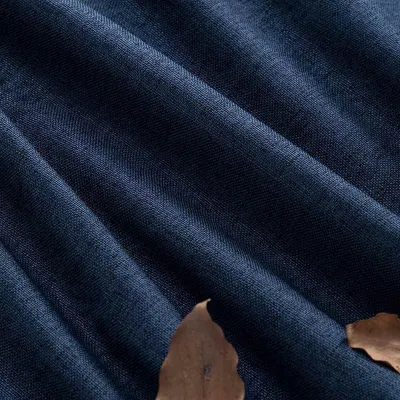
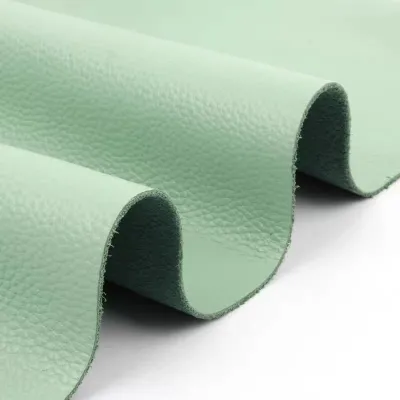
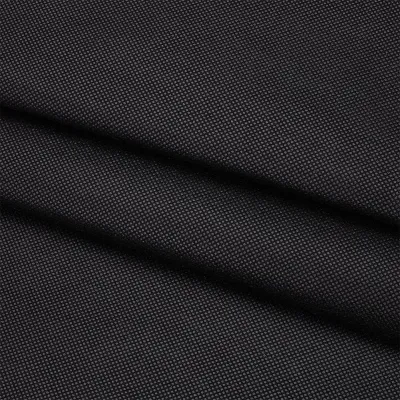
Prices are valid at publication and may change. Please refer to the product page for the latest price.
On a fabric specification sheet, Wyzenbeek results are listed as “double rubs,” while Martindale results are listed as “cycles.” For light residential use, such as on formal accent chairs that are rarely sat upon, a rating of 9,000 to 15,000 double rubs is generally sufficient. Medium-duty residential spaces, like dining chairs or home offices, require 15,000 to 30,000 double rubs. For high-traffic family room sofas, heavy-duty fabrics rated at 30,000 double rubs or higher are highly recommended to prevent premature thinning and thread bareness.
Beyond laboratory numbers, you can observe physical structural factors that indicate inherent durability. Tightness of weave is one of the most reliable indicators of physical resilience. When holding a fabric swatch up to the light, a tight, dense weave will let very little light pass through, whereas a loose weave will show visible gaps between the yarns. Loose weaves, such as heavy tweeds or open basketweaves, are highly susceptible to snagging from pet claws, jewelry, and clothing fasteners.
Yarn thickness and pile density also play critical roles in wear resistance. Fabrics with flat, tightly spun yarns tend to resist abrasion better than those with highly textured, loosely spun yarns. For pile fabrics like velvet or chenille, a high pile density is essential. If you bend a velvet swatch backward and can easily see the backing fabric underneath, the pile is sparse and will likely crush, bald, or show wear patterns quickly under regular use.
Evaluating Cleanability and Stain Resistance
Everyday life brings spills and dirt, making cleanability a primary consideration for any upholstered piece. To guide your maintenance routine, manufacturers assign standard upholstery cleaning codes to their fabrics. These codes are typically found on the fabric bolt, sample tag, or online specification sheet, and they dictate exactly what types of cleaning agents are safe to use without damaging the fibers or backing.

The cleaning codes are divided into four distinct categories:
- W (Water-based): The fabric can be cleaned with water-based cleaning agents, such as mild soap and water solutions or water-based upholstery shampoos.
- S (Solvent-based): The fabric must only be treated with water-free, solvent-based dry-cleaning solvents. Using water on these fabrics can cause permanent water rings, shrinkage, or dye bleeding.
- WS (Water/Solvent-based): This versatile rating indicates the fabric can be safely cleaned with either water-based agents or dry-cleaning solvents, depending on the nature of the stain.
- X (Vacuum only): The fabric is highly delicate and cannot tolerate any liquid cleaning agents. It must only be cleaned by gentle vacuuming or light brushing.
Fiber composition directly influences how a fabric handles liquid absorption and stain retention. Natural fibers like cotton, linen, and wool are highly hydrophilic, meaning they readily absorb moisture. While they offer a comfortable, breathable feel, they also drink up spills quickly, allowing stains to penetrate deep into the fiber core where they become difficult to remove. Synthetic fibers like polyester, nylon, and acrylic are naturally hydrophobic, meaning they resist liquid absorption, dry quickly, and allow spills to sit on the surface longer, giving you more time to blot them away.
Many modern fabrics feature factory-applied stain-resistant treatments or performance coatings. While these treatments are highly effective at repelling liquids and preventing immediate staining, they have physical limitations. The protective barrier is not permanent; physical friction from daily sitting and repeated cleaning cycles will gradually wear the treatment away. When caring for treated fabrics, it is crucial to follow the manufacturer’s specific instructions, as harsh chemical cleaners can strip the protective coating prematurely.
Checking Structural Integrity and Upholstery Suitability
An upholstery fabric must possess the physical strength to be pulled tightly over a wooden or metal furniture frame without tearing, stretching out of shape, or sagging over time. This structural integrity is largely determined by the fabric’s weight and the presence of a stabilizing backing material. True upholstery fabrics are significantly heavier than drapery or apparel fabrics, often featuring a knit, acrylic, or latex backing sprayed onto the reverse side to lock the woven yarns in place.
You can perform simple, observable checks on physical fabric swatches to evaluate their structural stability before purchasing. To check for seam slippage, take a small swatch, fold it in half, and pull firmly on both sides of the fold. If the yarns easily slide apart, leaving visible gaps or exposing the warp and weft threads, the fabric is prone to seam slippage. This means the seams on your finished cushions are highly likely to pull apart and split under the tension of normal seating.
Edge fraying is another critical factor to observe. Rub the cut edge of a fabric swatch vigorously between your fingers. If the edge immediately unravels into a mess of loose threads, the fabric will require specialized handling, such as serging or overlocking the edges, during the upholstery process to prevent the seams from failing. If you notice excessive fraying or a lack of structural recovery during your swatch checks, it is wise to verify the fabric’s tension limits and suitability with a professional upholsterer.
Matching Fabric Properties to Your Specific Environment
To make a successful final selection, you must synthesize the fabric’s physical properties with the unique environmental conditions of your room. Sunlight exposure is a major factor that can rapidly degrade furniture. If your sofa will sit near a large window, UV rays can fade dyes and weaken natural fibers like silk and cotton. For these sun-drenched areas, check the manufacturer’s specifications for colorfastness to light, which is rated on a scale from 1 to 5; a rating of 4 or 5 indicates high resistance to UV fading.
In humid tropical environments, such as Singapore, moisture resistance and airflow are critical considerations. High humidity can cause dense, non-breathable fabrics to trap moisture and body heat, leading to an uncomfortable seating experience and creating a breeding ground for mold, mildew, and musty odors. In these climates, choosing breathable weaves or synthetic blends with inherent moisture-wicking and antimicrobial properties will help keep your furniture fresh and comfortable.
Finally, balance the aesthetic requirements of your furniture shape with the physical performance of the fabric. Intricate furniture designs with deep tufting, tight curves, or complex contours require a fabric with excellent drape and pliability, such as lightweight velvets or soft wool blends, which can conform to the frame without bunching. Conversely, clean-lined, modern furniture with flat cushions is better suited for stiff, heavy-duty performance fabrics that maintain a crisp, tailored appearance under heavy daily use.
Frequently Asked Questions (FAQ)
Can I use regular curtain or apparel fabric for upholstery?
No, regular curtain and apparel fabrics are generally unsuitable for upholstery projects. They lack the heavy weight, dense weave, and stabilizing backing required to withstand the high tension of being stretched over a furniture frame. Under the friction of daily sitting, lightweight fabrics will quickly stretch out, sag, pill, and tear at the seams. Using them on high-use furniture often results in rapid structural failure and premature wear.
How do I test a fabric sample for durability at home?
While home tests cannot replace standardized laboratory ratings, you can perform simple checks on a fabric swatch. Rub two pieces of the fabric together vigorously thirty times to check for immediate pilling or fiber shedding. Scratch the surface with a fingernail to see if the yarns snag or shift easily. Finally, stretch the swatch diagonally and release it; a high-quality upholstery fabric should immediately snap back to its original shape without leaving a distorted, wavy edge.

Community discussion
Share your experience or ask a question. Comments are reviewed before publication.