
Choosing the right zip repair kit in Singapore depends on identifying your zipper’s specific track type, measuring the slider size, and matching the kit’s components to the physical demands of your item. Whether you are restoring a humidity-exposed backpack, a lightweight office cardigan, or a heavy-duty travel suitcase, verifying compatibility before purchasing prevents further damage to the fabric. Taking a systematic approach to diagnosing the issue ensures you select a kit that provides a lasting, functional repair rather than a temporary fix.
Diagnose the Zipper Issue and Track Type
Before purchasing a repair kit, it is essential to determine if the zipper is actually salvageable. Fixable issues include a slider that has slipped off one side of the track, a broken or cracked slider body, detached top or bottom stops, or a track that separates behind the slider as you pull it. These issues can typically be resolved by replacing the slider or the stops. Conversely, unfixable issues include torn fabric tape, teeth that have completely pulled away from the fabric backing, or extensively warped tracks. If the fabric tape is compromised, a repair kit will not work, and the entire zipper assembly must be replaced.
Next, identify the track material, as sliders are not interchangeable across different track designs. Coil zippers, often made of nylon or polyester, feature continuous plastic loops that spiral along the tape. They are highly flexible and commonly found on light clothing, inner bag pockets, and cushions. Vislon zippers consist of individual molded plastic teeth fused directly onto the tape, offering a chunkier, rugged look typical of outdoor jackets, sports bags, and life vests. Metal zippers feature individual metal teeth clamped onto the tape, standard for jeans, heavy leather jackets, and premium handbags.
Products mentioned in this guide
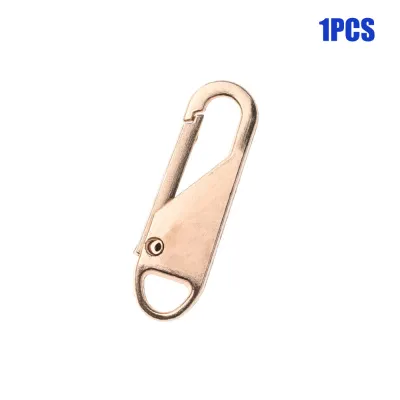
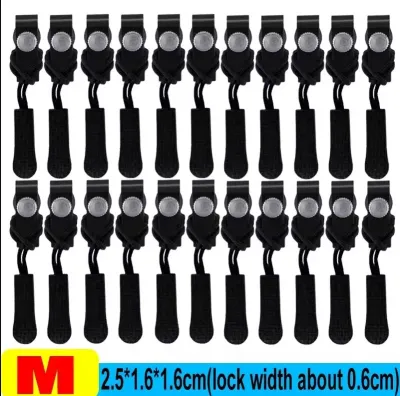
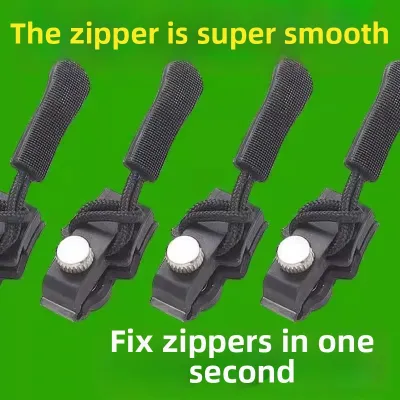
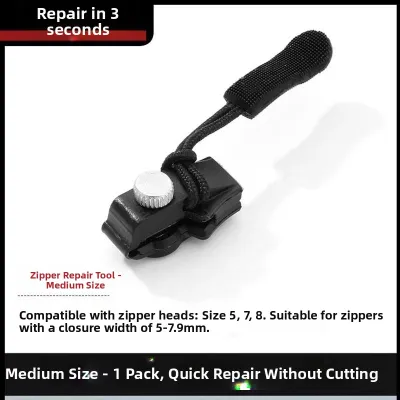
Prices are valid at publication and may change. Please refer to the product page for the latest price.
To find the correct replacement size, inspect the back or underside of the original slider. Manufacturers often stamp a number there, such as #3, #5, or #8. This number indicates the approximate width of the closed zipper teeth in millimeters. If the marking has worn off, you will need to measure the track width manually to ensure a proper fit.
Match the Kit to Your Repair Scenario
For delicate items like cardigans, dresses, jeans, or small purses, look for kits containing small, discreet sliders, typically in sizes #3 or #4. These kits should offer color-matched coil sliders to blend seamlessly with the fabric. Because these items experience low physical tension, lightweight sliders are sufficient, but they must match the exact track type to glide smoothly without snagging. In Singapore’s warm climate, lightweight jackets and office cardigans are frequently washed, so ensure the replacement parts can withstand regular laundering without losing their finish.

Commuter backpacks and travel suitcases face significant tension, especially when packed tightly for travel or daily transits. For these, select a kit featuring robust metal or large vislon sliders in sizes #5 to #8. Ensure the kit includes reinforced metal bottom stops to prevent the slider from running off the track under heavy loads. The replacement parts must be durable enough to handle the constant pulling and stress of daily commuting.
Singapore’s high humidity and sudden tropical downpours demand highly durable materials for outdoor gear. When repairing tents, sleeping bags, or hiking packs, prioritize kits with weather-resistant sliders, such as treated zinc alloy or stainless steel, which resist corrosion from moisture and salt air. Look for double-sided sliders for tent doors or sleeping bags so they can be operated easily from both inside and outside. Large-grip sliders are also beneficial for easy handling in wet or muddy conditions.
Key Kit Components to Verify Before Buying
Do not assume a “universal” kit fits every zipper. Verify that the kit explicitly lists compatibility with your specific track type (coil, vislon, or metal) and size. A slider designed for a metal track will not function correctly on a nylon coil track, even if they share the same size number. Check the product specifications carefully to ensure the kit contains the exact configuration you need.
Installing replacement sliders and stops requires specific tools. Check if the kit includes essential application tools, such as mini needle-nose pliers for crimping stops, threaders, or precision screwdrivers for screw-on universal sliders. If you do not already own these tools, buying a complete kit that includes them is highly practical and saves you from having to purchase tools separately.
To ensure longevity, especially in humid environments, check the manufacturer’s material specifications. Look for sliders made of solid zinc alloy or stainless steel. Avoid relying on vague marketing terms like “heavy-duty” or “rust-proof” without verifying the actual material composition on the product label. High-quality materials prevent the replacement slider from corroding or snapping under pressure.
Application Tips and Cross-Scenario Limits
While multi-use or universal kits are widely available on online marketplaces, they have physical limits. A single kit rarely performs perfectly across both a delicate silk dress and a heavy canvas backpack. The tools and slider weights required for these tasks are fundamentally different, so it is often better to purchase a scenario-specific kit. Attempting to use an oversized slider on a delicate track can tear the fabric, while a lightweight slider on a heavy bag will quickly fail.
When performing the repair, carefully follow the manufacturer’s step-by-step instructions. Use gentle, steady pressure when crimping metal stops with pliers to avoid tearing the surrounding fabric tape. Forcing a misaligned slider onto a track can permanently damage the teeth, turning a simple slider replacement into a costly full-zipper replacement. Take your time to align the teeth properly before securing the stops.
If the zipper track is warped, the fabric tape is frayed, or the teeth continue to separate after multiple slider adjustments, cease DIY attempts. At this point, continuing may ruin the item entirely. Consult a professional tailor or specialized gear repair service in Singapore to have the entire zipper assembly replaced safely.
Frequently Asked Questions (FAQ)
Can I mix metal sliders with plastic zipper tracks?
No. The internal channel shape of a slider is engineered specifically to guide either metal teeth, molded plastic teeth, or nylon coils. Using a metal-track slider on a plastic coil or vislon track will cause the mechanism to jam, strip the plastic teeth, or fail to close the zipper entirely. Always match the slider material design to the track type.
How do I size a slider if the original has no markings?
If the original slider lacks a stamped number or is missing entirely, you can determine the size by measuring the closed zipper teeth. Use a ruler or precision calipers to measure the width of the teeth when they are zipped together, in millimeters. For example, a width of approximately 5 mm corresponds to a size #5 zipper. Compare this measurement to the sizing chart provided on the repair kit’s packaging.

Community discussion
Share your experience or ask a question. Comments are reviewed before publication.