
Selecting the correct YKK zipper for a bag project requires matching the zipper’s material, size, and mechanical features to the weight of your fabric and the structure of your bag. Choosing the wrong variant can lead to split teeth, jammed sliders, or a distorted bag shape. By identifying your bag’s primary function and verifying the manufacturer’s specifications, you can ensure a smooth, durable closure that lasts the lifetime of your project.
Understanding YKK Zipper Types for Different Bag Styles
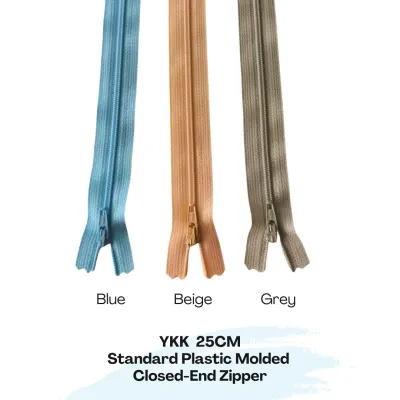
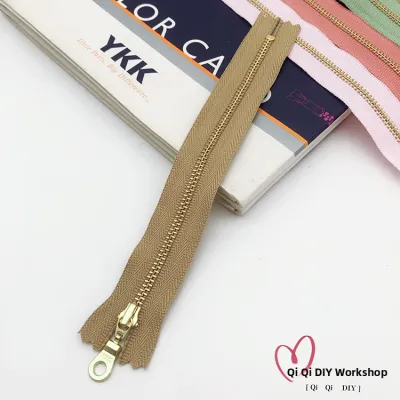
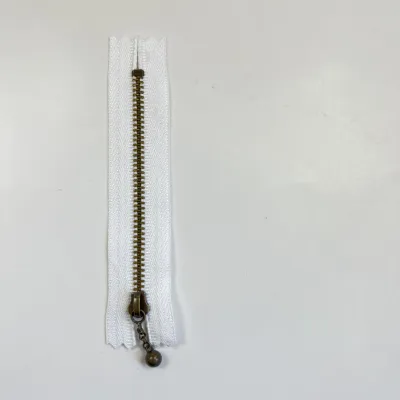
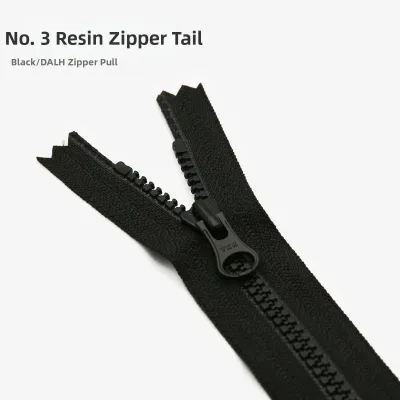
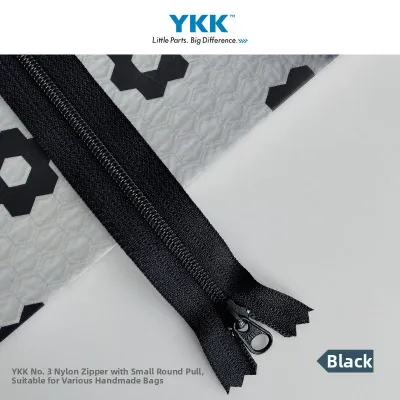
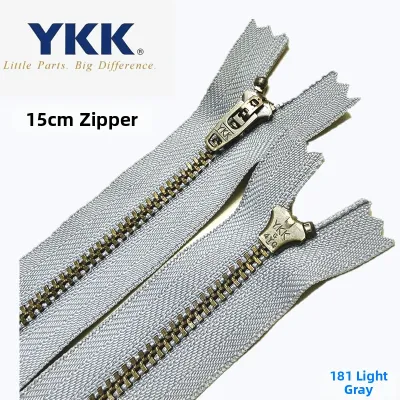
YKK zippers are categorized primarily by the material used to construct the teeth: nylon coil, molded plastic, and metal. Nylon coil zippers are highly flexible, lightweight, and resistant to horizontal tension, making them excellent for curved openings, inner pockets, and lightweight cosmetic pouches. Molded plastic zippers feature individually injected plastic teeth that offer a sporty aesthetic and excellent resistance to outdoor elements, which suits casual backpacks, duffels, and activewear bags. Metal zippers, constructed from brass, aluminum, or nickel, provide a classic, premium look and high durability for heavy-duty canvas totes, leather handbags, and structured briefcases.
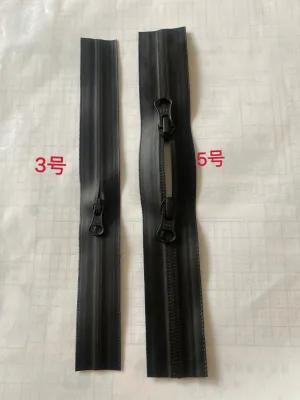
To ensure the zipper teeth can handle the stress of daily use without separating, check the manufacturer’s fabric weight guidelines. Heavyweight fabrics like denim, canvas, or leather require robust metal or thick molded plastic zippers to prevent the teeth from pulling apart under load. Conversely, lightweight fabrics like silk, satin, or thin cotton linings pair well with delicate nylon coil zippers to avoid puckering or dragging down the fabric. Specialized variants, such as water-resistant polyurethane-coated zippers or invisible zippers, require specific sewing techniques, precise seam allowances, and specialized presser feet to ensure they function correctly without catching on the surrounding fabric.
Products mentioned in this guide
Prices are valid at publication and may change. Please refer to the product page for the latest price.
Decoding YKK Zipper Sizes and What the Numbers Mean
When browsing YKK zippers, you will encounter size numbers such as #3, #5, #8, or #10. It is a common misconception that these numbers refer to the width of the fabric tape or the overall length of the zipper. In reality, the size number indicates the approximate width of the zipper teeth in millimeters when the zipper is closed. For example, a #5 zipper has teeth that measure approximately 5 mm across when zipped shut. Understanding this distinction helps you select a zipper that matches both the structural needs and the visual proportions of your bag.

Different bag categories generally align with specific zipper sizes to balance strength and aesthetics. Smaller sizes, such as #3, are ideal for delicate interior zippered pockets, coin purses, and lightweight linings where a bulky zipper would add unnecessary weight. Medium sizes, particularly #5, serve as the industry standard for the main compartments of everyday handbags, tote bags, and medium-sized backpacks, offering a reliable balance of durability and flexibility. Larger sizes, such as #8 and #10, are reserved for heavy-duty applications like travel luggage, large duffel bags, and outdoor gear where the closure must withstand significant packing pressure and rough handling. To ensure a precise fit, measure the teeth width of an existing bag with similar dimensions or consult your sewing pattern’s hardware specifications rather than guessing based on the overall tape width.
Matching Zipper Features to Your Bag Construction Needs
Beyond the teeth material and size, the overall configuration of the zipper chain determines how your bag opens and closes. Closed-end zippers, which feature a metal or plastic stop at both ends to prevent the slider from running off the track, are the standard choice for pockets, pouches, and main bag compartments that do not need to separate completely. Open-end or separating zippers, commonly found on jackets, are rarely used in bag making unless you are constructing a modular bag with detachable compartments. Two-way zippers, which feature two sliders on a single track, are highly useful for large duffels, backpacks, and travel bags, allowing the user to access the contents from either end without opening the entire bag.
The type of slider you choose also impacts the bag’s usability and security. Auto-lock sliders feature a small internal pin that locks the slider in place when no force is applied to the pull tab, preventing the zipper from creeping open under lateral tension. This is particularly useful for backpacks and activewear bags that experience constant movement. Non-lock sliders, on the other hand, slide freely along the teeth and are preferred for handbags and cosmetic pouches where quick, effortless opening is desired. If you plan to customize your bag with decorative leather pulls, metal charms, or cord loops, verify the clearance of the slider’s pull tab eyelet to ensure your custom attachment fits through the opening without binding.
Step-by-Step Selection Checklist for Your Project
To streamline your purchasing process and avoid mistakes, follow a systematic checklist before buying your hardware. First, identify your bag’s style and fabric weight to determine whether you need a flexible nylon coil, a rugged molded plastic, or a classic metal zipper. Second, select the appropriate size number based on the bag’s dimensions, opting for #3 for pockets and #5 or larger for main openings. Third, confirm the required end type—usually closed-end for bags—and choose between a locking or non-locking slider depending on the expected lateral tension.
When in doubt, it is always safer to purchase a zipper that is slightly longer than your pattern specifies. Shortening a zipper to the exact length required is a straightforward process, whereas extending a zipper that is too short is impossible. Keep in mind that shortening methods vary depending on whether you are working with nylon coil or metal teeth. Finally, always check the product label or supplier specifications for the exact tape width and length tolerances, as slight variations can affect your seam allowance and the overall alignment of your bag panels.
Frequently Asked Questions (FAQ)
How do I shorten a YKK zipper that is too long for my bag?
To shorten a YKK zipper safely, you must establish a new bottom stop to prevent the slider from running off the teeth. For nylon coil zippers, you can sew a secure bar tack across the coils at your desired length using a heavy-duty polyester thread and a wide zigzag stitch, then cut away the excess tape about 1.5 centimeters below the new stop. For metal zippers, use pliers to gently pry off the metal teeth below your target length, slide a replacement metal stop onto the tape, and crimp it tightly in place with pliers before trimming the excess tape. Always leave a small tape allowance to sew securely into your bag’s seam.
Can I use a regular zipper foot to sew an invisible YKK zipper?
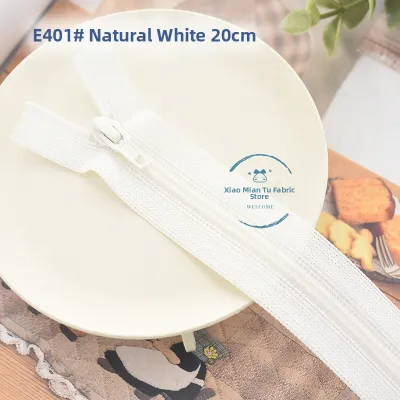
While a standard zipper foot can be used in a pinch, it is highly recommended to use a dedicated invisible zipper foot for installing an invisible YKK zipper. A standard zipper foot cannot get close enough to the coiled teeth because it lacks the specialized grooves underneath that unroll and hold the coil out of the way during stitching. Attempting to use a standard foot often results in stitching too far from the coil, which leaves the zipper tape visible, or stitching directly into the coil, which jams the slider. Ensure your sewing machine’s needle position is adjusted correctly to clear the foot’s center opening before sewing.

Community discussion
Share your experience or ask a question. Comments are reviewed before publication.