
Choosing the right yarn is the most critical decision you will make when starting your crochet journey. The ideal combination for a beginner’s first project is a Medium/Worsted weight (Category 4) or DK/Light Worsted weight (Category 3) yarn, made from acrylic, a cotton blend, or a wool blend. These specific options provide excellent stitch visibility, are comfortable to hold, and are highly forgiving of mistakes. Selecting the wrong materials—such as yarn that is too thin, excessively fuzzy, or too dark—is the primary reason many beginners experience frustration and abandon their first projects. By focusing on a few key structural properties, you can set yourself up for a smooth, enjoyable, and successful learning experience.
Using appropriate yarns for crochet ensures that your stitches remain clear and manageable. When you are first learning, your brain is busy tracking multiple physical actions simultaneously, from holding the hook to managing yarn tension. Starting with a forgiving yarn allows you to focus on mastering basic stitches without fighting your materials.
Understand How Yarn Weight and Fiber Affect Your Crochet
Yarn weight refers to the thickness of the yarn strand, rather than the physical weight of the ball or skein. This thickness directly dictates the size of the crochet hook you will need and determines how quickly your project will grow. Thicker yarns require larger hooks, which are physically easier for beginners to grip and manipulate, reducing hand strain during long practice sessions.
Products mentioned in this guide
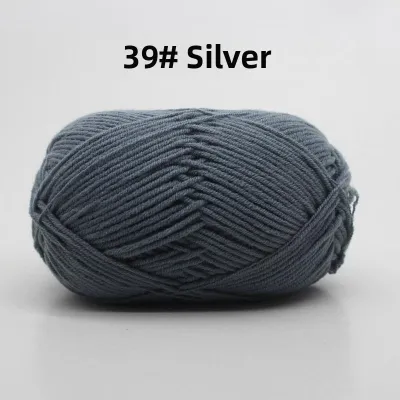
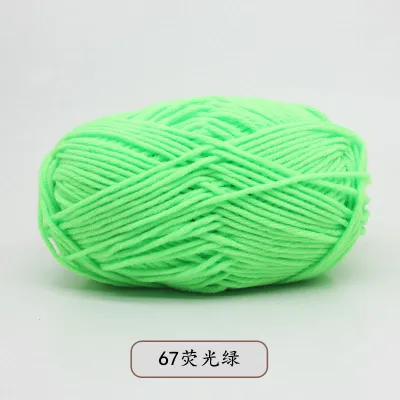
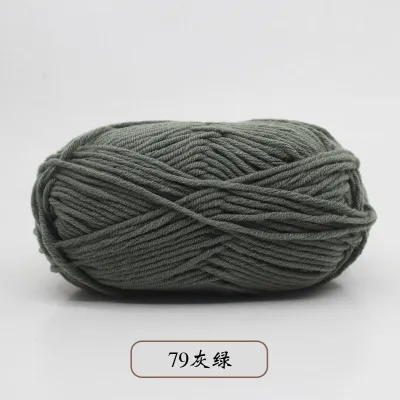
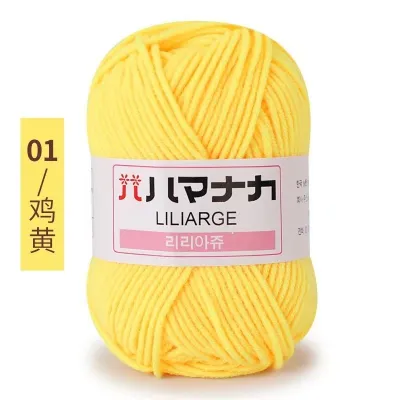
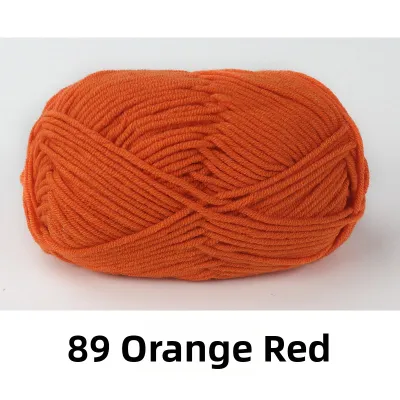
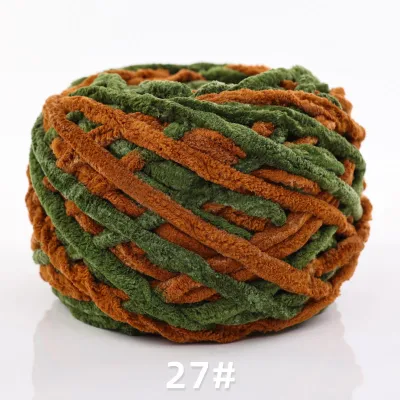
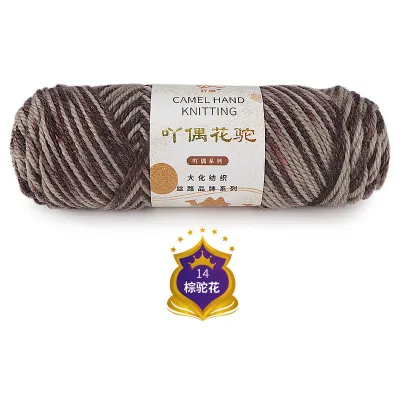
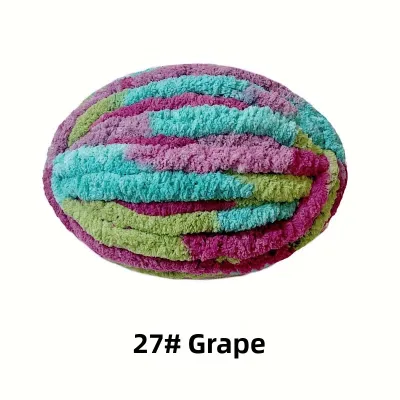
Prices are valid at publication and may change. Please refer to the product page for the latest price.
Fiber content refers to the material composition of the yarn, which can be natural, synthetic, or a blend. The fiber determines the yarn’s physical behavior, including its “grip” on the hook, its elasticity, and how clearly individual stitches are defined. A yarn with good stitch definition makes it easy to see exactly where to insert your hook, which builds confidence and prevents mistakes.
Choosing the right combination of weight and fiber creates a predictable, manageable learning experience. It allows you to see your progress clearly, identify and correct errors easily, and maintain a comfortable physical grip. This structural support is essential for building muscle memory and maintaining motivation during your first few projects.
Choose a Beginner-Friendly Yarn Weight for Clear Stitches
The yarn industry uses a standardized numbering system from 0 (Lace) to 7 (Jumbo) to classify yarn thickness. This system is typically displayed on the yarn label inside a small yarn skein icon, making it easy to identify the weight regardless of the brand. Selecting a weight in the middle of this spectrum is the best way to balance physical comfort with clear stitch visibility.

Recommended Weights for Easy Learning
Medium weight yarn, commonly known as Worsted or Aran (Category 4), is the gold standard for beginners. When paired with a 5.0 mm or 5.5 mm hook, worsted weight yarn creates large, distinct stitches that are incredibly easy to see. You can easily identify the “V” shapes along the top of each stitch, which prevents you from accidentally adding or losing stitches at the ends of your rows.
DK or Light Worsted weight yarn (Category 3) is another excellent option for beginners. Slightly thinner than worsted weight, it pairs beautifully with a 4.0 mm or 4.5 mm hook and is widely available in Singapore craft stores. It is ideal for smaller beginner projects like coasters, small pouches, or simple granny squares, offering a lightweight feel without sacrificing stitch clarity.
Weights to Avoid Until You Gain Experience
Avoid very thin yarns, such as Lace (Category 0), Fingering (Category 1), or Fine (Category 2). These options require tiny hooks (often under 3.0 mm) and highly precise tension control. The tiny stitches are incredibly difficult to see and count, which quickly leads to hand cramping, eye strain, and structural mistakes.
Conversely, you should also avoid very thick yarns, such as Bulky (Category 5), Super Bulky (Category 6), or Jumbo (Category 7) for your first project. Although thick yarns make projects grow quickly, they require heavy, oversized hooks that can rapidly fatigue your hands and wrists. Furthermore, the dense, fluffy, or tubular structure of many jumbo yarns can actually obscure the anatomy of your stitches, making it difficult to learn correct hook placement.
Select a Forgiving Yarn Fiber for Easy Handling
The material your yarn is made of determines how smoothly it glides over your hook and how comfortable it feels in your hands. For beginners, the goal is to find a fiber that is elastic, easy to clean, and highly visible.
Top Fiber Choices for Beginners
- Acrylic: This synthetic fiber is highly recommended for beginners because it is budget-friendly, typically costing between S$3 and S$8 per skein in Singapore. Acrylic has excellent natural elasticity, which helps absorb uneven tension from beginner hands, resulting in a neater fabric. It is also highly durable and machine-washable.
- Cotton Blends: Pure cotton offers unmatched stitch definition because it has no fuzzy "halo," allowing you to see every loop clearly. It is also highly breathable, making it comfortable to work with in Singapore's warm and humid climate. However, 100% cotton lacks elasticity, which can tire your hands. A cotton-acrylic or cotton-polyester blend is the perfect compromise, combining crisp stitch definition with a forgiving stretch.
- Wool Blends: Wool has natural elasticity and memory, making it highly forgiving of tension mistakes. While pure wool can be too warm for daily tropical wear, a wool-acrylic blend offers excellent structural support for learning while remaining easy to wash and care for.
Fibers to Avoid for Your First Project
- Slippery Fibers: Avoid 100% silk, bamboo, rayon, or tencel. These fibers are incredibly slick, causing stitches to easily slide off your hook and making tension control highly frustrating for a beginner.
- Fuzzy or Textured Fibers: Stay away from mohair, boucle, chenille, or eyelash yarns. The fluffy texture of these yarns completely hides the stitch structure, making it nearly impossible to see where to insert your hook. Additionally, if you make a mistake, these fibers will tangle and lock together, making it almost impossible to unravel ("frog") your work without tearing the yarn.
Before purchasing any yarn, perform a quick physical twist check. Inspect the end of the yarn strand to see how the individual plies are twisted together. A tightly plied yarn, where the strands are firmly twisted, is less likely to split when your hook is inserted. Avoid loosely twisted or unplied yarns, as your hook will easily pierce through the middle of the strand, causing split stitches and uneven tension.
Read the Yarn Label to Match Your Crochet Hook
Every skein of yarn comes wrapped in a paper band called the yarn label. This label serves as a technical blueprint, providing all the specifications you need to ensure your yarn and hook work together perfectly.
To find the recommended hook size, look for a small icon of a crochet hook on the back of the label. Next to or inside this icon, the manufacturer will list a metric measurement, such as 4.0 mm, 5.0 mm, or 5.5 mm. For your very first project, always purchase a crochet hook that matches this recommended size exactly.
Matching your hook size to your yarn weight is essential for achieving the correct fabric drape. If you use a hook that is too small for the yarn, your stitches will be incredibly tight, stiff, and difficult to work into. If you use a hook that is too large, the resulting fabric will be loose, floppy, and full of accidental gaps.
The yarn label also contains other crucial information for project planning:
- Fiber Content: Displayed as percentages (e.g., 60% Cotton, 40% Acrylic), telling you exactly how the material will feel and behave.
- Yardage/Meterage: Indicates the total length of the yarn in the skein. Always check this number rather than the weight in grams, as different fibers have different densities; a 100g skein of cotton has much less length than a 100g skein of acrylic.
- Care Instructions: Standardized laundry symbols indicate whether the finished item can be machine washed or if it requires delicate hand washing and flat drying.
Test Your Yarn and Hook Combination Before Starting
Before diving into your first official pattern, it is highly recommended to create a small practice piece called a gauge swatch. This quick test verifies that your chosen materials work well together and feel comfortable in your hands.
- Step 1: Make a slip knot, chain 15 to 20 stitches, and work 10 rows of basic single or double crochet using your chosen yarn and hook to create a small square.
- Step 2: Lay the swatch flat and evaluate your stitch visibility. You should be able to clearly see the "V" shapes along the top edge of each row. If the swatch is curling tightly or feels as stiff as cardboard, your tension is too tight.
- Step 3: Observe if the yarn is splitting. Your hook should glide smoothly under the loops without catching or piercing through the middle of the yarn strands. If splitting occurs frequently, you may need to adjust your hook angle or try a more tightly twisted yarn.
- Step 4: Assess your hand comfort. In Singapore's humid climate, hands can sometimes become slightly damp, which can cause certain synthetic yarns to stick or squeak. If you feel excessive friction or hand strain, try switching to a smoother cotton blend or using an ergonomic hook with a soft grip.
If your test swatch feels too stiff and dense, simply switch to a hook that is 0.5 mm or 1.0 mm larger than recommended. If your swatch is loose, floppy, and has large, uneven gaps, drop down to a hook that is 0.5 mm smaller to tighten up your stitches.
Frequently Asked Questions (FAQ)
Does the color of the yarn affect how easy it is to crochet?
Yes, yarn color has a massive impact on how easily you can learn. Light, bright, or pastel colors—such as cream, soft yellow, mint green, or light blue—reflect light well, making it easy to see your stitches, count your rows, and spot mistakes. Dark colors, especially black, navy blue, deep charcoal, and dark brown, absorb light and obscure stitch details. Crocheting with dark yarn can feel like working blind, which quickly leads to missed stitches and high frustration. Save dark colors for when you have built strong stitch muscle memory.
Can I use cheap yarn to practice crochet?
Yes, budget-friendly yarns are excellent for practicing basic stitches and mastering tension control. Standard acrylic yarns, which are highly affordable and widely available in local craft shops, are perfect for making mistakes without worrying about wasting expensive materials. However, you should avoid ultra-cheap, scratchy yarns that feel stiff or split apart easily. If a yarn is rough on your fingers or splits constantly, the minor cost savings will not outweigh the frustration it causes during your learning journey. Look for a budget-friendly acrylic or cotton blend that feels relatively soft and has a clean, visible twist.

Community discussion
Share your experience or ask a question. Comments are reviewed before publication.