
Selecting the ideal wrapping paper roll depends on matching the material’s physical properties—such as flexibility, tensile strength, and crease retention—to the specific dimensions and weight of your gift. While a lightweight, coated paper roll is perfect for folding crisp corners on small jewelry boxes, heavy-duty kraft rolls or flexible cellophane films are far better suited for large, heavy, or irregularly shaped items that would easily tear standard paper. Choosing the wrong material can lead to unsightly tears, bulky seams, or flaking designs that diminish the presentation of your gift.
To achieve a professional finish, you must evaluate how a paper behaves under tension and how it handles sharp corners. In Singapore’s humid climate, paper storage and material selection also play a role, as excess moisture can soften certain uncoated papers, making them more prone to tearing during the wrapping process. By understanding the structural traits of different wrapping paper rolls, you can select the right medium for any gift-giving occasion.
Common Wrapping Paper Materials and Their Structural Traits
Wrapping paper rolls are manufactured from several distinct bases, each offering unique handling characteristics. Understanding these material profiles allows you to predict how the paper will behave when folded, taped, or tensioned around a gift.
Products mentioned in this guide
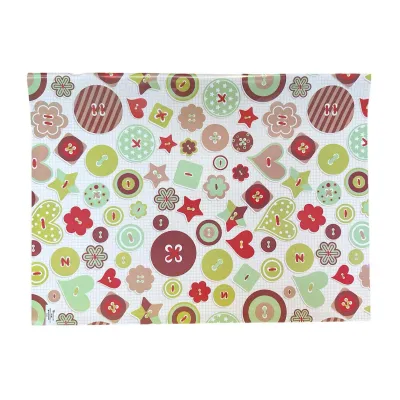
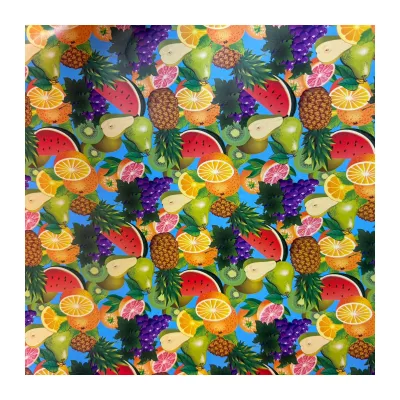
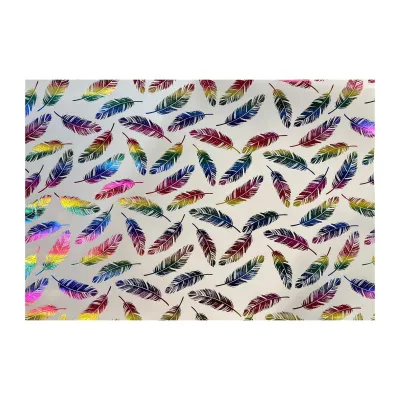
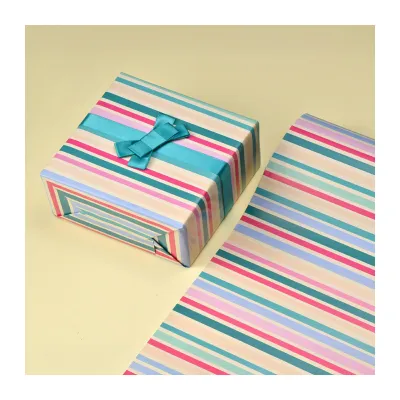
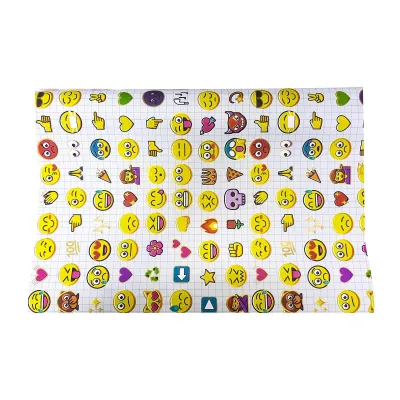
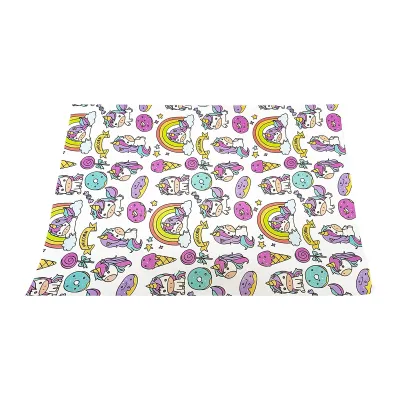
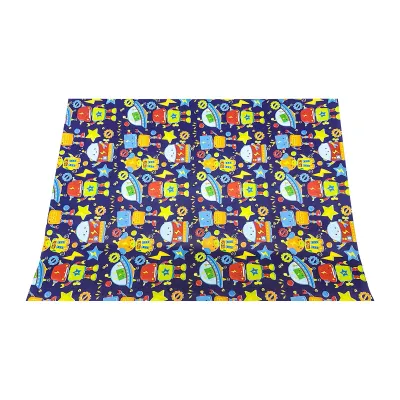
Prices are valid at publication and may change. Please refer to the product page for the latest price.
Standard coated or printed paper is the most common option found in local stationery shops. This material typically features a clay or plastic-based coating on one side to support vibrant, high-definition printed designs. It offers excellent crease retention, meaning it holds a sharp fold without springing back, and possesses moderate flexibility. However, very thin coated papers can tear easily if pulled too tightly over sharp box corners.
Kraft paper rolls are made from wood pulp using the kraft process, which retains the natural strength of the wood fibers. This results in a highly durable, tear-resistant paper with a slightly textured, matte finish. Kraft paper is exceptionally sturdy, making it ideal for heavy items, but its thickness means it requires more pressure to fold and may require strong adhesive tape to stay secured.
Foil or metallic-finish paper rolls feature a thin layer of metalized plastic laminated to a paper backing. This material is highly reflective and eye-catching, but it is also relatively stiff. Foil paper has a strong memory, meaning once it is bent, the crease is permanent. If folded too tightly or repeatedly adjusted, the metallic layer can crack, revealing the white paper backing underneath and spoiling the clean look of the wrap.
Cellophane or clear film rolls are plastic-based, non-porous materials that offer complete water resistance and high flexibility. Unlike paper, cellophane does not hold a crease and cannot be folded into sharp corners. It is highly stretch-resistant and does not tear easily, making it the standard choice for wrapping items that require gathering and tying rather than traditional taping.
Matching Material to Gift Size and Shape
Selecting the right wrapping paper roll requires analyzing the physical geometry of the item you are wrapping. A material that excels at covering a flat, rigid box may fail entirely when stretched over an irregular or heavy object. Before cutting your paper, evaluate the gift’s weight, the sharpness of its edges, and how the material behaves when wrapped around tight corners versus broad, flat surfaces.

Small and Medium Standard Boxes
For typical rectangular or square boxes, standard coated papers and moderate-weight rolls are highly effective. These materials allow you to create the crisp, clean folds and neat hospital corners that define high-quality gift wrapping. Because small and medium boxes have relatively low surface areas, the paper does not experience extreme tension across its span, reducing the risk of tearing.
However, using overly stiff materials like heavy kraft or thick foil on small boxes can be counterproductive. Stiff papers resist tight corner folds, often springing open and pulling away from standard adhesive tape. This resistance can result in bulky, uneven seams that detract from the gift’s appearance. Additionally, tight folding on small items can cause foil papers to crack along the edges.
When working with small to medium gifts, always check the roll width. Standard rolls often come in widths of 50 centimeters or 76 centimeters. For tiny items, a wide roll can lead to excessive waste or create bulky, multi-layered seams if not trimmed properly beforehand. Ensure you trim the paper so there is just enough overlap to cover the box securely without adding unnecessary bulk.
Large, Heavy, or Irregular Items
Oversized, heavy, or oddly shaped gifts present a different set of structural challenges. Standard thin papers are highly prone to tearing under the stress of large surface areas, especially when stretched over the heavy corners of large toy boxes or household appliances. For these items, high-tensile materials like kraft paper rolls are highly recommended. Kraft paper distributes tension evenly and resists puncturing, even when wrapping heavy items that shift during transport.
For large, non-boxed items such as gift baskets, plush toys, or sports equipment, traditional paper wrapping is often impractical. In these scenarios, flexible, non-tearing materials like cellophane or clear film rolls are far more suitable. Instead of attempting to fold the material around sharp angles, you can gather the cellophane at the top of the item and secure it with a ribbon or tie, utilizing the material’s natural drape and strength.
If you must wrap a large, irregular item in paper, avoid thin, glossy rolls. The lack of structural integrity in thin paper means that any protruding edge or irregular angle will easily puncture the surface. If kraft paper is too plain for the occasion, look for heavy-duty patterned rolls that explicitly specify a higher paper weight, ensuring the wrap remains intact from the moment it is packaged to when it is opened.
How to Evaluate and Test a Wrapping Paper Roll Before Use
Before committing to wrapping an entire gift, performing a few simple, observable checks on your wrapping paper roll can save time and prevent wasted material. These tests help you verify the paper’s physical limits and suitability for your specific project.
First, perform a small fold test on a discarded corner or the very edge of the roll. Fold the paper tightly between your fingers and run your fingernail along the crease to flatten it. Observe the folded edge closely: does the ink flake off along the crease, or does the paper split? If you notice significant color loss or cracking, this roll is best reserved for larger items with gentle curves rather than small boxes requiring sharp, tight folds.
Next, assess the paper’s tear resistance with a gentle pull test. Hold a small section of the paper’s edge between your thumbs and index fingers, then pull gently in opposite directions. A high-quality wrapping paper roll should offer some resistance before tearing. If the paper splits effortlessly or frays with minimal tension, it will likely tear when stretched over the corners of a box, requiring extra care and lighter tension during wrapping.
Finally, read the manufacturer’s label or product description on the roll’s packaging. Look for material composition details and thickness indicators, often measured in GSM (grams per square meter). Standard wrapping papers typically range from 60 to 80 GSM, while heavy-duty kraft papers can exceed 100 GSM. Checking these specifications helps you match the roll’s structural capacity to the weight and sharpness of your gift.
Adjusting Your Technique for Challenging Gift Dimensions
When you must work with a material or gift size that is less than ideal, adjusting your wrapping technique can compensate for the paper’s limitations. You do not always need to switch materials if you can adapt your folding and securing methods to match the paper’s physical traits.
If you are using a stiff or non-creasing material like foil or heavy kraft paper on an irregular shape, modify your folding method. Instead of forcing crisp, geometric folds that may crack or tear, use simple gathers, pleats, or soft rolls. Securing the paper with decorative twine, ribbons, or heavy-duty double-sided tape can help hold stubborn, stiff materials in place without putting excessive stress on the seams.
For heavy items where your preferred paper is marginally too thin, reinforce the vulnerable areas. You can place a small piece of cardboard over sharp corners of the gift before wrapping to blunt the edges. Alternatively, apply a layer of clear packing tape to the inside surface of the wrapping paper at the points where it will contact the sharpest corners, providing an invisible barrier against punctures.
If the paper repeatedly fails during your test folds or tears during the initial wrapping stages, it is important to recognize when to stop. Forcing an unsuitable paper onto a challenging gift usually results in a messy presentation. In such cases, consult standard packaging guidelines and consider switching to a more durable material, or opt for a structured gift box or bag to ensure the item is presented beautifully and securely.
Frequently Asked Questions (FAQ)
Can I use the same wrapping paper roll for both very small and very large gifts?
While it is possible to use a single wrapping paper roll for various gift sizes, you will face distinct trade-offs. A standard-width roll (around 70 to 76 centimeters) can be cut down to wrap small items, but doing so requires careful trimming to avoid bulky, multi-layered seams that look untidy. Conversely, using a narrow roll for a very large gift requires piecing multiple sheets together with tape, which compromises the structural integrity and visual appeal of the wrap. For the best results, match the roll width and material flexibility to the scale of the gift.
Does the thickness of the wrapping paper roll matter for heavy gifts?
Paper thickness, often indicated by GSM, is important, but the material’s overall tensile strength and fiber composition matter more for heavy gifts. For example, a relatively thin kraft paper roll can offer superior tear resistance compared to a thicker, clay-coated standard paper because the long, unbleached wood fibers in kraft paper resist pulling apart under tension. When wrapping heavy or sharp-edged items, prioritize materials known for high tear resistance and puncture durability rather than relying solely on visual thickness or weight.

Community discussion
Share your experience or ask a question. Comments are reviewed before publication.