
Finding the perfect wrapping paper in Singapore involves balancing aesthetic appeal with structural durability. A beautifully wrapped gift sets the tone before the package is even opened, reflecting the thought and care put into the gesture. However, low-quality paper can easily tear at the corners, show the gift through its fibers, or resist tape adhesion, turning a pleasant task into a frustrating experience.
To secure the best wrapping paper for your needs, you must look beyond the surface design. High-quality options are defined by their weight, texture, and print precision. By understanding these physical characteristics and knowing where to source them locally, you can elevate your gift-giving presentation for any occasion.
Key Criteria for Evaluating Wrapping Paper Quality
Evaluating wrapping paper requires a close look at its physical specifications, starting with paper weight. Paper weight is measured in grams per square meter (GSM). Standard, budget-friendly wrapping papers typically range from 60 to 70 GSM; while easy to fold, they are prone to tearing and can be semi-transparent. For a premium feel and reliable opacity, look for papers between 80 and 100 GSM. Papers exceeding 120 GSM are highly durable but can be stiff, making it difficult to achieve sharp, clean folds without creasing the paper prematurely.
Products mentioned in this guide
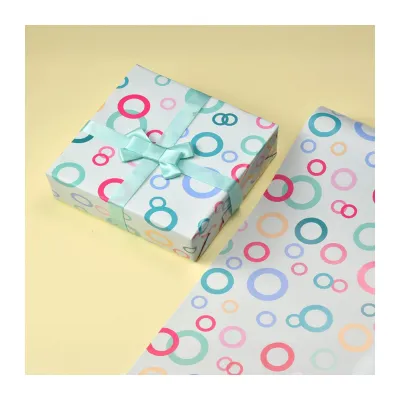
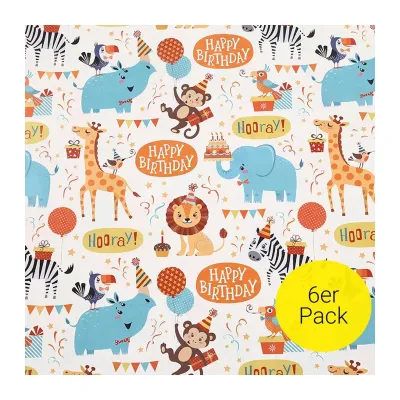
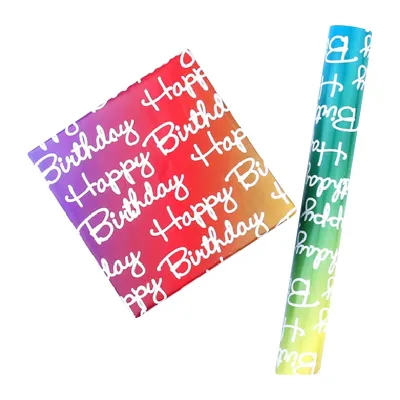
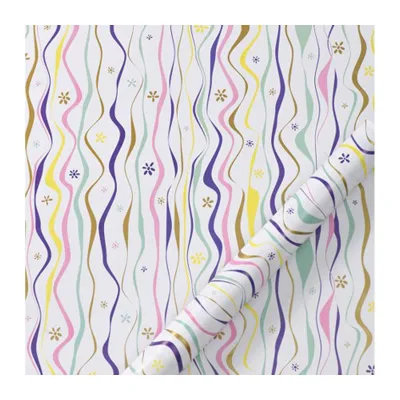
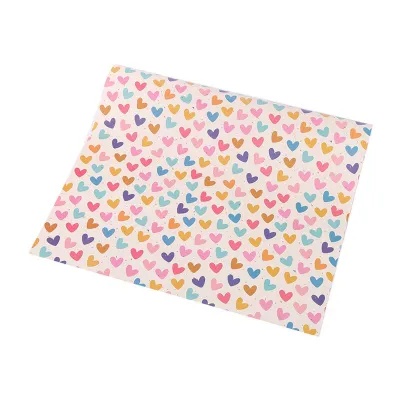
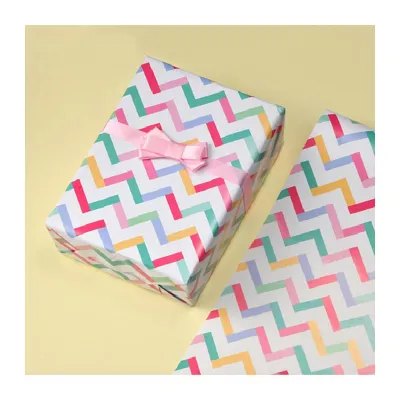
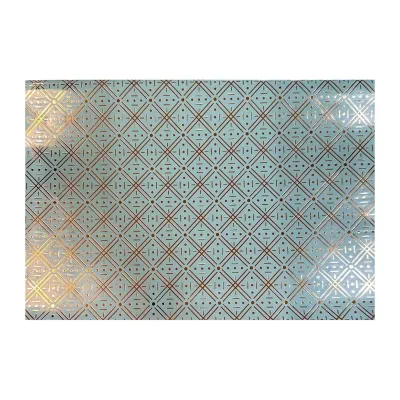
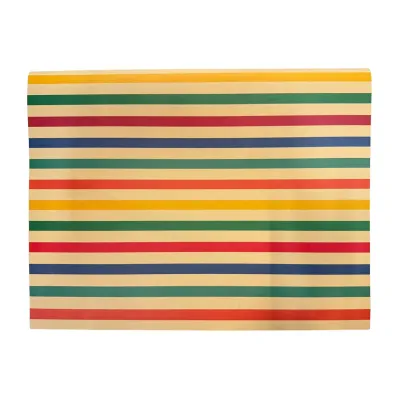
Prices are valid at publication and may change. Please refer to the product page for the latest price.
The texture and finish of the paper also dictate how it behaves during the wrapping process. Matte and uncoated papers, such as kraft paper, offer a tactile, organic feel and provide excellent adhesion for standard adhesive tapes. Conversely, high-gloss, laminated, or metallic foil finishes present a sleek, reflective surface but can be slippery. These glossy finishes often require specialty double-sided tape or high-tack decorative tapes to prevent the seams from popping open under tension.
Finally, inspect the print clarity and color alignment. High-quality wrapping paper features sharp, crisp lines without color bleeding or offset patterns. If you are purchasing patterned paper, check if the design is printed consistently across the entire sheet or roll. Premium options sometimes feature double-sided printing, offering coordinating colors or patterns on the reverse side, which allows for creative folding techniques and contrast cuffs.
Matching Wrapping Paper Styles to Gifting Occasions
Selecting the right wrapping paper style involves matching the material and design to the recipient and the event. For corporate gifts, formal events, or minimalist aesthetics, uncoated kraft paper and textured papers are excellent choices. Kraft paper, with its natural brown or muted tone, conveys a rustic, eco-friendly charm. You can easily elevate this understated look by pairing it with natural jute twine, cotton ribbons, or a sprig of dried botanicals, making it highly versatile and sophisticated.

For festive celebrations, weddings, and milestone events, metallic, foil-stamped, and high-gloss papers add a sense of luxury and excitement. Foil accents catch the light beautifully, making the gift stand out under festive lighting. When working with metallic papers, handle them gently on a clean, flat surface, as they tend to show permanent creases and fingerprints more easily than matte alternatives.
Casual gatherings, birthdays, and children’s parties call for vibrant, patterned, and illustrated designs. Whimsical illustrations, bold geometric shapes, and colorful botanical prints bring a playful energy to the gift. When wrapping gifts for children, look for papers with cheerful, high-contrast patterns that match their interests, ensuring the presentation is as joyful as the gift inside.
Where to Source Reliable Wrapping Paper in Singapore
Singapore offers a diverse retail landscape for sourcing high-quality wrapping paper, ranging from physical boutiques to online platforms. Specialty stationery stores and curated lifestyle boutiques are the premier destinations for artisanal and imported papers. These shops often stock limited-run sheets from independent international designers, featuring unique textures, heavy-weight cotton papers, and hand-screened prints. While these sheets are typically sold individually and carry a higher price point, they are unmatched in design exclusivity and tactile quality.
For everyday gifting needs, bulk wrapping, or craft projects, large-scale bookstores and dedicated craft supply shops across Singapore provide extensive variety. These retailers stock convenient multi-pack sheets and long rolls in a wide array of standard designs, from solid colors to seasonal patterns. Sourcing from these physical stores allows you to touch and feel the paper weight before buying, ensuring the thickness meets your standards.
If you prefer shopping from home or require specific international brands, official brand websites and established online marketplaces offer unparalleled convenience. Many boutique paper goods brands ship directly to Singapore, giving you access to global design trends. When shopping on online marketplaces, look for reputable stationery distributors and read customer reviews to verify that the paper is shipped in protective cardboard tubes to prevent damage during transit.
Smart Buying Checks for Online and Bulk Purchases
Buying wrapping paper online or in bulk requires a strategic approach to ensure you receive good value and quality. First, always verify the roll or sheet dimensions. Online listings can be deceptive, making a roll look larger than it is. Calculate the cost per square meter by multiplying the width by the length of the roll, then dividing the price by this total area. This calculation allows you to compare different brands and formats on an equal basis, ensuring you do not overpay for short rolls.
Next, utilize customer feedback and photos to assess the true color and thickness of the paper. Product renders provided by sellers often use idealized lighting that can make colors appear more vibrant or metallic finishes look shinier than they are in reality. Customer-uploaded photos offer a more accurate representation of how the paper looks under normal household lighting and can reveal if the paper is thin enough to show the gift box underneath.
Additionally, pay close attention to material composition and environmental certifications. If you prioritize sustainability, look for papers certified by the Forest Stewardship Council (FSC), which ensures the wood pulp is sourced from responsibly managed forests. Avoid papers with plastic laminations, glitter, or metallic foils if you intend to recycle them, as these additives prevent the paper from being processed in standard recycling facilities. Uncoated, vegetable-ink printed papers are the most eco-friendly choices.
Frequently Asked Questions (FAQ)
How can I prevent wrapping paper from tearing during gift wrapping?
Tearing usually occurs at the sharp corners of gift boxes or when pulling thin paper too tightly. To prevent this, wrap your gift on a clean, hard surface and avoid dragging the paper across sharp edges. Using high-quality double-sided tape or paper tape can secure the folds with minimal tension, reducing the stress on the paper’s surface. If you are working with thick, heavy-weight, or textured papers, use a bone folder or a clean ruler to score the fold lines lightly before making the actual crease. This pre-creasing relaxes the paper fibers, allowing for clean, sharp folds without cracking or tearing the outer decorative layer.
What is the best way to store leftover wrapping paper rolls?
Singapore’s humid climate can cause stored wrapping paper to absorb moisture, leading to warping, musty odors, and adhesive failure on tapes. To preserve your paper, store rolls upright in a tall, breathable container or a dedicated storage bag placed in a cool, dry closet. Keep the rolls secured with silicone slap bands, elastic bands, or specialty paper clips rather than adhesive tape, which can tear the outer layer when removed. For ultimate protection, slide the rolls into clear plastic sleeves or cardboard mailing tubes to keep the edges clean, dust-free, and protected from accidental crushing.
Community discussion
Share your experience or ask a question. Comments are reviewed before publication.