
Teachers’ Day in Singapore is a highly anticipated occasion dedicated to honoring the educators who shape the future of our nation. A thoughtful, well-chosen greeting card remains one of the most enduring ways to express gratitude, serving as a tangible keepsake that teachers often cherish for years. However, finding the perfect card involves more than just picking the first design on the shelf. Selecting the right greeting card brand requires balancing paper quality, design tone, and purchasing channels to match your specific gifting needs. Whether you are a parent organizing a class-gift contribution or a student writing a deeply personal note, understanding how to evaluate different card brands ensures your message of appreciation is delivered with the respect and elegance it deserves.
Defining Your Needs: Message, Tone, and Recipient
Before stepping into a stationery store or browsing online catalogs, it is essential to clarify the emotional tone and specific message you want to convey. Greeting cards are not one-size-fits-all; the relationship between the sender and the teacher dictates the appropriate style. For instance, a formal appreciation card organized by a parent-teacher committee or a class representative requires a different approach than a personal note from an individual student. Formal cards often benefit from elegant, understated designs with sophisticated typography, whereas individual student cards can be more colorful, whimsical, or highly personalized.
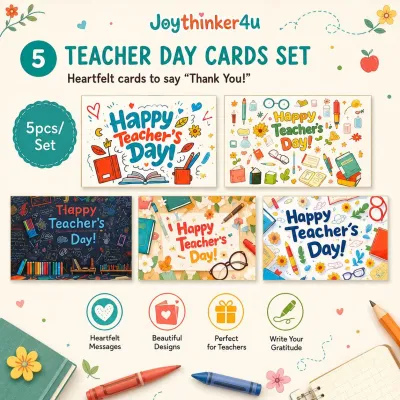
Matching the card’s design to the teacher’s personality, subject area, and age group adds a thoughtful layer of customization. A science teacher might appreciate a clever, subject-themed pun, while an art or literature teacher might resonate more with a beautifully illustrated, minimalist design. Consider whether the recipient prefers lighthearted humor or a more traditional, respectful tone.
Products mentioned in this guide

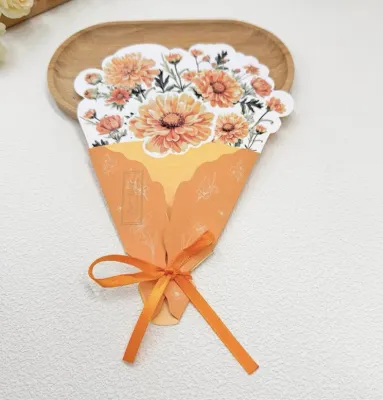
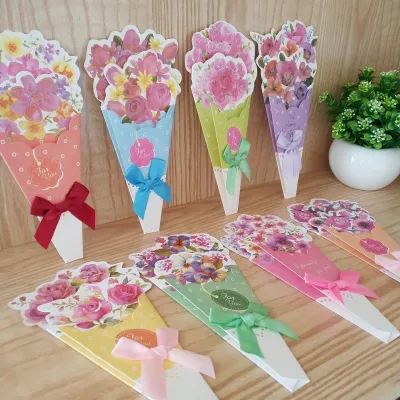
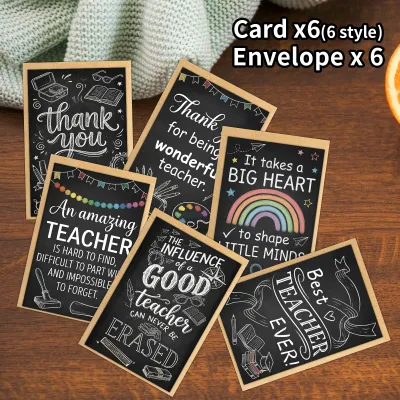
![[MIN 3 CARDS] 🇸🇬SG Punny Teacher Appreciation Card Special Editions for Graduation Greeting Thank You Heartfelt Support Message Card](https://img.lazcdn.com/g/ff/kf/S46b8562713de4564b8cea4c9945a655fF.jpg_400x400q80.jpg_.webp)

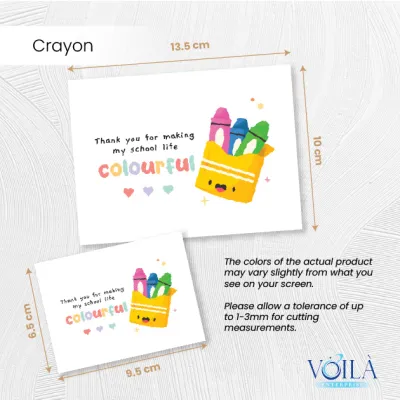
Prices are valid at publication and may change. Please refer to the product page for the latest price.
Additionally, the physical layout of the card must match the number of contributors. If the card is meant to accommodate signatures and short messages from an entire class of thirty students, a standard bi-fold card will quickly run out of space. In such cases, look for brands that offer oversized folding cards, multi-page booklet formats, or cards designed with dedicated insert sheets. For individual notes, a compact card or a classic postcard format provides just enough space for a heartfelt paragraph without leaving intimidating blank areas.
Key Criteria for Evaluating Greeting Card Brands
When evaluating greeting card brands, physical quality is the most reliable indicator of craftsmanship. The tactile experience of holding a card significantly influences how the recipient perceives the gesture.

First, examine the paper stock and texture. High-quality greeting cards typically use heavy cardstock, generally ranging from 250 to 350 grams per square meter (GSM). Cardstock within this weight range feels substantial and resists bending or creasing during transit. Pay attention to the finish: matte finishes offer a classic, glare-free look that is highly receptive to most pen inks, while glossy finishes provide vibrant color reproduction but require specialized writing instruments. Textured papers, such as linen, felt, or cotton rag, add a luxurious, tactile dimension that immediately elevates the card’s premium feel.
Second, assess the print quality and specialty craftsmanship. Sharp, crisp typography and accurate color registration are hallmarks of a reputable brand. Look for specialty embellishments that add depth and visual interest, such as metallic foil stamping, blind embossing, debossing, or intricate laser-cut patterns. These techniques require precise manufacturing standards; low-quality brands often suffer from misaligned foils or frayed edges on laser-cut designs.
Third, evaluate design originality and cultural relevance. While mass-produced, generic templates are widely available, premium card brands often collaborate with independent illustrators to produce unique artwork. In Singapore, look for brands that offer locally relevant themes or subtle cultural nods that resonate with the local school environment.
Finally, do not overlook the envelope. A premium card should always be paired with a high-quality envelope made from durable, thick paper (typically 100 GSM or higher). The envelope should fit the card perfectly without forcing it to bend, and it should feature a secure sealing mechanism, whether gummed, self-adhesive, or designed for a wax seal.
Where to Shop for Teachers' Day Cards in Singapore
Finding the right card brand in Singapore involves navigating several distinct retail channels, each offering unique advantages for quality verification.
Physical stationery shops and major local bookstore chains are excellent starting points. Shopping in person allows you to touch the paper, inspect the print quality under natural light, and verify the structural integrity of the cards. Specialty stationery boutiques, often located in central shopping districts or heritage neighborhoods, curate premium international and local boutique brands. These stores are ideal for finding artisanal, hand-printed, or letterpress cards that stand out from mass-market options.
Buying directly from a brand’s official online store or dedicated boutique ensures you receive authentic products and access to their complete, up-to-date collections. Many established paper goods brands launch exclusive Teachers’ Day collections or limited-edition designs that are not distributed to third-party retailers. Purchasing directly also allows you to review the brand’s specific paper sourcing policies, such as the use of FSC-certified recycled paper.
For convenience, online malls and e-commerce platforms offer a vast selection of both local and international card brands. When shopping on these platforms, it is crucial to verify seller reliability to avoid low-quality counterfeits or pixelated print jobs. Look for sellers with high ratings, read recent customer reviews that specifically mention paper thickness and print clarity, and check the shipping origin. Because Teachers’ Day in Singapore is celebrated on a specific date, always verify the estimated delivery window and allow a buffer of several days to account for potential shipping delays.
Enhancing Store-Bought Cards with DIY and Personal Touches
Even the most beautifully designed branded card can be elevated with thoughtful personalization and simple DIY additions.
The most critical personal touch is the handwritten message. To ensure your writing looks clean and professional, select a pen that is compatible with the card’s paper stock. For matte or textured cardstock, gel pens, fine-liners, and fountain inks generally perform well, offering smooth ink flow and rich color. However, if the card has a glossy or coated finish, standard water-based inks will smudge easily. In this case, opt for quick-drying pigment liners, oil-based ballpoint pens, or fine permanent markers. Always perform a quick test on a scrap piece of paper or the inside flap of the envelope to check for ink feathering, bleed-through, or drying speed.
Simple embellishments can complement the brand’s original design without cluttering it. Consider using high-quality paper washi tape with subtle geometric patterns to frame the inner borders, or apply a custom ink stamp with a neat “Thank You” motif. If you want to add a natural element, a small pressed flower or a sprig of dried lavender can be secured to the card or envelope using a drop of clear-drying adhesive or a classic wax seal.
If you have purchased a standard-sized card but need to accommodate a larger group message, do not try to squeeze tiny handwriting into the margins. Instead, create a custom insert. Cut a sheet of high-quality, lightweight translucent vellum or textured writing paper slightly smaller than the card’s dimensions. Have the contributors write their messages on this insert, then secure it neatly along the card’s inner spine using a thin strip of double-sided tape or a decorative ribbon threaded through punched holes.
Tips for Bulk Ordering and Budget Management
For parent representatives, class committees, or school administrators, managing the purchase of multiple cards requires careful planning and budget coordination.
Begin by calculating the exact quantities needed. Create a comprehensive list that includes not only the primary form teachers and co-form teachers but also subject-specific teachers, physical education instructors, music teachers, and auxiliary school staff such as librarians, office administrators, and support personnel. It is always wise to order a few extra blank cards to accommodate last-minute adjustments or writing mistakes.
When purchasing in volume, budget management becomes a priority. While individual premium cards can range from S$5 to S$10 or more, buying in bulk often opens up cost-saving opportunities. Before purchasing online or at retail counters, contact the brand’s customer service department or speak directly with the store manager. Many stationery brands offer unadvertised volume discounts, corporate rates, or bundled packages for orders exceeding a certain quantity.
Establish a strict timeline to avoid last-minute stress. Aim to finalize your card selection and place bulk orders at least three to four weeks before Teachers’ Day. This timeline accounts for potential stock shortages as the holiday approaches, allows sufficient time for shipping, and leaves ample room for the class committee or students to write their messages. Upon receiving the order, inspect the shipment immediately to verify that the card quantities, envelope counts, and print quality meet your expectations before distribution.
Frequently Asked Questions (FAQ)
Is it appropriate to give a digital card instead of a physical one?
Digital cards are highly practical for remote learning environments, collaborative class projects where students are geographically dispersed, or when adhering to strict school policies regarding physical gifts. They allow multiple contributors to add messages and media elements seamlessly. However, physical cards hold an enduring sentimental value as tangible keepsakes. Many teachers keep physical cards in their classrooms or desk drawers for years as reminders of their impact. If you choose a digital card, ensure it complies with your school’s guidelines, and consider printing a single high-quality physical copy of the compiled digital messages as a permanent keepsake.
How can I ensure the ink does not smudge on glossy cards?
Glossy card surfaces have a non-porous coating that prevents standard water-based inks from absorbing into the paper fibers, leading to smearing. To prevent smudging, use quick-drying pigment ink pens, oil-based ballpoint pens, or fine-tip permanent markers. Avoid gel pens, fountain pens, and liquid ink rollers unless they are explicitly labeled as quick-drying or multi-surface compatible. Before writing your main message, perform a trial stroke on a hidden corner of the card or the inner fold of the envelope to observe the drying time. Once written, leave the card open and undisturbed for several minutes, and avoid touching the ink or closing the envelope until it is completely dry.

Community discussion
Share your experience or ask a question. Comments are reviewed before publication.