
Selecting the right Teachers’ Day greeting card is a thoughtful way to show appreciation for the educators who shape young minds. Because every teacher-student dynamic is unique, a one-size-fits-all approach rarely captures the true spirit of gratitude. Matching the card’s style, format, and message to the specific relationship ensures your gesture feels genuine and respectful.
In Singapore, Teachers’ Day is a highly anticipated occasion where students and parents express their thanks. Navigating this annual tradition involves balancing school guidelines, personal connections, and practical stationery choices. By understanding how to align your card selection with the teacher’s role and personality, you can create a memorable keepsake that stands out on any staffroom desk.
Understanding Teacher Relationships and Card Tones
The first step in choosing a card is evaluating the nature of the relationship between the student and the educator. Form tutors, who interact with students daily, often play a dual role of academic instructor and pastoral caregiver. They manage classroom dynamics, guide character development, and support students through personal challenges. For these teachers, a warm, heartfelt, and highly personalized card tone is highly appropriate, reflecting the deep bond formed over months of daily contact.
Products mentioned in this guide
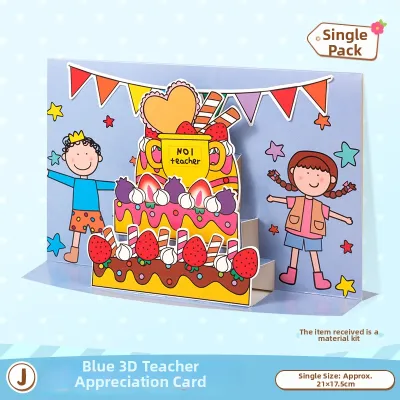
Prices are valid at publication and may change. Please refer to the product page for the latest price.
In contrast, subject teachers interact with students during specific academic blocks. While their impact on a student’s intellectual growth is profound, the relationship is often more focused and structured. For a subject teacher, a respectful, professional, and appreciative tone works best. This approach acknowledges their specialized expertise and dedication to the subject matter without overstepping professional boundaries.
To determine the right tone, look for observable cues from past interactions. Reflect on parent-teacher meetings, feedback written in report books, or daily updates shared on school communication portals. A teacher who regularly shares detailed, warm anecdotes about your child will likely appreciate a deeply personal card. Conversely, an educator who maintains a highly structured, formal communication style may prefer a classic, elegant card that conveys polite and sincere gratitude.
Individual vs. Class Cards: Which Format Fits Best?
Deciding between an individual card and a collective class card depends on the student’s personal experiences and the established norms of the classroom. Individual cards are ideal when a student has received direct, personal mentorship, such as during after-school remedial sessions or co-curricular activities. If a teacher has gone out of their way to help a student overcome a specific academic or personal hurdle, a private card provides the necessary space to express deep, personal gratitude.

On the other hand, a collective class card is an excellent way to foster a sense of unity and shared appreciation. When planning a large class card, physical dimensions and material specifications are critical. A standard greeting card will not suffice; instead, look for an oversized folding card or a heavy-duty poster-style cardstock. The paper weight should be at least 250 to 300 grams per square meter (gsm) to withstand handling by dozens of students without creasing or tearing.
Furthermore, the paper surface must be compatible with various writing instruments. Uncoated or matte cardstock is highly recommended, as it allows gel pens, ballpoints, and markers to dry quickly, minimizing the risk of smudging as the card is passed around. Before organizing a collective card, check with the class chairperson or parent support group to ensure your plans align with school policies and informal class consensus, avoiding duplicate efforts or overwhelming the teacher with multiple large-scale items.
Matching Card Styles to Teacher Preferences
The visual design and physical format of a card should mirror the recipient’s professional personality and subject area. Minimalist, elegant cards featuring clean typography, gold foil accents, or subtle geometric patterns are highly suited for senior educators, secondary school teachers, or those with a more formal teaching style. These designs convey a sense of mature respect and look sophisticated when displayed on a desk or bookshelf.
For early childhood educators, primary school teachers, or those teaching creative subjects like art, music, and drama, vibrant and illustrative styles are often a better match. Interactive designs, such as three-dimensional pop-up cards or laser-cut paper scenes, add an element of playfulness and joy that resonates with creative spirits. These cards serve as delightful decorative pieces that teachers often keep on display long after the holiday has passed.
When selecting a card, always verify its physical dimensions and structural integrity. A card that is too flimsy will warp or fall over when stood upright on a flat surface. Ensure the card comes with a high-quality, matching envelope that fits its thickness perfectly. For thick pop-up or embellished cards, standard flat envelopes may tear; instead, opt for a slightly oversized envelope or a protective sleeve to keep the card pristine during transit.
What to Write: Tailoring Messages for Different Roles
The message inside the card is the most important element of your gesture. To write a meaningful note, avoid generic, pre-printed clichés and focus on specific, observable details. When writing to a subject teacher, highlight their instructional impact by mentioning a specific lesson, a challenging topic they made easy to understand, or an academic milestone the student achieved under their guidance. This shows the teacher that their hard work in the classroom has yielded tangible results.
For form tutors, the message should focus on personal growth, emotional support, and the classroom environment they have cultivated. Express gratitude for their patience, their encouragement during difficult times, or the way they have helped the student build confidence and social skills. Acknowledging their role in shaping the student’s character makes the message deeply meaningful and validates their pastoral efforts.
To structure the message effectively, follow a simple three-part framework. Begin with a respectful and warm opening, addressing the teacher by their proper title. Follow this with the core of your message: a specific memory, anecdote, or expression of thanks that highlights the teacher’s unique contribution. Conclude with a sincere, forward-looking wish for their health, happiness, and continued success in their teaching journey, signing off with the student’s name and class.
Sourcing and Preparing the Card for Delivery
Finding the right card involves choosing between physical stationery shops and online marketplaces. Physical stores offer the distinct advantage of tactile verification; you can feel the paper weight, inspect the print quality, and test pen compatibility on similar paper samples. This immediate availability is perfect for last-minute purchases. Online marketplaces, meanwhile, provide a vast array of unique, independent designs, though you must factor in shipping times and potential variations in physical quality.
Timing is crucial when preparing your Teachers’ Day cards. If you plan to customize the card, add handmade elements, or gather signatures from an entire class, start the process at least two weeks in advance. This buffer ensures that everyone has ample time to write their messages without rushing, resulting in a neater, more organized presentation. It also prevents the stress of last-minute assembly the night before the celebration.
Finally, protect the card during its journey to school. Students’ schoolbags are often crowded with heavy textbooks, water bottles, and lunchboxes, which can easily bend or stain a delicate paper card. Place the completed card inside a rigid mailer, a plastic sleeve, or a sturdy folder before packing it. This simple precaution ensures that the card arrives in pristine condition, ready to be presented to the teacher as a beautiful, undamaged token of appreciation.
Frequently Asked Questions (FAQ)
Can I give a digital card instead of a physical one?
Digital cards offer convenience and are an eco-friendly alternative to traditional paper stationery. They are particularly useful if a student is unable to attend school in person or if you want to send a quick, spontaneous greeting. However, digital cards often lack the tactile warmth and lasting keepsake value of a physical card that a teacher can display on their desk or store in a memory box. If you choose a digital format, ensure it is sent through school-approved communication channels, such as official school emails or parent portals, to maintain professional boundaries.
Is it appropriate to include a small gift with the card?
In Singapore, school guidelines regarding teacher gifts are strict to ensure transparency and prevent any conflict of interest. Generally, expensive gifts are discouraged, and teachers may be required to declare or decline them. A heartfelt card is always the most valued gesture. If you wish to include a small token, keep it low-risk, practical, and nominal in value. Practical stationery items like high-quality pens, sticky notes, or simple desk accessories complement a card beautifully without overshadowing the written message or violating school policies.

Community discussion
Share your experience or ask a question. Comments are reviewed before publication.