
Finding the perfect Teachers’ Day card in Singapore involves balancing heartfelt sincerity with a design that matches your relationship with the educator. The most impactful cards combine a thoughtful, personalized message with a style that reflects the student’s age and connection to the teacher—whether that is a vibrant handmade creation from a primary schooler or a sleek, minimalist design from a tertiary student. Because many educators keep these cards as treasured mementos for years, choosing durable materials and writing a message that highlights specific moments of guidance will always resonate more deeply than an expensive, generic gift.
Understanding What Teachers Truly Appreciate
Educators in Singapore cherish physical cards because they represent time, thought, and personal connection. While elaborate store-bought gifts might seem impressive, teachers consistently value the genuine effort behind a handwritten note far more. A card serves as a tangible reminder of their impact, offering encouragement during challenging periods of the school year.
The nature of these cards naturally evolves as a student grows. For a preschooler, a card is often a collaborative effort where a parent assists with writing while the child adds drawings. Teachers appreciate the authentic charm of a young child’s drawings, as it reflects their developmental stage. For older, independent students in secondary schools or junior colleges, the expectation shifts toward a self-authored message that demonstrates mature reflection and personal gratitude.
Products mentioned in this guide
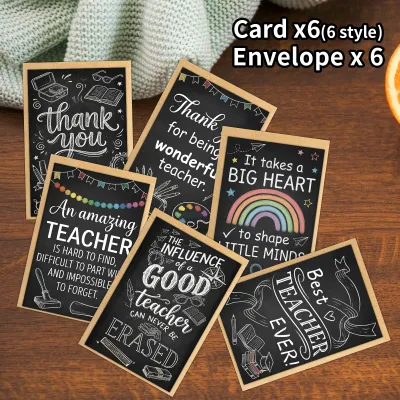
![[MIN 3 CARDS] 🇸🇬SG Punny Teacher Appreciation Card Special Editions for Graduation Greeting Thank You Heartfelt Support Message Card](https://img.lazcdn.com/g/ff/kf/S46b8562713de4564b8cea4c9945a655fF.jpg_400x400q80.jpg_.webp)
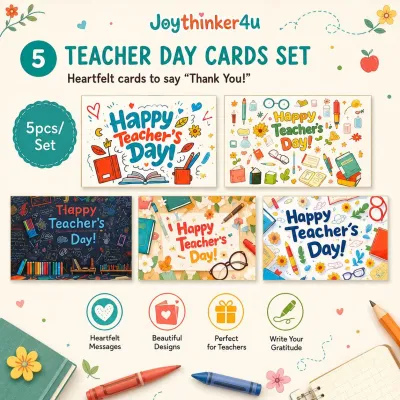
Prices are valid at publication and may change. Please refer to the product page for the latest price.
Because many teachers store these cards in desk drawers or memory boxes for decades, physical durability is a key consideration. A flimsy piece of paper can easily tear or fade over time. Selecting a card made from sturdy cardstock ensures that the physical token of appreciation survives years of handling, allowing teachers to revisit your words of encouragement in the future.
Matching Card Styles to the Teacher-Student Relationship
Selecting the right visual style sets the tone before the teacher even reads your message. Handmade or craft-style cards are highly effective for younger students or close mentorships, showcasing personal effort and creativity. If you are making a card at home, using textured colored paper, simple paper-cutting, or light watercolor illustrations can make the card stand out while maintaining a warm, personal feel.

For form teachers, department heads, or formal expressions of gratitude from parents, premium or elegant cards are often the most appropriate choice. These cards typically feature high-quality cardstock, subtle foil accents, or embossed textures that convey deep respect. A premium card is particularly suitable when a parent wants to thank a teacher for supporting a child through a difficult academic transition, as the polished presentation matches the gravity of the message.
Minimalist or modern designs work exceptionally well for older students, university lecturers, or educators who appreciate a clean, clutter-free aesthetic. These cards often feature simple typography, ample white space, and understated geometric patterns. They feel sophisticated and respectful without being overly sentimental, making them ideal for tertiary educators with whom you may have a professional yet warm academic relationship.
When selecting or making a card, pay close attention to the paper weight, texture, and finish. A paper weight of 250 to 300 grams per square meter (gsm) provides a substantial, premium feel that does not bend easily. Matte or uncoated finishes are generally preferred over high-gloss surfaces because they are much easier to write on without ink smearing, and they offer a tactile texture that feels excellent in hand.
Crafting a Heartfelt and Meaningful Message
The heart of any card is the written message, and structuring it thoughtfully prevents the text from falling into generic clichés. A reliable three-part framework begins with a specific expression of appreciation, followed by a recollection of a memorable classroom moment, and concludes with a warm, forward-looking wish. Instead of simply writing “Thank you for being a great teacher,” describe a specific instance where their patience or explanation helped you understand a difficult concept.
Adjusting the tone of your message is crucial to match the teacher’s personality and your age. A younger student’s message should be simple, polite, and enthusiastic, while an older student can write with more depth, balancing warmth with professional respect. If a teacher is known for their lively humor, a lighthearted but respectful joke about a classroom routine can be included, but it is best to maintain a polite boundary.
There are several common pitfalls to avoid when writing your message. Do not focus solely on academic grades or exam results; a teacher’s role extends far beyond test scores, and they prefer to hear how they helped you grow as an individual. Avoid generic, copy-pasted phrases that could apply to any educator, as these can make the message feel transactional. Most importantly, ensure that any humor used is entirely respectful and appropriate for a school environment.
For parents co-writing with young children, the goal is to preserve the child’s authentic voice while ensuring the message is legible. Ask your child open-ended questions about what they enjoy most in class or what their teacher did to make them smile, and write down their exact words. You can then add a brief, polite note of your own at the bottom, thanking the teacher for their dedication and care from a parent’s perspective.
Practical Checks Before Buying or Making Your Card
Before finalizing your card, a few practical checks will ensure it is presented beautifully and survives the journey to the classroom. Consider the physical size and format of the card. Standard sizes like A5 or A6 are highly practical because they fit easily into standard school pigeonholes and desk organizers. If you are preparing a card for a large group of classmates to sign, ensure the format is large enough to accommodate everyone’s handwriting without becoming a cramped, illegible mess.
Paper and ink compatibility is a critical technical detail that is often overlooked. To prevent smudging, bleeding, or feathering, test your writing instrument on a scrap piece of the same paper first. Smooth, uncoated cardstock works beautifully with gel pens and ballpoint pens, but highly absorbent paper can cause fountain pen ink or heavy markers to bleed through. If you are using gel pens, allow the ink to dry completely for several minutes before folding or touching the paper to avoid unsightly smudges.
Ensure the card has a matching envelope that fits comfortably without forcing the card inside, which can damage the corners. If you are using a handmade card with raised elements like ribbons or 3D paper cutouts, select a slightly deeper envelope to prevent the decorations from being crushed. For sealing, a neat adhesive strip or a small, tasteful sticker is often cleaner and more secure than licking the envelope flap.
Finally, plan your delivery logistics carefully. Teachers’ Day in Singapore is typically celebrated on the Friday before the September school holidays, so aim to deliver your card a day or two in advance to avoid the chaotic rush of the final celebration day. If you cannot hand the card to the teacher in person, placing it neatly in their staff room pigeonhole or mailing it directly to the school are reliable alternatives. If making cards at home with young children, ensure safety by using child-safe, blunt-tip scissors and non-toxic, solvent-free adhesives.
Frequently Asked Questions (FAQ)
Is it appropriate to give a digital card instead of a physical one?
While digital cards are highly convenient, especially for last-minute greetings or remote learning scenarios, they generally lack the tactile warmth and long-term sentimental value of a physical card. Many teachers appreciate having a physical keepsake they can display on their desks or store in a memory box. If you must send a digital card, make it feel personal by recording a short video message, adding a custom drawing, or writing a highly personalized letter rather than using a generic, automated template.
How can a group of students collaborate on a single card without it looking messy?
To keep a collaborative group card neat and organized, assign a single student as the coordinator to manage the layout. Use a light pencil to draw faint gridlines or writing guides, which can be gently erased once the ink is completely dry. Encourage everyone to use the same type of pen—preferably a fine-tip black or blue gel pen—to maintain visual consistency. Alternatively, have each classmate write their message on a small, uniform square of colored paper first, and then neatly paste these squares onto a larger poster-style card.
Community discussion
Share your experience or ask a question. Comments are reviewed before publication.