
Choosing the right surname red packet size depends on the physical dimensions of the banknotes you intend to gift and the total thickness of the cash stack. For standard Singapore Dollar notes, a long or full-sized red packet is ideal for keeping S$10, S$50, or S$100 notes completely flat and unfolded, which is the preferred presentation for formal occasions. Smaller or medium-sized packets work well for folded notes or lower denominations like S$2 and S$5, but they require careful checking to ensure the flap seals securely without damaging the edges of the cash.
By matching the envelope’s physical capacity to your planned cash gift, you ensure a neat, respectful presentation that honors the recipient. This guide explains how to navigate common envelope dimensions, match them to specific denominations, and verify the fit before you purchase or pack your gifts.
Understanding Common Surname Red Packet Dimensions
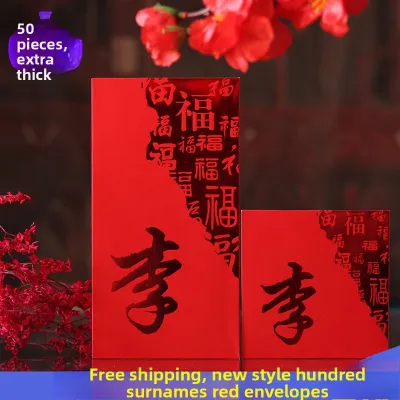
Surname red packets, which feature family names embossed in elegant gold foil or intricate calligraphy, generally come in three main size categories. Standard or long red packets are the most common and versatile option. These envelopes typically measure around 165mm to 170mm in length and 85mm to 90mm in width, allowing most standard banknotes to lie completely flat without any folding.
Products mentioned in this guide

Prices are valid at publication and may change. Please refer to the product page for the latest price.
Medium or square red packets offer a modern aesthetic but have a more restricted capacity. These square designs usually measure around 90mm by 90mm or 110mm by 110mm. Because of their compact shape, they cannot accommodate full-length banknotes unless the notes are folded once or twice, making them more suitable for casual gifting or smaller token amounts.
Mini or novelty red packets are the smallest option available, often measuring under 80mm in length. These are designed for symbolic gestures, small coins, or highly folded single notes. They are rarely used for formal family gatherings or weddings because their limited capacity makes it difficult to present a substantial cash gift neatly.
When evaluating these dimensions, it is essential to consider the envelope’s flap design and sealing mechanism. A slot-in flap requires a portion of the envelope’s back panel to remain clear so the tab can slide in securely, which reduces the actual usable height inside. Adhesive flaps, on the other hand, maximize the internal space but require a clean, flat surface to seal properly without bulging.
Matching Envelope Sizes to Singapore Dollar Denominations
Singapore Dollar banknotes increase in physical size as their denomination rises. While a S$2 or S$5 note is relatively compact, S$10, S$50, and S$100 notes are progressively longer and wider. If you attempt to place a S$50 or S$100 note into a medium or standard-short envelope, you will likely find that the edges of the note protrude or get pinched by the seams.

Stack thickness is another critical factor when selecting your envelope size. A single, crisp S$50 note fits easily into any standard long packet, but a stack of ten S$10 notes creates significant physical bulk. As the thickness of the cash stack increases, it pulls the front and back covers of the envelope closer together, effectively reducing the available width and length of the packet. For thicker stacks, you must choose an envelope with slightly generous dimensions to prevent the paper from tearing.
Keeping banknotes flat and unfolded inside a surname red packet carries significant cultural value. Unfolded notes represent neatness, respect, and a fresh start, which is why long packets are highly favored for major life events, weddings, and elder blessings. A flat presentation allows the recipient to slide the cash out smoothly, maintaining the pristine condition of the notes.
Conversely, choosing an envelope that is excessively large for a small cash amount can affect the visual presentation. A single S$2 note placed inside a jumbo-sized packet can slide around, making the gift feel empty or disproportionate. Matching the scale of the envelope to the volume of the cash ensures a balanced, thoughtful presentation.
How to Verify the Fit Before Purchasing or Packing
To avoid purchasing envelopes that are too small for your planned gifts, always check the manufacturer’s listed inner dimensions rather than relying solely on the outer measurements. Surname red packets often feature thick, glued side seams or heavy cardstock borders that reduce the actual internal pocket space by several millimeters on each side.
Before buying your packets in bulk, use a standard ruler to measure the length, width, and thickness of the cash stack you plan to give. Compare these measurements directly against the envelope’s internal specifications. As a general rule, the envelope’s inner dimensions should be at least 5mm to 10mm larger than the cash stack on all sides to allow for smooth insertion and removal.
If you already have the envelopes on hand, perform a physical test run with a single packet using the exact notes you plan to distribute. Gently slide the notes inside to check if the corners catch on the internal seams or if the flap struggles to close. This simple check prevents you from damaging delicate polymer or paper notes when packing a large batch of gifts.
If you find that your selected packet is slightly too large and the notes slide around excessively, you can insert a clean piece of red cardstock behind the cash. This insert adds structural rigidity, keeps the banknotes centered, and prevents the envelope from bending or creasing during transit.
Handling Mixed Denominations and Special Giving Scenarios
When preparing a gift that contains mixed denominations, such as a combination of S$50 and S$10 notes, always size your envelope based on the largest note in the stack. Align the banknotes neatly by centering them or lining up one edge before sliding them into the packet. This prevents the larger notes from bending at the corners while keeping the entire stack organized.
For corporate events, large family gatherings, or bulk giving where you distribute different cash amounts to multiple recipients, maintaining a uniform envelope size is highly recommended. Using a consistent, long-sized surname red packet across all gifts creates a cohesive and professional appearance. It also ensures that every recipient receives a packet of the same elegant stature, regardless of the specific cash amount inside.
If you plan to include additional flat items alongside the cash, such as a handwritten blessing, a gift card, or a retail voucher, you must account for the extra thickness. These items do not bend as easily as paper currency, so they require a sturdier, slightly wider envelope to ensure the seams do not split and the flap closes flush against the back panel.
Frequently Asked Questions (FAQ)
Can I fold new banknotes to fit them into a standard red packet?
While you can physically fold banknotes to fit into smaller or square red packets, it is generally not recommended for formal gifting. Crisp, flat notes are traditionally preferred as they symbolize respect and a clean beginning. Folding polymer notes can cause permanent creases and make them spring open, which puts pressure on the envelope seams and can cause the packet to burst. If you must fold the notes, a single neat fold is preferable, but upgrading to a long-sized envelope is the best way to preserve the quality of the cash.
Do surname red packets come in different material thicknesses?
Yes, surname red packets are available in a wide range of paper weights, from standard lightweight paper to premium, heavy-duty cardstock. Thicker materials offer a luxurious, rigid feel and protect the contents from bending, but they have very little stretch. When using thick cardstock envelopes, the internal volume is slightly more restricted than in flexible paper envelopes. If you are gifting a thick stack of notes, you may need to select a slightly larger cardstock packet or opt for a more flexible paper material to ensure the flap closes securely.

Community discussion
Share your experience or ask a question. Comments are reviewed before publication.