
Selecting the right stuffing material is the defining step in turning a flat fabric project into a functional, tactile creation. Whether you are crafting a plush toy, stitching a cozy quilt, or sewing custom cushions, the internal fill dictates how the finished piece looks, feels, and holds up over time. Matching the physical properties of the stuffing to the specific demands of your project ensures that your hard work does not lose its shape, become uncomfortably heavy, or degrade after washing.
To make an informed decision, you must look beyond the simple label of “filling” and evaluate how different fibers behave under pressure, how they react to moisture, and how they distribute weight. By understanding these core material characteristics, you can confidently select a fill that provides the exact balance of softness, structure, and durability your project requires.
Understanding Core Stuffing Properties
Every stuffing material possesses a unique set of physical traits that influence the final drape, comfort, and longevity of your sewn items. Before purchasing any filling, it is essential to evaluate three primary properties: loft, texture, and weight.
Products mentioned in this guide
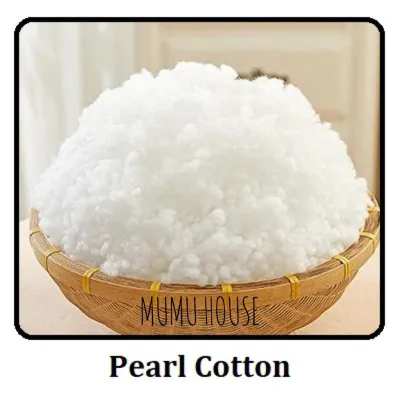
Prices are valid at publication and may change. Please refer to the product page for the latest price.
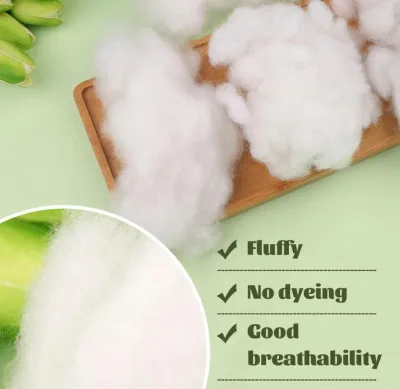
Loft refers to the height and fluffiness of the stuffing, while resilience is the material’s ability to spring back to its original shape after being compressed. High-resilience fibers, such as premium polyester clusters, recover quickly from pressure, making them excellent for items that undergo constant use. Low-resilience materials, like certain natural cotton fills, tend to pack down over time, creating a flatter, denser feel.
The texture of the stuffing determines whether your finished project feels smooth or lumpy. Continuous fiber fills consist of long, interlocking strands that stay cohesive, reducing the risk of separation. Shredded fills, such as shredded foam, offer adjustable density but require careful packing to prevent localized clumping. Weighted pellets, made of plastic or glass, do not provide loft but are used to add structural stability and a pleasing heft to specific areas of a project.
Weight and density directly affect how a project drapes and carries itself. A high-density fill provides firm structural support, which is ideal for floor cushions but too stiff for a lightweight wearable garment. Conversely, a low-density, high-loft fill offers airy warmth without adding unnecessary weight, allowing quilts and clothing to drape naturally.
Matching Stuffing to Specific Sewing Projects
The scale, shape, and intended use of your sewing project are the most critical factors when selecting a stuffing material. A fill that performs beautifully inside a structured decorative cushion may cause a delicate stuffed toy to look misshapen or feel unpleasantly rigid.

Pillows and Cushions
When sewing pillows and cushions, you must balance the need for structural support with personal comfort. Sleeping pillows require a highly resilient, breathable fill that contours to the head and neck while recovering its loft daily. In contrast, decorative throw cushions prioritize crisp edges and a plump appearance, where a firmer, high-loft fill is often preferred to keep the fabric taut.
The choice between shredded and solid cluster fills significantly impacts how a pillow behaves. Shredded foam fills allow you to adjust the firmness by adding or removing material, and they conform easily to pressure. Solid cluster fills, which consist of tiny, independent fiber balls, roll past one another smoothly, preventing the frustrating lumps that often develop in standard loose fiberfill over months of use.
Before purchasing, always check the manufacturer’s packaging for specific claims regarding loft retention and intended use. Look for labels that specify whether the fill is designed for high-use seating or light decorative purposes, as this indicates how well the fibers will resist flattening under consistent weight.
Stuffed Toys and Amigurumi
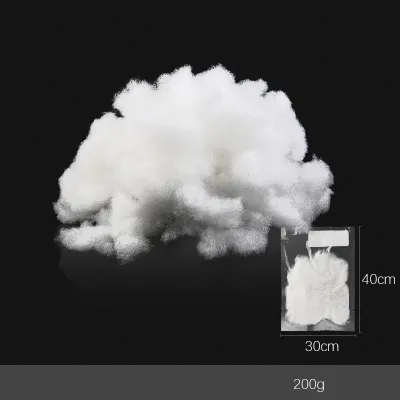
Stuffed toys and amigurumi demand a filling that can conform to intricate shapes, tight corners, and small limbs without stretching the seams or creating unsightly bumps. Fine polyester fiberfill is the standard choice for these projects, as its delicate, slippery fibers can be easily manipulated into tiny spaces using a stuffing tool or a blunt chopstick.
To give a plush toy a realistic weight or to help a knitted figure sit upright on a shelf, you can incorporate weighted plastic pellets or glass beads. To prevent these small pieces from escaping through the stitches, always sew them into a secure, secondary inner bag made of tightly woven fabric before inserting them into the toy.
Safety is paramount when crafting items for children or pets. Carefully inspect packaging labels to verify that the stuffing is non-toxic, hypoallergenic, and compliant with local safety standards. Avoid using loose pellets or small parts in toys intended for infants, as these can present a choking hazard if a seam happens to split during play.
Quilts and Wearables
Quilts, quilted jackets, and other wearable textile projects require flat, consistent insulation rather than loose, high-volume stuffing. For these applications, continuous sheets of batting are the industry standard, as they provide uniform warmth and thickness across a large surface area.
When choosing batting, evaluate the warmth-to-weight ratio based on the product specifications. Natural fibers like cotton and bamboo offer excellent breathability and a low profile, making them highly suitable for warm, humid climates where heavy insulation is undesirable. Polyester and wool batting provide higher loft and greater warmth for cooler environments without adding excessive weight to the garment or quilt.
Always check the product label for shrinkage rates and shift-resistance claims before cutting your fabric. Some natural battings shrink slightly during the first wash, creating a classic, puckered vintage look, while synthetic options maintain their exact dimensions. Ensure the batting’s recommended quilting distance matches your planned stitching pattern to prevent the inner fibers from shifting or bunching over time.
Evaluating Washability and Long-Term Care
A beautifully finished sewing project can quickly be ruined if the internal stuffing cannot withstand proper cleaning. Before committing to a fill, consider how the item will be used and how frequently it will need to be washed.
Always read the care labels on the stuffing packaging to identify machine-washable, tumble-dry, or dry-clean-only restrictions. Synthetic polyester fills are generally highly tolerant of machine washing and dry quickly, making them practical for everyday household items. Natural fills, such as wool or down, often require delicate hand washing or professional dry cleaning to prevent felting, shrinking, or clumping.
Moisture retention is a critical factor, particularly in humid environments where slow drying times can lead to the growth of mold or mildew inside the project. Synthetic fibers repel water and dry rapidly, whereas dense cotton or down fills hold onto moisture for extended periods. If you are stuffing a large cushion that will be used outdoors or in a humid room, select a quick-drying, mildew-resistant synthetic fill to ensure long-term hygiene.
Over time, all stuffing materials experience some degree of wear. Keep an eye out for signs of fill degradation, such as permanent flattening, fiber breakdown, or persistent clumping that cannot be massaged out. When these signs appear, it indicates that the fibers have lost their structural integrity and the item may need to be opened and refilled to restore its original comfort.
Practical Tips for Buying and Testing Stuffing
Evaluating the quality of stuffing before you buy it can save you significant time and frustration during the sewing process. If you are shopping in a physical craft store, you can perform a few simple checks to assess the material’s performance.
Begin by performing a simple compression and release test. Squeeze a handful of the loose stuffing or a sample of the batting tightly in your fist for five seconds, then release your grip. High-quality stuffing should spring back to its original volume almost instantly; if it remains compressed or recovers slowly, it may flatten quickly once stuffed inside a project.
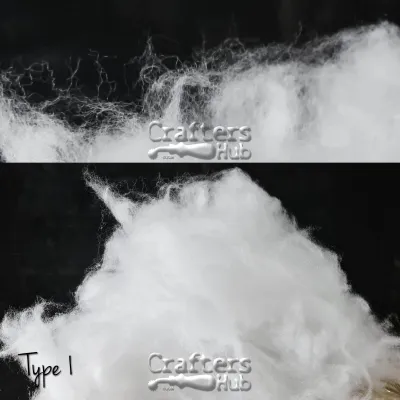
Next, visually inspect the packaging for quality and consistency. The fibers should display a uniform distribution without dense, hard knots or thin, transparent patches. Ensure the color is consistent throughout and that there is no visible debris, dust, or chemical odor, which can indicate poor manufacturing standards or improper storage.
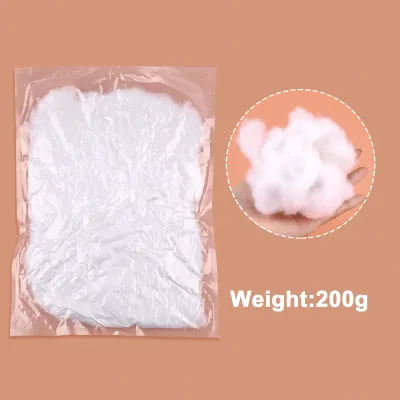
To calculate how much stuffing you need to buy, consult your sewing pattern’s material list or estimate the volume of your project. For reference, a standard 45-centimeter square throw pillow typically requires approximately 350 to 500 grams of standard polyester fiberfill to achieve a medium firmness. In local craft shops, a standard 250-gram bag of polyester stuffing generally costs between S$5 and S$10, allowing you to budget your project costs accurately before heading to the register.
Frequently Asked Questions (FAQ)
Can I use old clothing or fabric scraps as stuffing?
Yes, upcycling fabric scraps and old clothing is an excellent, eco-friendly way to fill sewing projects, provided you prepare the materials correctly. To prevent hard lumps and uneven weight distribution, cut the textiles into very small, uniform pieces rather than stuffing large fabric chunks into the opening. Avoid incorporating heavy seams, zippers, metal buttons, or non-washable materials that could tear the outer fabric or rust during washing. Keep in mind that upcycled fabric fill is significantly heavier and denser than commercial fiberfill, making it unsuitable for projects that require high loft, lightweight warmth, or strict hygiene standards, such as baby toys or sleeping pillows.
How do I fix a stuffed project that has become lumpy?
If a stuffed item has become lumpy over time, you can often restore its shape using gentle, non-destructive methods. Start by massaging the exterior of the project, using your fingers to pinch and pull apart the internal clumps through the outer fabric. For stubborn lumps in machine-washable items, place the project in a clothes dryer on a low-heat or air-only setting along with two or three clean dryer balls or tennis balls; the physical agitation will help fluff the fibers. If the clumping is severe, carefully open a small section of a hidden seam, insert a blunt tool or your fingers to manually redistribute or replace the degraded fill, and then close the opening with a neat ladder stitch.

Community discussion
Share your experience or ask a question. Comments are reviewed before publication.