
Using stickers in primary school books is a highly effective way to support a child’s developmental milestones, organizational skills, and academic progress. In Singapore, where primary school students transition from play-based learning to structured academic subjects, stationery choices play a subtle but important role in daily study habits. Selecting the right stickers involves matching their physical properties—such as size, adhesive strength, and surface texture—to your child’s current grade level and fine motor capabilities.
At different stages of primary school, a child’s relationship with their books changes. Lower primary students benefit from tactile, highly visual stickers that encourage positive reinforcement and basic organization. As they progress to middle primary, stickers become functional tools for categorizing subjects and tracking homework. By upper primary, students require minimalist, high-efficiency indexing systems to manage dense revision materials and exam preparation. Aligning your stationery choices with these developmental shifts ensures that stickers remain helpful learning aids rather than distracting clutter.
Lower Primary (Primary 1 and 2): Building Habits and Early Recognition
The transition into Primary 1 and 2 marks a significant shift as young learners begin managing their own textbooks, workbooks, and files. At this stage, children are still developing their fine motor skills and spatial awareness. Stickers designed for lower primary students should feature large, simple shapes and high-contrast colors that are easy to identify and handle. Complex shapes with intricate borders can easily tear when small hands attempt to peel them, leading to frustration during classroom activities.
Products mentioned in this guide
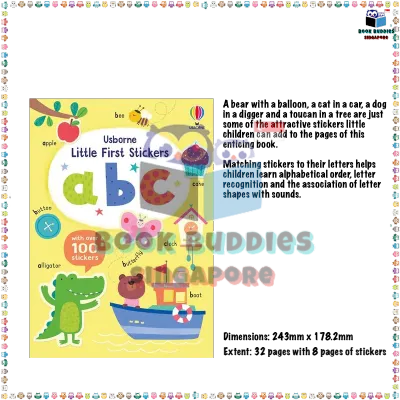
![[SG STOCK] Usborne First Sticker Book All Titles - Age 3+ Toddler Interactive Activity Book Kids Early Learning Travel Educational Activity Sticker Book](https://img.lazcdn.com/g/p/b0a81fabd1af5aac0e78a27bd0889584.jpg_400x400q80.jpg_.webp)
![[SG] USBORNE First Sticker Book Educational Activity Books Gifts Presents Ideas](https://img.lazcdn.com/g/p/7a5553bc0420665cb53d2f95c37cc3af.jpg_400x400q80.jpg_.webp)
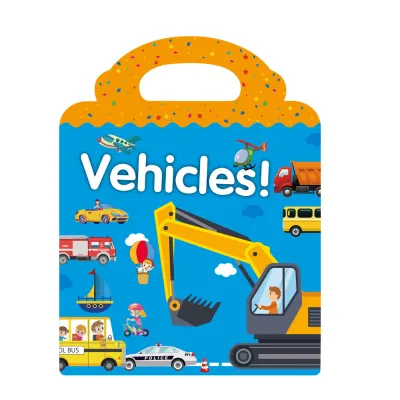
![[SG STOCK] Reusable Sticker Book with Handle - Age 2+ Kid Children Toddler Early Learning Sticker Activity Book Portable Travel Toy Gift](https://img.lazcdn.com/g/p/49ca52faebafebc206722e3c1f935edb.png_400x400q80.png_.webp)
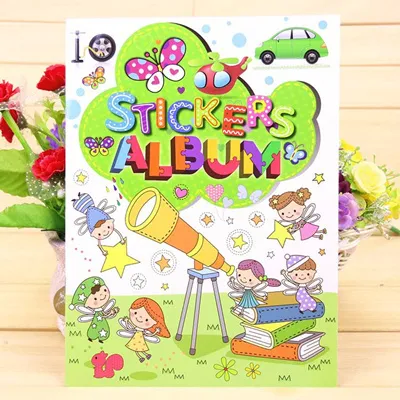
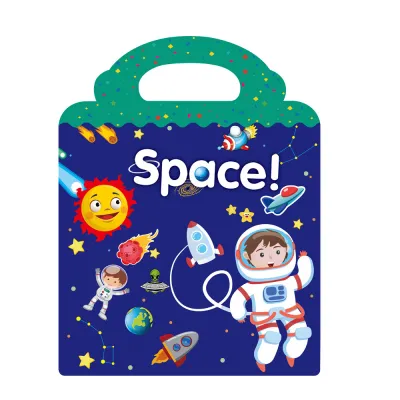
Prices are valid at publication and may change. Please refer to the product page for the latest price.
Opting for stickers with removable adhesives is essential for this age group. Young children frequently make mistakes when placing stickers, and permanent adhesives can easily rip the delicate paper of early-reader books or school worksheets. Removable options allow children to adjust the placement independently, fostering a sense of autonomy and confidence in organizing their own materials.
These stickers serve several practical purposes in a lower primary student’s daily routine. Parents can place simple reward charts on the inside covers of homework folders, allowing children to apply a sticker once a daily reading or spelling task is completed. They are also highly useful for creating clear, color-coded name labels on shared classroom materials, helping children quickly identify their own books in a busy classroom environment. Additionally, simple shape or color stickers can be placed next to challenging sight words or phonics rules to serve as visual anchors during home revision.
Middle Primary (Primary 3 and 4): Curriculum Support and Book Organization
As students enter Primary 3 and 4, the academic curriculum expands to include new subjects like Science, and the volume of textbooks and assessment books increases. At this stage, stickers transition from simple motivational rewards to functional tools that support curriculum organization. Students now possess the fine motor control required to handle medium-sized stickers, functional index tabs, and subject-specific markers.

When selecting stickers for middle primary students, prioritizing writable surfaces is key. Matte paper stickers or specialized writable film options allow children to write short notes, dates, or key vocabulary words directly on the sticker using standard pencils or ballpoint pens. Glossy or laminated stickers should generally be avoided for this purpose, as standard school pens often smudge on their slick surfaces, making organization messy and difficult to read.
Practical applications in middle primary focus heavily on categorization and tracking. Students can use color-coded index tabs to create clear chapter dividers in thick science or mathematics textbooks, making it easier to flip to specific topics during lessons. They are also highly effective for marking corrected mistakes in assessment books; a small, bright sticker can highlight a question that needs to be re-attempted before exams. In multi-use notebooks, these stickers help divide sections for spelling lists, grammar rules, and creative writing drafts, keeping a single notebook neat and structured.
Upper Primary (Primary 5 and 6): Advanced Planning and Exam Revision
In Primary 5 and 6, students face dense study materials, past-year exam papers, and rigorous revision schedules. The focus shifts entirely to efficiency, clarity, and space-saving organization. Large, decorative stickers are no longer practical, as they can crowd page margins and obscure critical printed text or diagrams. Instead, upper primary students require compact, low-profile stickers such as narrow color-coded flags, small dots, and thin index tabs.
Repositionable and writable materials are highly beneficial for these older students. As study schedules change and topics are mastered, students need to move index flags without tearing the thin paper of exam booklets or thick assessment guides. Writable flags allow students to label specific revision topics, note down formula names, or mark the exact date a past-year paper was completed, providing a clear visual record of their exam preparation progress.
These minimalist stickers are invaluable for prioritizing revision topics. For instance, a student can use a red flag for topics requiring urgent review, yellow for moderate understanding, and green for fully mastered concepts. They also serve as quick-reference indexes for thick assessment books, allowing students to jump directly to specific formula sheets or answer keys. This systematic approach reduces time spent searching through stacks of paper, allowing students to focus their energy on actual study and revision.
Essential Checks Before Buying Stickers for Books
Before purchasing any stickers for schoolbooks, it is important to perform a few quick checks to ensure they are suitable for educational use. First, verify the adhesive type indicated on the product packaging. Look for terms like “removable,” “repositionable,” or “low-tack.” Avoid heavy-duty or permanent adhesives, which are designed for crafting or outdoor use and will permanently bond to paper, making future removal impossible without destroying the book page.
Material safety is another critical consideration, particularly for younger children who may handle stickers frequently throughout the day. Check the packaging for clear safety certifications or indications of non-toxic inks and acid-free adhesives. Acid-free stickers are especially important for books you intend to keep or pass down, as standard adhesives can yellow and degrade paper fibers over time.
Finally, consider the physical dimensions of the stickers in relation to your child’s books. Measure or estimate the margin space available in standard textbooks and workbooks. Choosing stickers that are too large will result in covered text, blocked page numbers, or overhangs that collect dust and tear easily. Selecting compact, appropriately sized stickers ensures that the book remains fully readable and neat.
Practical Guidelines for Applying and Removing Book Stickers
Proper application and removal techniques help maintain the condition of schoolbooks and extend the life of the stickers themselves. Before applying any sticker, ensure that both your child’s hands and the book surface are clean and dry. Dust, moisture, or natural skin oils can weaken the adhesive backing, causing the edges of the sticker to curl and peel prematurely. Press the sticker down firmly from the center outward to prevent air bubbles and ensure even contact with the page.
When it comes to removing stickers, a gentle and patient approach is necessary to prevent paper damage. Slowly peel the sticker back at a flat, 180-degree angle rather than pulling it straight upward at a 90-degree angle. Pulling upward exerts more tension on the paper fibers, increasing the risk of a tear. If the paper begins to lift or show signs of resistance, stop immediately; this indicates the adhesive has bonded too strongly, and further pulling will damage the page.
To keep unused stickers in optimal condition for the school year, store them flat in a cool, dry place. Avoid leaving sticker sheets in areas exposed to direct sunlight, high humidity, or heat, such as near windows or inside hot school bags left outdoors. Excessive heat can melt the adhesive, causing it to bleed past the edges of the sticker backing, while high humidity can warp the paper carrier sheet and ruin the stickers before they are ever used.
Frequently Asked Questions (FAQ)
Can I use standard decorative stickers for textbook labeling?
Standard decorative stickers are often made of glossy vinyl or laminated paper, which are designed for visual appeal rather than functionality. While they can be used for basic decoration on plastic book covers, they are generally unsuitable for textbook labeling because they do not accept ink well. Standard ballpoint pens and pencils will smudge or fail to write on these slick surfaces. For labeling names, subjects, and dates, it is highly recommended to use matte paper stickers or specialized writable labels that ensure the ink dries quickly and remains legible throughout the school year.
How do I safely remove sticky residue from book pages or covers?
Removing sticky residue from paper pages requires extreme care to avoid tearing. For standard paper pages, avoid using liquid adhesive removers, oils, or water, as these will stain and warp the paper. Instead, try using a clean, soft art eraser to gently roll the residue away, applying very light pressure. For plastic-coated book covers, you can use a small piece of low-tack adhesive tape, pressing it gently over the residue and lifting it repeatedly to pull the sticky spots away. Always test any removal method on a small, inconspicuous corner of the book first to ensure it does not lift the printed ink or damage the surface material.

Community discussion
Share your experience or ask a question. Comments are reviewed before publication.