
Selecting the right sticker book for a primary school student in Singapore requires balancing developmental benefits, practical school rules, and a child’s evolving academic needs. From the tactile, motor-skill-building activities of Primary 1 to the highly organized, stress-relieving planner routines of Primary 6, stickers serve as more than just simple decorations. They act as functional tools for learning, organization, and positive reinforcement when chosen with care. By matching the physical qualities and themes of a sticker book to a child’s specific grade level, parents can support their child’s educational journey while keeping school materials neat and tidy.
Key Features to Check Before Buying a Stickers Book
Before diving into grade-specific recommendations, it is essential to evaluate the physical and functional qualities of a sticker book. Sticker books play a multi-faceted role in a primary school child’s routine. In the early years, they are excellent tools for developing spatial awareness and fine motor skills. As students progress, stickers transition into organizational aids that help manage homework deadlines, project milestones, and personal goals. Choosing the wrong type of sticker, however, can lead to damaged school property or cluttered school bags.
Paper quality and adhesive type are the most critical technical specifications to verify before making a purchase. Standard school exercise books and textbooks in Singapore often utilize lightweight paper that is highly susceptible to tearing. To prevent damage, look for sticker books that explicitly feature repositionable or low-tack acrylic adhesives. These stickers can be easily peeled off and adjusted without ripping the underlying page or leaving a sticky residue. Permanent adhesives, while durable, should be reserved for labeling personal items like water bottles or pencil cases rather than school-issued learning materials.
Products mentioned in this guide
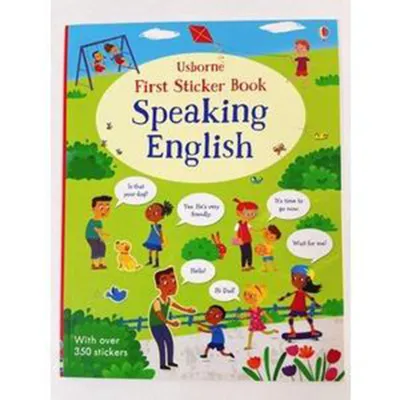
![[Bu Dudu]Usborne Stickers Books Toddlers sticker Kids Stickers Playing Book Children Early Educational Toys Early Development Book](https://img.lazcdn.com/g/p/0e712c83c00084cfafb5cd750d33d91c.jpg_400x400q80.jpg_.webp)
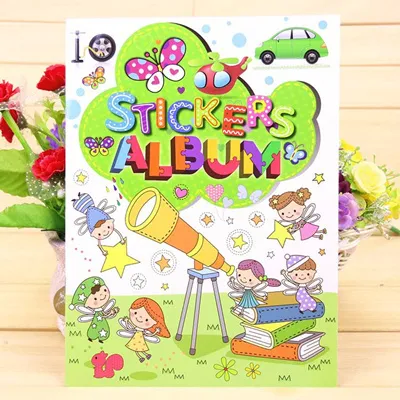
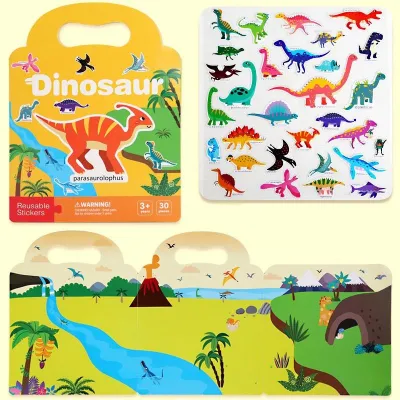
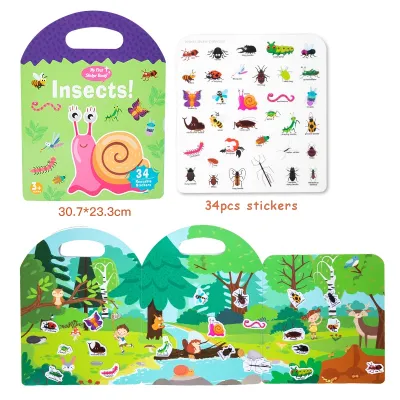
![[SG] Reusable Sticker Book for Kids - Waterproof Silicone Jelly Sticker Activity Book Travel Toy](https://img.lazcdn.com/g/p/c2432a501a90f68f3412cbeea6188968.jpg_400x400q80.jpg_.webp)
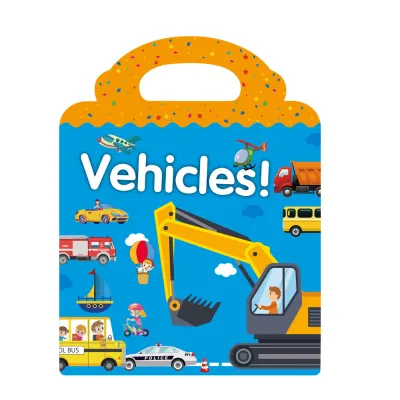
Prices are valid at publication and may change. Please refer to the product page for the latest price.
To verify how a sticker will behave on a specific notebook, parents and students can perform a simple, observable trial. Apply a single sticker to an inconspicuous back page of the notebook, press down firmly, and leave it for twenty-four hours. Gently peel the sticker back at a flat angle; if the paper fibers lift or the sticker tears, the adhesive is too strong for that specific paper weight. Additionally, check if the sticker material is water-resistant, especially if it will be placed on items exposed to daily wear, condensation, or high humidity.
Size and portability are equally important when selecting stationery for school use. A student’s school bag is often packed tightly with textbooks, files, and writing tools. Large, heavy sticker pads are impractical for daily transit and are best kept at home for weekend activities. For school use, opt for compact, A5-sized sticker books or slim sticker sheets that slide easily into a standard homework folder or a zippered pencil case. Binding type also matters; spiral-bound sticker books allow pages to lie completely flat during use, while staple-bound sheets are lightweight and highly portable.
Finally, assess the theme and design of the sticker book to ensure it aligns with general school rules. While vibrant and colorful designs are engaging, overly distracting themes can draw a child’s attention away from lessons. Look for sticker books that offer a balance of educational, motivational, and simple decorative designs. Selecting themes that complement classroom learning helps ensure the stickers remain a constructive part of the student’s daily routine rather than a classroom distraction.
How to Match Sticker Books to Each Primary Grade Level
As children progress through primary school, their cognitive abilities, motor skills, and academic responsibilities undergo significant changes. A sticker book that delights a Primary 1 student will likely feel under-stimulating or childish to a Primary 6 student preparing for national examinations. Matching the complexity, size, and utility of stickers to a child’s developmental stage ensures the stationery remains both engaging and age-appropriate.

In the lower primary years, the focus is primarily on physical coordination, basic literacy, and immediate positive reinforcement. As students enter middle primary, the introduction of new subjects and increased homework requires tools that assist with categorization and basic time management. By upper primary, stickers become a medium for self-expression, detailed planning, and stress relief. Understanding this developmental trajectory allows parents to select sticker books that actively support their child’s growth at every milestone.
Primary 1 and 2: Building Fine Motor Skills and Basic Recognition
For students in Primary 1 and Primary 2, sticker books should focus heavily on physical interaction and foundational learning. At this stage, children are still refining their fine motor skills and hand-eye coordination. Look for sticker books that feature large, die-cut stickers with wide, easy-to-grasp borders. Stickers that are at least two to three centimeters in diameter allow small fingers to peel and place them independently, reducing frustration and building confidence.
Educational reinforcement is another key benefit of sticker books for lower primary students. Books that incorporate alphabets, numbers, and basic sight words can turn learning into an interactive game. For example, matching a word sticker to its corresponding illustration in a book helps reinforce phonics and vocabulary taught in school. These interactive elements make abstract concepts tangible, helping young learners retain information through active, hands-on play.
Simple reward stickers are also highly effective for positive reinforcement at home and in the classroom. Classic designs such as bright stars, smiley faces, and simple encouraging words like “Great Job!” or “Super!” provide immediate visual feedback. Parents can use these stickers on spelling lists (ting xie) or daily reading logs to celebrate effort and progress. This simple visual reward system helps build a positive association with schoolwork and daily routines.
Primary 3 and 4: Supporting Subject Learning and Organization
As students transition into Primary 3 and Primary 4, they face a broader curriculum, including the introduction of Science and more structured homework assignments. To help manage this transition, look for subject-specific sticker books. Stickers featuring science icons (like microscopes or leaf patterns), mathematical symbols, or grammar tags can be used to color-code and categorize exercise books. This visual organization makes it easy for students to quickly locate the correct notebook in their school bags.
Middle primary is also the ideal time to introduce basic planning habits. Functional stickers such as small checkboxes, exclamation marks for urgent tasks, and date markers can be integrated into student planners or homework diaries. Teaching children to place a colorful sticker next to an upcoming spelling test or project deadline encourages them to take ownership of their schedules. This simple habit lays the foundation for effective time management in later years.
When choosing decorative or thematic sticker books for this age group, look for sets that align generally with primary school syllabus topics. Themes featuring local flora and fauna, environmental conservation, or historical milestones can spark curiosity and reinforce classroom learning. These educational themes provide a constructive outlet for creativity without distracting from the academic focus of the middle primary years.
Primary 5 and 6: Planners, Journaling, and Stress Relief
By Primary 5 and Primary 6, students are managing heavier academic workloads, longer school hours, and preparation for major examinations. At this stage, sticker books serve primarily as tools for detailed planning, personal journaling, and stress relief. Aesthetic and minimalist designs, such as pastel color palettes, botanical illustrations, and elegant line art, are highly popular among older primary students who use journaling as a creative way to unwind after school.
Highly functional planner stickers are incredibly valuable for upper primary students. Look for sticker books that include exam countdown markers, assignment trackers, study-time blocks, and motivational quotes. These stickers help students break down large revision goals into manageable daily tasks, making exam preparation feel less overwhelming. Using visual cues in a planner helps older students stay organized and focused during busy academic terms.
It is also important to choose subtle, mature themes that suit a senior primary school environment. Older students often prefer sophisticated, clean designs over cartoonish characters. Sleek geometric patterns, functional index tabs, and minimalist labels allow students to personalize their planners and notebooks in a way that feels mature and organized. This transition to more sophisticated stationery reflects their growing independence and academic maturity.
Using Sticker Books for School Routines and Rewards
Integrating sticker books into a child’s daily routine can be a highly effective way to encourage positive habits, provided it is done in a way that respects school policies. Before allowing your child to bring stickers to school, always check the specific guidelines outlined in the school’s student handbook. While some teachers welcome the use of functional stickers in student planners, others may restrict decorative items to minimize distractions during lessons. Ensuring your child understands and follows these rules prevents unnecessary classroom disruptions.
At home, sticker books can be used to establish a highly motivating reward system. Create a simple chart for daily routines, such as packing the school bag the night before, completing homework on time, or practicing spelling. Allow your child to choose and place a sticker on the chart each time a task is completed successfully. To keep the system sustainable, focus on celebrating consistency and effort, and consider tying the accumulated stickers to non-material rewards like extra playtime or a family outing.
Teaching children how to apply stickers neatly is also an important lesson in respecting property. Emphasize that stickers should only be placed on personal items, such as dedicated sticker collecting books, personal journals, or home study folders. Instruct them never to apply stickers to school-issued textbooks, library books, classroom desks, or shared school resources. By establishing clear boundaries, parents can ensure that sticker play remains a clean, organized, and respectful activity.
Common Mistakes to Avoid When Buying School Stickers
One of the most common mistakes when purchasing sticker books is selecting products with overly strong adhesives. Industrial-strength or low-quality adhesives can bond permanently to paper surfaces, making them nearly impossible to remove without tearing the page. This is particularly problematic for school-issued materials or rented textbooks that must be returned in pristine condition. Always opt for stickers labeled as removable, repositionable, or low-tack to ensure they can be lifted safely if placed accidentally.
Another common pitfall is buying 3D, puffy, or gemstone stickers for school notebooks. While these textured stickers are visually appealing and fun to touch, they add significant bulk to exercise books and planners. When multiple notebooks with puffy stickers are stacked together in a school bag or locker, the uneven pressure can cause the paper pages of adjacent books to indent, crease, or even tear. To keep school bags slim and notebooks easy to stack, stick to flat, paper-based or thin vinyl stickers for school use.
Finally, safety should always be a priority, especially for younger primary students who may still have a habit of touching their mouths or handling food after playing with stationery. Always check the sticker book packaging for non-toxic material indicators, such as compliance with international safety standards like EN71 or ASTM D-4236. Avoid sticker books that emit a strong, chemical or plastic odor, as this often indicates the use of harsh solvents or low-quality plastics. Choosing high-quality, certified non-toxic sticker books ensures a safe and worry-free creative experience for your child.
Frequently Asked Questions (FAQ)
Can my child bring a stickers book to school in Singapore?
Whether a child can bring a sticker book to school depends largely on the individual school’s rules and how the stickers are used. Generally, functional stickers used for organizing student planners, tracking homework, or labeling personal stationery are permitted. However, large, play-oriented sticker books that serve as toys or distractions during lesson time are typically not allowed and may be kept by the teacher until the end of the day. It is always best to consult the school’s student handbook or check directly with your child’s form teacher to clarify their specific classroom policies.
How do I remove sticker residue from a school textbook?
To remove sticky residue from a school textbook without damaging the cover, start with the gentlest method possible. For plastic-coated book covers, you can use a soft plastic eraser to gently rub over the residue; the friction will often cause the adhesive to ball up so it can be easily brushed away. If the residue persists, apply a tiny drop of cooking oil to a microfiber cloth and rub the spot gently in a circular motion, then wipe the area clean with a slightly damp, soapy cloth. Avoid using harsh chemical solvents like acetone or nail polish remover, as these can dissolve the printed ink on the book cover or warp the paper pages underneath.

Community discussion
Share your experience or ask a question. Comments are reviewed before publication.