
Preparing your child for a new school year involves organizing a vast array of books, stationery, and personal items. Among the most versatile tools for this task are sticker stamps, which serve as an efficient way to label belongings, track homework, and provide encouragement. Choosing the right sticker stamps requires matching the child’s developmental stage, motor skills, and organizational needs with the appropriate stamp mechanism and ink type.
For younger children, large-grip, washable reward stamps keep them motivated while keeping clean-up simple. As students progress into upper primary and secondary school, the focus shifts toward custom name stamps for labeling personal belongings and minimalist, functional stamps for note-taking and organization. By selecting stamps tailored to each grade level, parents can streamline back-to-school preparations and help their children develop strong organizational habits.
Core Selection Criteria for School Sticker Stamps
To make an informed purchase, it is helpful to clarify what “sticker stamps” means in the context of school supplies. This category encompasses custom name stamps, self-inking reward stamps, and decorative roller stamps. While some stamps print directly onto paper surfaces, others are designed to stamp onto adhesive labels or iron-on fabric tape, offering a versatile alternative to traditional handwritten labels.
Products mentioned in this guide
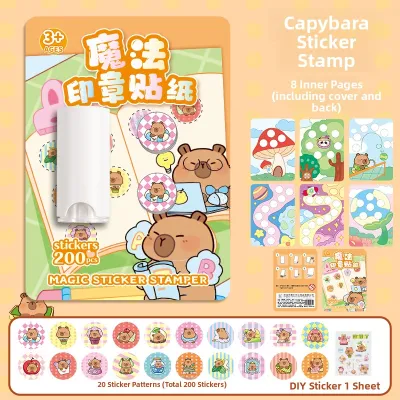
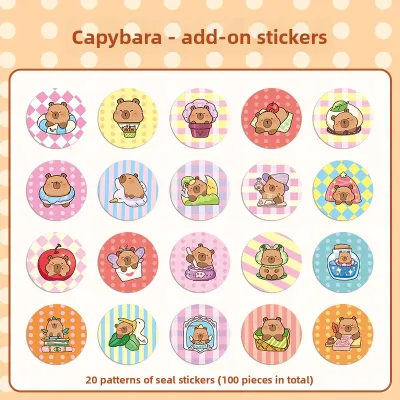
Prices are valid at publication and may change. Please refer to the product page for the latest price.
Ink safety and washability are paramount when selecting stamps for school-aged children. Because children handle these items daily, parents should check product packaging for non-toxic certifications, such as EN71 or ASTM D-4236. Water-based inks are highly recommended for younger students as they wash off skin and fabrics easily, whereas oil-based or permanent inks are better suited for older students who require smudge-resistant labels on non-paper surfaces.
The physical mechanism of the stamp also dictates its suitability for school use. Self-inking stamps feature an internal ink pad that automatically inks the rubber die after each press, making them clean, portable, and highly efficient for busy classrooms. Traditional rubber stamps, which require a separate ink pad, offer the flexibility of switching between different ink colors but carry a higher risk of accidental spills and ink-stained fingers inside a school bag.
Finally, size and impression clarity must be matched to the intended application. For labeling narrow notebook margins, textbook covers, or small stationery items like rulers and pens, a compact impression size of approximately 10mm by 30mm is ideal. Because smoothness, bleed resistance, drying speed, and water resistance depend entirely on the exact combination of ink and paper material, parents should perform a simple trial. Stamp a scrap piece of the school notebook paper, wait ten seconds, and rub the impression to check for smudging, then flip the page to verify that the ink has not bled through to the other side.
Lower Primary (Grades 1 to 3): Prioritizing Safety, Grip, and Motivation
Children entering Lower Primary are navigating a transition to structured learning while still developing their fine motor skills. During this stage, the physical design of the stamp is just as important as the mark it leaves. Stamps featuring large, rounded, or spherical handles are highly recommended, as they allow young children to use a full-hand grip rather than a precise finger pinch. This ergonomic support ensures they can apply even pressure, resulting in clear impressions without straining their hands.

Visual encouragement plays a significant role in building confidence and positive associations with schoolwork at this age. Simple, bright, and highly motivating reward patterns are excellent choices for home study sessions and classroom activities. Look for designs featuring classic symbols like stars, smiley faces, thumbs-up icons, or short, positive phrases such as “Great Effort!” or “Keep It Up!” These visual cues provide instant, easily understood feedback that celebrates progress.
Given the high likelihood of accidental stamping on hands, arms, school uniforms, and desks, strict safety and washability standards are non-negotiable for lower primary students. Water-based, washable inks prevent permanent stains on expensive school uniforms and school bags. Before sending a new stamp to school in your child’s pencil case, conduct a quick home test by stamping a piece of scrap fabric, letting it dry, and verifying that it washes out completely with standard laundry detergent and cold water.
Upper Primary (Grades 4 to 6): Shifting to Organization and Personalization
As students enter Upper Primary, their academic workload increases, and they are expected to take greater responsibility for managing their own belongings. This developmental shift marks the ideal time to introduce custom name sticker stamps. These stamps allow students to quickly and neatly label their textbooks, exercise books, folders, and personal stationery items, reducing the likelihood of lost property in shared classroom spaces.
At this stage, the purpose of stamps transitions from purely motivational rewards to functional organization. Students can benefit from using stamps that help them track their homework, corrections, and project deadlines. Stamps featuring functional text such as “Checked,” “Completed,” “Correction Done,” or designs with adjustable date wheels allow older primary students to take ownership of their learning workflows and keep their notebooks highly organized.
Evolving personal preferences also dictate the design choices for this age group. Upper primary students often outgrow cartoonish designs and prefer more mature, personalized styles. Look for custom name stamps with clean typographic layouts, simple geometric borders, or subtle icons that reflect their individual hobbies and interests. Offering a choice of ink colors, such as classic blue, black, or green, allows them to personalize their school supplies while maintaining a neat and orderly appearance.
Secondary School: Functional, Discreet, and Utility-Focused Stamps
Secondary school students require highly practical, efficient, and discreet stationery tools to manage a demanding curriculum. At this level, playful designs are replaced by utility-focused stamps that streamline daily academic tasks. A customizable name stamp that includes the student’s class, contact number, or email address is incredibly useful for marking high-value items like scientific calculators, lab coats, and expensive reference textbooks.
For teenagers, stamps serve as powerful productivity aids during note-taking and exam preparation. Minimalist, text-based stamps or compact icon stamps are ideal for bullet journaling, organizing study planners, and highlighting key concepts in lecture notes. Stamps featuring symbols like check boxes, exclamation marks, or words like “Urgent,” “To-Do,” and “Review” help students categorize information quickly without disrupting their writing flow.
Because secondary school students handle a high volume of paperwork, durability and ink longevity are critical considerations. Choose stamps constructed with robust plastic or metal-reinforced casings that can withstand being tossed into crowded school bags. Verify the manufacturer’s specifications for estimated impression counts, and opt for high-capacity self-inking models that can deliver thousands of clean, sharp impressions before requiring an ink refill or a replacement pad.
Pre-Purchase Checklist and School Policy Verification
Before finalizing your back-to-school stamp purchases, it is essential to verify that your choices align with school guidelines. Some schools have strict policies regarding the personalization of school-issued property, rented textbooks, or shared digital devices. Ensure that any stamp applied directly to school property is easily removable or restricted to personal notebooks and stationery items to avoid violating school rules.
Long-term maintenance is another practical factor to consider before buying. To ensure your investment lasts throughout the school year and beyond, check the availability of compatible ink refills and replacement stamp pads. Opting for brands that offer easily accessible refill bottles—which typically cost between S$3 and S$5—is far more cost-effective and environmentally friendly than replacing the entire stamp mechanism when the ink runs dry.
Proper storage is vital to prevent stamps from leaking, drying out, or accidentally marking other items inside a school bag. Look for stamps that feature a secure, click-lock protective cap or a sliding locking mechanism that keeps the ink pad sealed when not in use. Instruct your child to store their stamps upright in a dedicated compartment of their pencil case, away from direct sunlight and heat sources, to maintain ink quality and prevent premature drying.
Frequently Asked Questions (FAQ)
How can I remove stamp ink stains from school uniforms?
Always check the garment’s care label before applying any stain treatment to avoid damaging the fabric. For water-based inks, flush the stained area from the reverse side with cold running water to push the pigment out of the fibers. Apply a small amount of mild, fabric-safe liquid laundry detergent directly to the stain, gently work it in with your fingers, and let it sit for five minutes before washing the garment as usual. Avoid using harsh bleaching agents or hot water, which can set the stain permanently. If the uniform is made of delicate material or the stain persists, consult a professional dry cleaner.
Do self-inking stamps dry out if left in a school bag?
Self-inking stamps can dry out over time if they are exposed to air, heat, or stored incorrectly. To prevent this, always ensure the protective cap is clicked firmly into place or the locking mechanism is fully engaged after every use. Keep the stamp stored in a cool, shaded pocket of the school bag, away from direct sunlight or hot lockers, which accelerate ink evaporation. If the impressions begin to look faint, check the manufacturer’s guidelines to see if the internal pad can be refreshed with a few drops of compatible refill ink, or if the stamp pad needs to be replaced entirely.

Community discussion
Share your experience or ask a question. Comments are reviewed before publication.