
Selecting the right sticker album for your child is more than just finding a colorful cover. It requires matching the physical format of the album to your child’s developmental stage, fine motor skills, and evolving organizational habits. In Singapore, where sticker trading is a popular recess pastime, having an age-appropriate album helps children manage their collections independently without frustration. By aligning the album’s design with your child’s school grade, you can support their creative play while encouraging organizational skills that extend beyond their stationery collection.
As children progress through primary school, their relationship with stationery changes from tactile, sensory play to structured curation. A book that is too complex can discourage a younger child, while a book that is too simple will quickly lose the interest of an older student. Understanding these developmental shifts allows you to make an informed purchase that matches your child’s current abilities and interests.
What to Look for in a Sticker Album by Age and Grade
Choosing a sticker album requires an understanding of how a child’s physical and cognitive abilities evolve between the ages of seven and twelve. Fine motor skills progress significantly during these primary school years. Younger students are still refining their pincer grasp, making the physical act of peeling and placing stickers a primary focus of their play. Older students, having mastered these physical movements, look for precision and aesthetic control over where and how their stickers are displayed.
Products mentioned in this guide
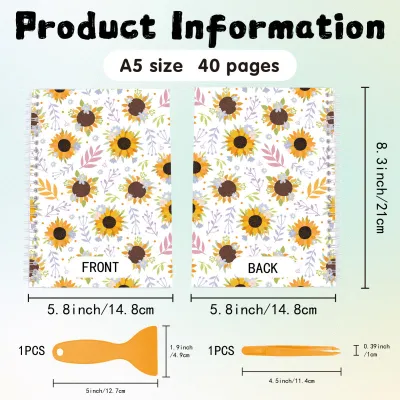
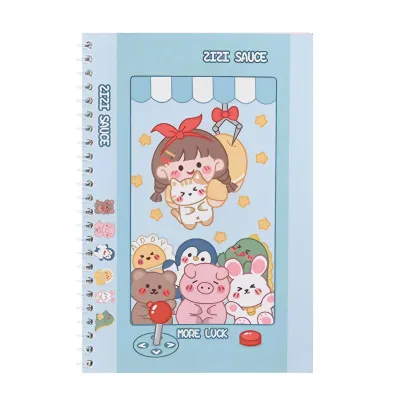
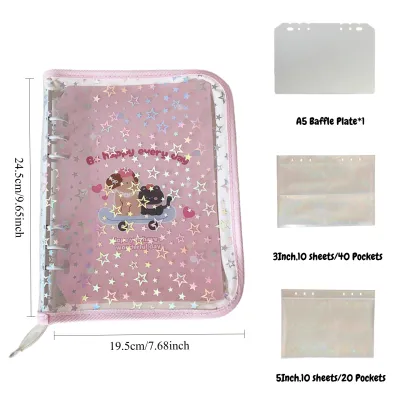
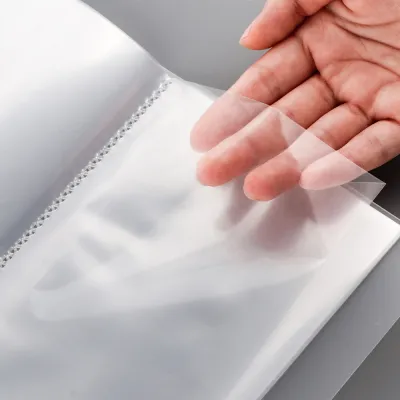
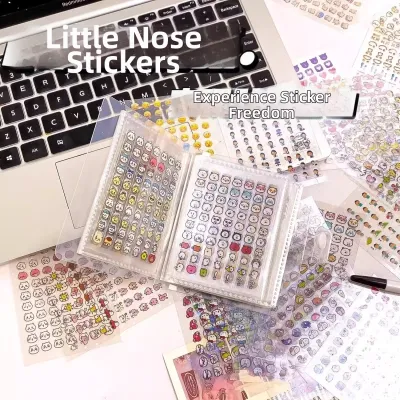
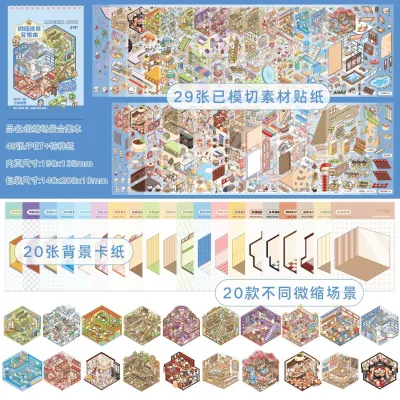
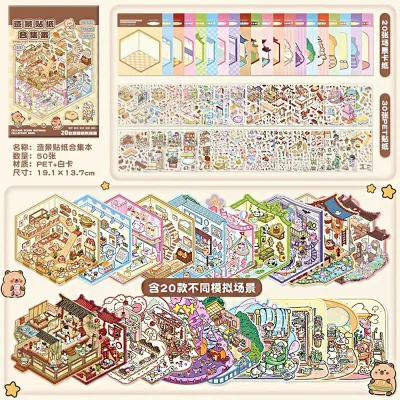
Prices are valid at publication and may change. Please refer to the product page for the latest price.
Cognitive shifts also dictate how children interact with their collections. In the early grades, children tend to place stickers randomly, enjoying the immediate sensory feedback of colors and textures. As they enter middle primary, they begin to categorize their collections by theme, color, or character, using the album as a tool for storytelling. By upper primary, collecting often becomes a highly organized hobby, where students curate rare items, trade with peers, and integrate stickers into broader journaling or planning activities.
Binding types and page layouts play a critical role in supporting these organizational habits. A binding that does not lay flat can frustrate a child trying to align a sticker, while delicate paper pages may tear under the hands of an enthusiastic younger collector. Selecting the right physical structure ensures the album remains a source of joy rather than a source of frustration. Parents should evaluate how the physical design of an album matches their child’s daily routine, including how easily it fits into a school bag and whether it can withstand the humid local climate.
Lower Primary (Primary 1 and 2): Focus on Motor Skills and Simple Play
For children in Primary 1 and Primary 2, the ideal sticker album serves as a hands-on tool for developing fine motor skills and hand-eye coordination. At this stage, page layouts should feature large, clear outlines or generous blank spaces that allow for free, unconstrained placement. Tight grids or complex patterns can frustrate younger children who are still learning to align adhesive backings precisely. Reusable sticker books with silicone-coated pages are highly suitable for this age group, as they allow children to peel and reposition stickers multiple times without tearing the page or ruining the adhesive.

Sticker compatibility is another key consideration for lower primary students. These children often prefer thick, tactile stickers, such as puffy foam stickers, shakeable glitter stickers, or large vinyl decals. The album pages must be sturdy enough to support these heavier, dimensional items without sagging or tearing. Standard paper pages often fail under the weight of puffy stickers, making thick laminated cardstock or plastic-coated sheets a much more durable choice for daily play.
Binding and overall durability are essential when selecting stationery for younger students. Look for sturdy board books or albums with thick, heavy-duty plastic sleeves that can withstand rough handling, dropping, and frequent bending. Spiral bindings made of thick plastic or double-loop wire are excellent because they allow the book to lay completely flat on a desk or floor, giving the child full access to the page surface. Avoid delicate paper covers or glue-bound spines that can crack or lose pages when bent backward.
Safety and usability should always be verified before purchasing stationery for younger children. Check product labels to ensure the album is made from non-toxic materials and features rounded corners to prevent accidental scratches. Since younger children often share their stationery during playtime, choosing an album with a wipe-clean cover helps maintain hygiene. Verifying these basic physical features ensures the album remains a safe, durable companion for early school days.
Middle Primary (Primary 3 and 4): Encouraging Categorization and Storytelling
As children enter Primary 3 and Primary 4, their play becomes more structured, and they begin to use sticker albums for creative storytelling and systematic categorization. Page layouts that offer themed backgrounds, mixed grid sizes, or dedicated journaling lines are highly engaging for this age group. These designs encourage children to create scenes, group similar characters together, or write short descriptions next to their favorite stickers, bridging the gap between simple collecting and creative writing.
At this stage, children typically collect a wider variety of sticker types, including standard paper stickers, medium-sized die-cuts, and functional stickers like labels, speech bubbles, or decorative borders. The album should accommodate these diverse formats without bulkiness. Pages made from medium-weight paper with a light semi-gloss finish offer a good balance, allowing standard paper stickers to adhere securely while still permitting careful repositioning if a child changes their mind about a layout.
Spiral-bound albums or flexible softcovers that lay flat are ideal for middle primary students. These formats allow children to work comfortably on their school desks during recess or at home on a study table. A lay-flat design ensures that the spine does not push the pages upward, which can cause stickers to wrinkle or stick to the opposite page prematurely. Softcover albums are also lightweight, making them easy to slip into a school bag alongside textbooks and pencil cases.
Customization is a major draw for children in these middle grades. Look for albums that feature alternating pages, such as a glossy sticker-release page next to a matte paper page suitable for drawing or writing. This hybrid layout allows children to mix their sticker collections with personal illustrations, doodles, and written stories. Encouraging this multi-media approach helps develop both organizational skills and creative expression, turning a simple hobby into a personalized keepsake.
Upper Primary (Primary 5 and 6): Advanced Curation and Archival Quality
By Primary 5 and Primary 6, students often view sticker collecting as a serious hobby, an aesthetic pursuit, or a social currency for trading. For these older children, albums with blank, high-quality paper, grid dot pages, or clear pocket sleeves are highly appropriate. Many students at this level prefer to keep their stickers on their original backing sheets rather than peeling them, making pocket-style albums designed for trading cards or sticker sheets an excellent choice for preserving value and tradeability.
Older students frequently collect delicate, specialty stickers, such as thin washi tape flakes, tiny detailed die-cuts, and stickers with holographic, metallic, or flocking finishes. These delicate items require smooth, high-quality surfaces to prevent damage to their intricate edges and specialized coatings. Standard rough paper can cause delicate stickers to lift or lose their adhesive properties, whereas ultra-smooth, high-density paper or archival-safe plastic sleeves protect these prized possessions.
Binding quality becomes a priority for preserving long-term collections. Look for thread-bound or case-bound albums that lay flat naturally without putting tension on the pages. Protective outer covers, such as removable clear plastic jackets, help shield the album from dust, spills, and wear during transport in crowded school bags. These protective features ensure that the collection remains in pristine condition, whether it is being shown to friends at school or stored on a bedroom bookshelf.
Archival considerations are crucial for older students who want their collections to last for years. Singapore’s high humidity can accelerate the degradation of cheap paper and adhesives, leading to yellowing, color fading, or adhesive failure. When shopping, check manufacturer specifications for acid-free and lignin-free paper claims. Acid-free materials prevent the chemical breakdown of both the album pages and the stickers themselves, ensuring that vibrant colors and metallic finishes do not tarnish over time.
Essential Checks Before Purchasing a Sticker Album
Before finalizing your purchase, it is important to perform a few practical checks to ensure the sticker album meets your child’s specific needs. First, verify the page dimensions and compare them against the size of the stickers your child currently owns. If your child primarily collects large sticker sheets or oversized vinyl decals, a compact pocket album will not be functional. Conversely, a large A4-sized album may be too bulky for a younger child to carry comfortably in their school bag.
Next, examine the binding mechanism closely to ensure it can withstand frequent opening and closing. For ring-bound or spiral-bound albums, check that the rings close tightly without gaps, as loose rings can snag pages or allow sheets to fall out. For bound books, gently flex the spine to verify that the pages are securely stitched or glued. A weak binding will quickly fail under the repetitive stress of peeling and sticking, leading to loose pages and lost collections.
Review the manufacturer’s specifications for paper weight and material composition. For albums intended for permanent sticker placement, a paper weight of at least 100 gsm (grams per square meter) is recommended to prevent ink or adhesive bleed-through. If you are purchasing a reusable sticker book, look for clear indications of a silicone or release-paper coating, as standard glossy paper can still tear when stickers are peeled off repeatedly.
Finally, assess the total page count in relation to your child’s current collection size and collecting pace. An album with too few pages will quickly become full, forcing you to purchase a replacement sooner than expected. On the other hand, an excessively large album can feel daunting to a child, leaving them with mostly empty pages that discourage their collecting efforts. Choosing a balanced page count keeps the hobby engaging and manageable.
Frequently Asked Questions (FAQ)
Can I use standard photo album sleeves for sticker storage?
Standard photo albums are generally not recommended for long-term sticker storage due to differences in material composition and pocket depth. Many traditional photo albums contain polyvinyl chloride (PVC), which can release harmful plasticizers over time. These chemicals can react with sticker adhesives, causing them to liquefy, bleed, or permanently bond to the plastic sleeve, destroying the sticker. Additionally, the tight fit of photo pockets can create high friction, making it difficult to slide delicate sticker sheets in and out without bending the corners.
If you wish to use a pocket-style album, look specifically for acid-free, PVC-free polypropylene sleeves. These archival-safe sleeves are designed to store paper items without chemical degradation. Pocket albums are highly suitable for storing unpeeled sticker sheets or individual die-cut stickers that still have their backing paper attached. However, they should not be used for applied stickers, as the adhesive side must remain protected by its original backing to prevent it from sticking to the inside of the pocket.
How do I remove a misplaced sticker without tearing the album page?
Removing a misplaced sticker safely depends heavily on the material of the album page. If the page has a glossy, laminated, or silicone-coated surface, you can usually remove the sticker by gently sliding a thin, flat tool under one edge. A plastic clay modeling tool, a guitar pick, or even a clean fingernail can work well. Lift the edge slowly at a flat angle, pulling parallel to the page rather than straight up, to minimize tension on the paper fibers.
For raw, uncoated paper pages, removing a sticker without damage is much more difficult because the adhesive penetrates the paper fibers. You can attempt to warm the adhesive slightly using a hair dryer on its lowest, coolest setting held at a safe distance, which can soften the glue enough for careful peeling. However, if the paper begins to fiber-tear or lift, it is best to stop immediately. In many cases, accepting the placement or creatively layering another sticker over the mistake is the best way to prevent irreversible damage to the album page.

Community discussion
Share your experience or ask a question. Comments are reviewed before publication.