
Selecting the right staple remover (often searched as a stapler remover) for your child depends on their developing fine motor skills, hand strength, and school project needs. While a standard office tool might seem universal, the mechanical tension and jaw design can make it frustrating or even unsafe for younger students.
Using a tool that is too stiff or sharp can lead to torn homework, frustrated crafting sessions, or minor pinch injuries. By matching the mechanical design of the remover to your child’s educational stage, you can ensure their school preparation remains safe, efficient, and stress-free.
Understanding Remover Mechanisms and Child Safety Features
To choose the right tool, it helps to understand the two primary designs available: the classic jaw-style (plier) remover and the wand-style (push-button or slide) remover. Each mechanism operates differently and presents distinct physical demands and safety profiles for young hands.
Products mentioned in this guide
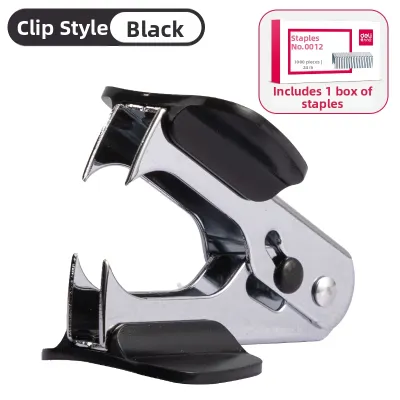
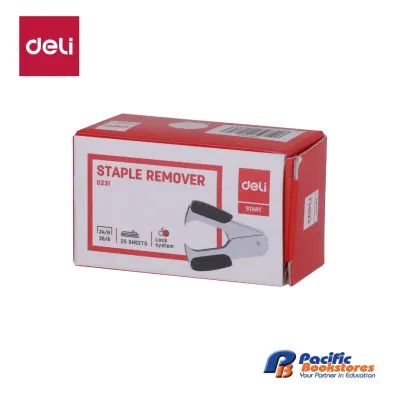
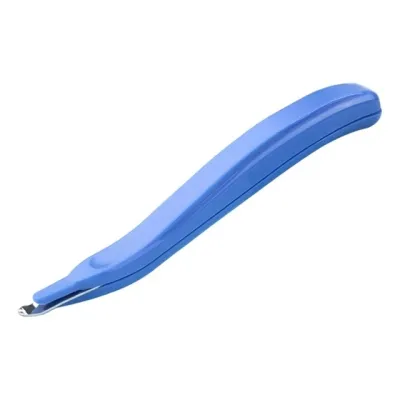
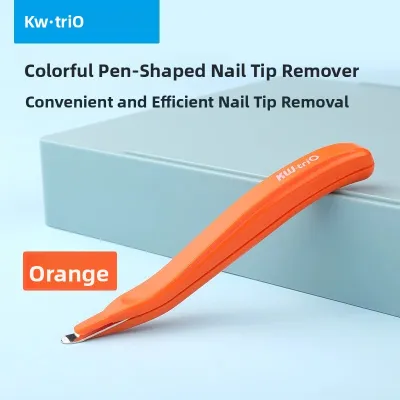
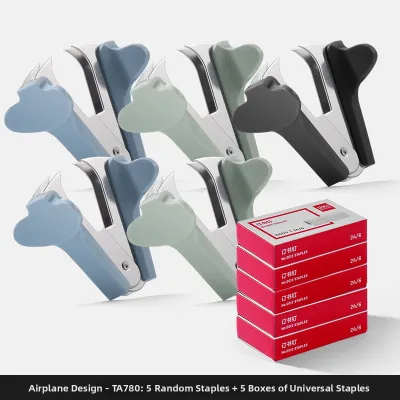
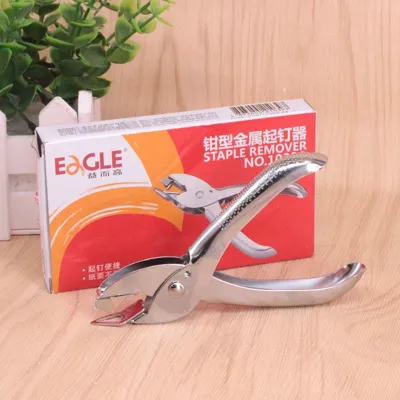
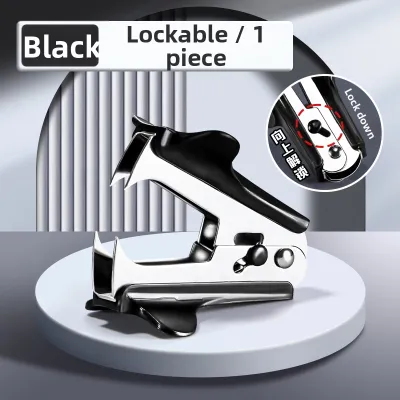
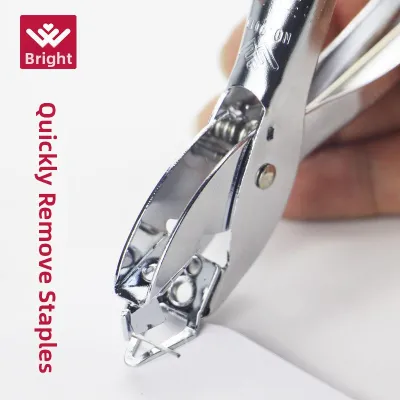
Prices are valid at publication and may change. Please refer to the product page for the latest price.
The jaw-style remover features two pairs of interlocking metal teeth controlled by a spring-loaded hinge. When squeezed, these teeth slide under the crown of the staple and lift it upward. While highly effective, this design relies on spring tension that can be surprisingly stiff. For a young child with limited grip strength, squeezing the jaws together requires significant effort, which can cause the tool to slip and tear the paper or pinch small fingers. Furthermore, the exposed metal teeth present a minor puncture risk if stored loosely in a school bag.
In contrast, the wand-style remover uses a flat, wedge-shaped metal tip attached to a pen-like handle. To remove a staple, the user slides the metal tip under the staple crown and pushes forward. This action uses the natural forward motion of the arm rather than grip strength, making it much easier for younger children to control. Many wand-style designs also feature a plastic shield or a slide-lock mechanism that keeps the metal tip covered when not in use, reducing the risk of accidental scratches.
When evaluating safety features for school use, look for non-slip rubberized grips that prevent sweaty hands from losing control. Blunt jaw tips are another crucial feature, as they reduce the risk of skin punctures while still being thin enough to slide under standard staples. Finally, some modern jaw removers include built-in pinch guards—plastic shields that cover the outer hinge area to prevent skin from getting caught when the jaws snap shut.
Choosing the Right Tool for Primary School Students
During the primary school years, children undergo rapid development in their fine motor skills and hand-eye coordination. In lower primary (Primary 1 to Primary 3), school projects usually involve thin sheets of paper, basic worksheets, and simple crafts. For these younger students, prioritizing ease of use and safety is essential.

A wand-style remover is often highly suitable for lower primary students. Because it requires a simple pushing motion rather than a strong squeezing action, children can operate it independently without straining their hands. The wide, ergonomic handles of these removers are designed to fit comfortably in smaller palms, allowing for a more secure grip. This design also minimizes the risk of pinching, as there are no moving jaws or high-tension springs to manage.
As students transition to upper primary (Primary 4 to Primary 6), their schoolwork becomes more complex, often involving multi-page booklets, science practical reports, and thicker stacks of worksheets. At this stage, their hand strength and coordination have improved sufficiently to handle a standard plier-style remover. Introducing a low-tension jaw remover allows them to tackle these thicker documents more efficiently. Look for models specifically labeled as “light-touch” or “low-effort,” which reduce the squeezing force required.
Classroom storage is another critical factor to consider for primary school students. Pencil cases are often crowded with rulers, scissors, and pens, and a loose jaw-style remover can easily snap open and damage other items or scratch a child reaching into the bag. To prevent this, look for removers with a secure locking mechanism that keeps the jaws closed when stored. Alternatively, flat-profile wand removers slide easily into standard pencil slots, making them a highly portable and safe option for daily school use.
Upgrading to Heavy-Duty Options for Secondary School
By the time students enter secondary school, their academic workload increases dramatically. They regularly manage thick revision booklets, extensive project portfolios, and heavy-duty reports that are bound with larger, stronger staples. The simple plastic tools used in primary school may no longer be durable or powerful enough for these tasks.
For secondary school students, upgrading to a high-leverage, all-metal plier remover is highly beneficial. These heavy-duty tools feature longer handles that leverage physical force more efficiently, allowing students to remove heavy-gauge staples from thick documents with minimal effort. The robust metal construction ensures the tool will not bend or break under pressure, providing a reliable option for intense study sessions and exam preparation.
Multi-functionality also becomes highly practical at this stage. Many secondary students prefer desktop combination tools, such as staplers with integrated metal remover tabs on the base. While these built-in tabs are convenient for quick, single-sheet corrections, they can tear thicker documents if used improperly. For students managing large volumes of paper, keeping a dedicated, high-quality plier remover on their study desk is usually a highly efficient setup.
Ergonomics remain important even as hand strength matures. Look for removers with contoured handles and anti-slip textures that provide comfort during long study sessions. A comfortable grip reduces hand fatigue when processing large stacks of past-year exam papers or organizing study notes. Choosing a durable, ergonomic tool ensures your teenager can focus on their studies without being slowed down by inadequate stationery.
Pre-Purchase Checks and Safe Usage Guidelines
Before purchasing a staple remover, performing a few quick checks can save you from buying an incompatible or frustrating tool. First, verify the compatible staple sizes listed on the product packaging. Most standard school removers are designed for No. 10 or 26/6 staples, which are the most common sizes used in classrooms. If your child’s school projects use heavy-duty or non-standard staples, ensure the remover is rated to handle those specific dimensions without jamming.
If you are shopping in a physical stationery store, have your child test the tool if a display model is available. Observe how easily they can squeeze or slide the mechanism. If they have to use both hands or strain their wrists to operate a jaw-style remover, it is more practical to opt for a lighter-tension model or a wand-style alternative. The tool should operate smoothly, without catching or requiring excessive force that could tear the paper.
Proper maintenance is key to keeping the tool safe and functional over time. Teach your child to inspect the remover periodically for signs of wear. If the internal spring becomes loose, the jaws misalign, or the metal parts begin to rust, the tool should be replaced immediately. Misaligned jaws can easily slip off the staple, leading to torn documents or accidental finger pinches. Keeping the tool clean and dry will extend its lifespan and ensure it remains a reliable part of your child’s school kit.
Frequently Asked Questions (FAQ)
Can young children safely use a standard office staple remover?
Standard office staple removers are generally not recommended for young children. These tools are designed for adult hand sizes and often feature high spring tension and sharp, exposed metal teeth. A young child may lack the grip strength to control the tool safely, increasing the risk of painful pinches or accidental skin punctures. For primary school students, it is much safer to choose a dedicated child-friendly wand remover or a low-tension jaw remover with built-in safety locks and blunt tips.
How should I teach my child to use the tool without tearing the paper?
To prevent torn paper, teach your child to slide the remover’s teeth or wedge completely under the flat crown of the staple before applying any lifting force. For jaw-style removers, they should squeeze the handles firmly to grip the staple, then lift straight upward rather than pulling to the side. For wand-style removers, they should slide the wedge under the crown and push forward smoothly along the plane of the paper. Emphasize that patience and alignment are more important than speed.
Are electric staple removers practical for students?
Electric or battery-operated staple removers are generally impractical for school-aged students. While they offer effortless removal, they are bulky, heavy, and take up too much space in a school bag. They also require regular battery replacements or charging, which can be inconvenient during the school day. Additionally, the mechanical noise can be distracting in a quiet classroom environment. A simple, manual wand or plier remover remains a highly portable, reliable, and cost-effective option for students.

Community discussion
Share your experience or ask a question. Comments are reviewed before publication.