
Selecting the right Spider-Man stickers for a primary school student involves more than just picking the most action-packed image of the web-slinger. To make a choice that is both practical and delightful, you must align the physical characteristics of the sticker—such as its size, material durability, and adhesive strength—with your child’s developmental stage and daily school routine. Younger students in lower primary grades require larger, easily manageable designs that support their developing fine motor skills, while older students in upper primary seek detailed, resilient stickers that allow them to express their personal style on a variety of school gear.
By understanding how sticker preferences and physical capabilities shift between the early and later primary school years, you can select products that minimize frustration and maximize utility. Whether the goal is to decorate a homework folder, personalize a water bottle, or reward positive behavior, choosing the right category of sticker ensures the adhesive remains intact, the colors stay vibrant, and school property remains undamaged. This guide provides a clear framework for evaluating Spider-Man stickers, helping you make an informed decision that suits your child’s specific grade level and daily classroom environment.
Understanding Sticker Preferences Across Primary School Grades
Children interact with stationery and decorative items in vastly different ways as they progress through their primary school years. In the early stages, typically from Primary 1 to Primary 3, physical coordination is still maturing. Small, intricate stickers with complex borders can easily tear when a young child attempts to peel them from the backing sheet. This physical limitation makes larger, simpler shapes highly preferable, as they allow younger children to experience the satisfaction of independent application without the frustration of ruined designs.
Products mentioned in this guide
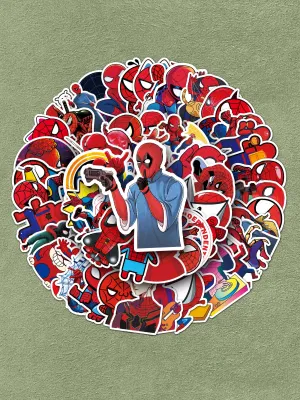
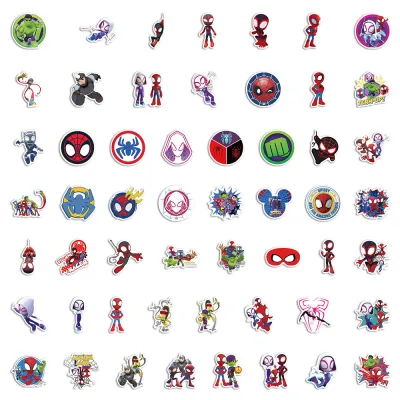
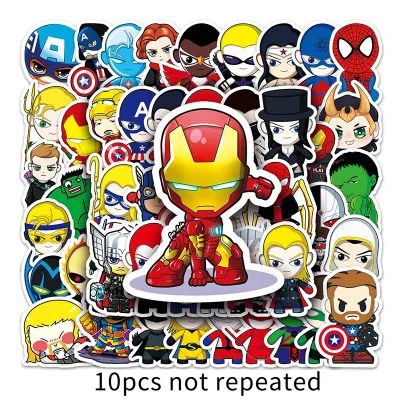
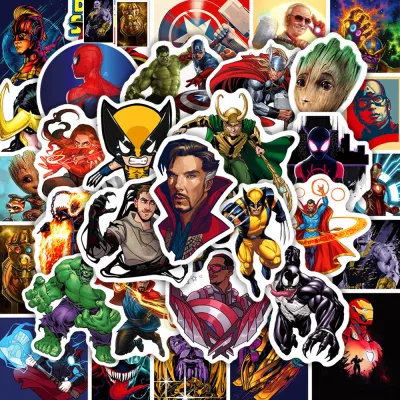
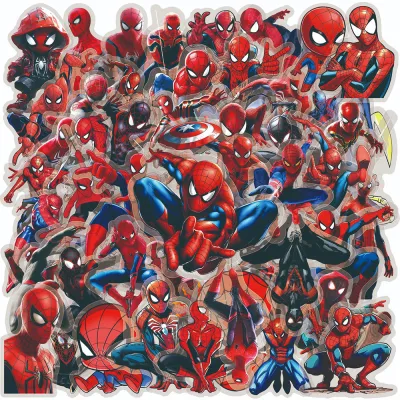
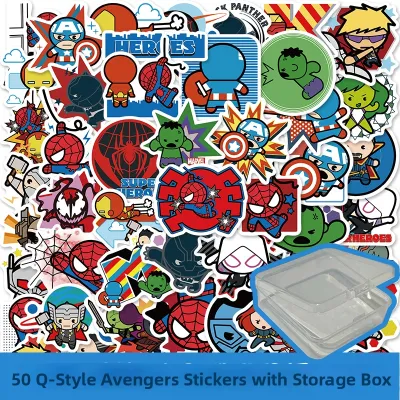
![[SG READY STOCK] Avengers Spiderman Mario Zootopia Capybara Chiikawa Frozen Stitch Paw Tattoo Stickers Gift Kids Birthday](https://img.lazcdn.com/g/p/133468aded490a5dd3ecbe3bfd87885e.jpg_400x400q80.jpg_.webp)
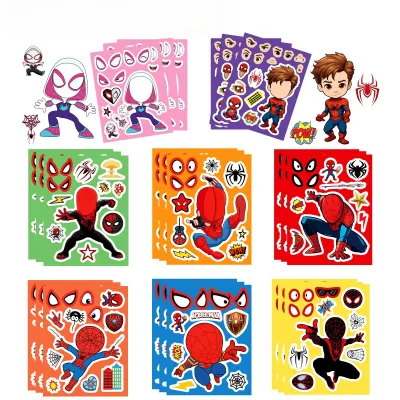
Prices are valid at publication and may change. Please refer to the product page for the latest price.
As children grow and enter Primary 4 to Primary 6, their fine motor skills become highly refined. They gain the precision required to handle tiny, detailed stickers and place them accurately onto narrow surfaces like ruler edges, pen cases, or notebook spines. Along with this physical development comes a significant shift in visual taste. While younger children are drawn to bright, friendly, and highly stylized cartoon representations—such as the rounded designs seen in preschool animations—older students generally prefer more sophisticated imagery. They gravitate toward classic comic book illustrations, cinematic action shots, or stylized graphic art that feels mature and collectible.
The primary purpose of using stickers also evolves across these age groups. For lower primary students, stickers often serve as external motivators, frequently used on behavioral reward charts, chore lists, or basic homework folders. The act of receiving and placing a sticker is a tangible celebration of achievement. For upper primary students, stickers transition into a medium for self-expression and social connection. These older children use stickers to customize their personal belongings, organize their subject notebooks by color or theme, and signal their personal interests to their peers in the classroom.
Ideal Spider-Man Sticker Traits for Lower Primary (Grades 1 to 3)
For students in Primary 1 to Primary 3, the physical design of a sticker directly impacts how successfully they can use it. The ideal Spider-Man sticker for this age group should measure between 5cm and 8cm in diameter. This size is large enough for small hands to grasp comfortably without folding or wrinkling the sticker during application. Look for designs with simple, rounded die-cut outlines rather than sharp, jagged edges, as rounded shapes are far less likely to catch on fingers and tear during the peeling process.

Visually, stickers for younger children should feature high-contrast, vibrant colors and bold outlines. Stylized representations of Spider-Man, such as those depicting friendly, smiling mask eyes or cheerful action poses, are highly engaging for this demographic. These bright designs are easy to spot on personal items, helping young students quickly identify their own lunch boxes, water bottles, or art folders in a crowded classroom cubby.
The backing paper and adhesive type are equally critical for lower primary students. Look for sticker sheets that feature split-back liners or extended backing edges, which allow children to easily bend the paper and release the sticker without needing sharp fingernails. The adhesive itself should be gentle and semi-permanent. Younger children frequently change their minds about where a sticker should go, so an adhesive that allows for clean repositioning prevents tears on paper folders and avoids leaving permanent marks on plastic school gear.
These larger, user-friendly stickers are best applied to broad, flat surfaces. They are highly effective when used on home-based behavior charts, large plastic storage bins, homework folders, and wide-mouthed water bottles. By choosing stickers tailored to these specific applications, you ensure that your child can enjoy decorating their school supplies independently and with confidence.
Best Design and Material Choices for Upper Primary (Grades 4 to 6)
As students enter the upper primary grades, their aesthetic preferences lean toward more complex and sophisticated designs. Spider-Man stickers for Primary 4 to Primary 6 students should reflect this maturity, featuring detailed comic-book panel art, dramatic action poses, or intricate graphic patterns. Specialty finishes are highly popular among this age group; look for stickers with metallic accents, holographic overlays, or sleek matte textures that elevate the overall look of their stationery.
Because older students have the dexterity to handle smaller items, stickers ranging from 2cm to 4cm in size are highly practical. These compact dimensions allow students to decorate narrow or highly specific areas without overlapping edges. They can neatly line up stickers along the spine of a binder, decorate the lid of a slim pencil case, or add a subtle accent to the corner of a calculator or ruler.
Durability is a major consideration for upper primary school supplies, which are frequently packed, unpacked, and subjected to friction inside heavy school bags. For these students, paper stickers are rarely sufficient. Instead, prioritize stickers made from thick, scratch-resistant vinyl or those with a protective laminate coating. These materials can withstand daily handling, exposure to moisture from humid tropical weather, and the occasional spill inside a backpack without peeling, fading, or fraying at the edges.
The applications for these durable, detailed stickers are centered on personalization and organization. Upper primary students can use different Spider-Man designs to color-code their subject notebooks—using a classic red suit design for mathematics and a stealth suit design for science, for example. They also enjoy customizing personal tech items, such as tablet cases or laptop lids, where high-quality vinyl stickers can be applied and later removed cleanly when styles change.
Essential Safety and Material Checks Before Purchasing
Before purchasing any sticker pack for school use, it is essential to verify the safety and quality of the materials. Always examine the product packaging or online specifications for clear declarations regarding non-toxic materials. Look for labels indicating that the stickers are acid-free, lead-free, and phthalate-free. This is particularly important for items that children handle daily and may touch before eating their recess snacks.
The type of adhesive used requires careful evaluation to protect both your child’s belongings and school property. Avoid stickers that utilize permanent industrial-grade adhesives, as these can cause permanent surface discoloration or leave a stubborn, sticky residue that attracts dirt. Instead, look for stickers labeled as removable, repositionable, or low-tack. These adhesives provide sufficient grip to stay in place during daily use but can be peeled away cleanly when the school year ends or when the item needs to be cleaned.
For families with younger children in the household or students in early primary grades, pay close attention to potential choking hazards. Avoid sticker packs that include thick 3D puffy elements, embedded plastic gems, or small detachable parts. These raised elements can easily be picked off by curious fingers and pose a safety risk if swallowed. Standard flat stickers are always the safest choice for younger age groups.
Finally, inspect the physical quality of the sticker edges. High-quality stickers should have smooth, clean die-cuts with no rough paper fibers or sharp plastic corners. Smooth edges not only make the stickers easier to peel but also prevent minor paper cuts or skin irritation during handling. Taking a few moments to verify these physical details ensures a safe and pleasant experience for your child.
Where to Source and Verify Age-Appropriate Sticker Packs
Finding high-quality, safe Spider-Man stickers requires selective sourcing. Prioritize official brand stores, authorized stationery retailers, or reputable e-commerce platforms that provide clear product details and customer return policies. Purchasing from established sources reduces the risk of receiving counterfeit products that may use substandard materials or unsafe adhesives.
When browsing online listings, read the product descriptions carefully rather than relying solely on promotional images. Look for explicit details regarding the sticker dimensions, material composition (such as vinyl versus standard paper), and recommended age ranges. A reputable seller will clearly state whether the stickers are waterproof, sun-resistant, or designed for easy removal.
It is generally wise to avoid unbranded, ultra-cheap bulk packs that lack manufacturer details or safety certifications. These packs often contain low-resolution prints, thin paper backings that tear easily, or adhesives that either fail to stick or leave permanent damage. Furthermore, unbranded bulk assortments may occasionally include fan-art designs that are visually cluttered or inappropriate for a primary school environment.
To verify the real-world performance of a sticker pack, check the user review section for specific feedback. Look for comments from other parents regarding how easily the stickers peel off the backing sheet, how well they withstand daily washing on water bottles, and whether they leave residue upon removal. This practical feedback is invaluable for confirming that the stickers will perform well under the demands of a busy school year.
Frequently Asked Questions (FAQ)
Are vinyl stickers safe for young children's water bottles?
Yes, high-quality vinyl stickers are generally safe for water bottles, provided you verify that they are made from non-toxic, BPA-free materials. While the printed vinyl surface itself is safe to handle, the adhesive along the edges can sometimes collect dirt or soap residue over time. To ensure maximum hygiene, apply the stickers only to the main body of the water bottle. Keep them well away from the mouthpiece, drinking rim, or any areas where your child’s mouth or teeth will make direct contact while drinking.
How can I remove sticker residue from school supplies without damaging them?
To remove stubborn adhesive residue without damaging plastic or metal school gear, always start with the gentlest, non-solvent methods. Dampen a microfiber cloth with warm, soapy water and gently rub the area in a circular motion, or use your thumb to roll the softened adhesive into small pliable balls that can be lifted away. If a sticky residue persists, test a tiny drop of household vegetable oil or a mild commercial adhesive remover on a hidden, inconspicuous corner of the item first. This test ensures the solution will not cloud the plastic or strip away any protective coatings before you apply it to the prominent surfaces. Avoid using abrasive scrubbing pads, sharp metal blades, or harsh chemical solvents like acetone, which can permanently scratch or melt plastic school supplies.

Community discussion
Share your experience or ask a question. Comments are reviewed before publication.