
Choosing the right size boxes for moving depends on matching the weight, density, and fragility of your household items to the structural capacity of each carton. Using the wrong box size can lead to structural failure, damaged belongings, or physical strain during lifting. As a general rule, heavy items like books and tools belong in small boxes, medium-weight items like kitchenware go into medium boxes, and light, bulky items like bedding and clothing require large or extra-large boxes.
In Singapore, where moving often involves navigating high-rise apartments, lifts, and narrow corridors, efficient packing is essential. Selecting the correct box sizes ensures that your belongings stack securely in the moving vehicle, maximizing space and minimizing the number of trips required. By understanding standard box specifications and packing systematically, you can protect your items and make the entire moving process much more manageable.
Understand Standard Box Dimensions and Weight Limits
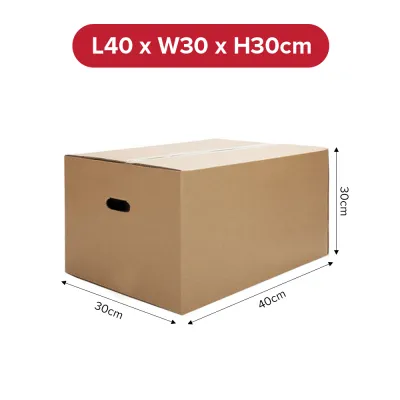
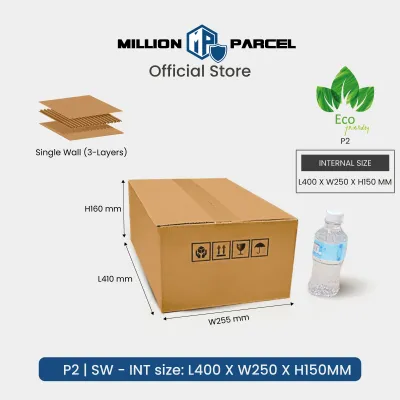
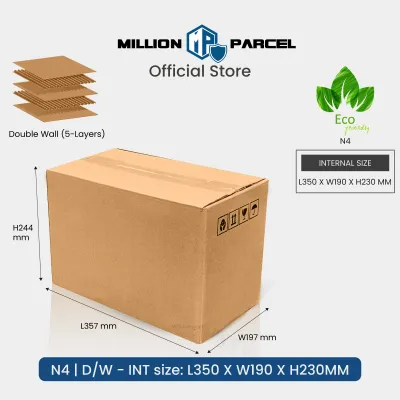
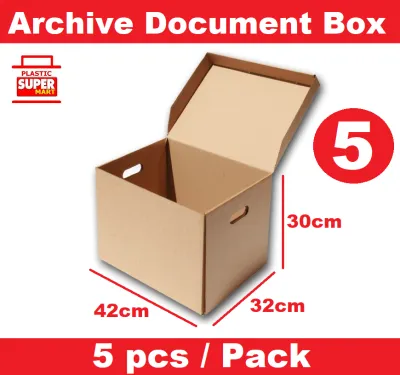
When purchasing boxes for moving, you will typically see dimensions listed as Length x Width x Height (L x W x H). In Singapore, these measurements are commonly provided in millimeters or centimeters. To estimate the internal volume of a box, multiply these three dimensions together; this gives you a clear idea of how much physical space is available inside the carton before you begin packing.
Products mentioned in this guide
![Casual Liz Wholesales Market Carton Box/Moving Box/Cardboard Box [Local Seller]](https://img.lazcdn.com/g/p/edcb9b91b5af7d246cf0cb44f3ee1b04.jpg_400x400q80.jpg_.webp)
Prices are valid at publication and may change. Please refer to the product page for the latest price.
Beyond physical dimensions, you must check the manufacturer labels or product descriptions for weight limits and material construction. Look for the circular manufacturer’s stamp, often printed on the bottom flaps of the box, which indicates the gross weight limit and the burst strength. Pay close attention to whether the box is constructed from single-wall or double-wall corrugated board.
Single-wall corrugated board consists of a single wavy fluting layer sandwiched between two flat linerboards. These boxes are lightweight and suitable for non-fragile, low-density items. Double-wall corrugated board features two layers of fluting and three flat liners, providing significantly higher puncture resistance, rigidity, and stacking strength. Double-wall cartons are highly recommended for heavy items, fragile valuables, and long-distance moves.
Overloading boxes beyond their rated capacity risks structural failure, which can cause the bottom of the box to collapse during transit. This not only damages your belongings but also poses a serious risk of handling injuries to you or your movers. Keeping boxes within safe weight limits ensures they remain rigid and easy to stack, preventing the bottom boxes in a stack from crushing under the weight of those above them.
Match Box Sizes to Specific Item Categories
Heavy and dense items must always be packed into small boxes, typically measuring around 30 to 40 centimeters in length. Items such as books, hand tools, files, canned goods, and small heavy decor pieces accumulate weight rapidly. Packing these items in a large box makes the container nearly impossible to lift safely and increases the risk of the bottom flaps tearing open under pressure.

Medium boxes, usually measuring between 40 and 50 centimeters in length, are the most versatile option for moving. They are ideal for medium-weight and fragile items, including kitchenware, small household appliances, toys, and electronics. This size provides a balanced ratio of volume to weight, leaving sufficient room to wrap items individually in protective cushioning without making the assembled box too heavy to carry.
Large and extra-large boxes, measuring 50 to 60 centimeters or more, are designed strictly for light, bulky items. Use these large containers for clothing, linens, pillows, blankets, cushions, and lightweight plastic kitchenware. Packing heavy items into these large volumes makes the box hazardous to handle and prone to structural collapse, so keep these reserved for items that offer high volume but low weight.
Oddly shaped or highly sensitive items often require specialized cartons rather than standard rectangular boxes. Wardrobe boxes, which feature an integrated metal hanging bar, allow you to transfer clothes directly from your closet on their hangers, preventing wrinkles and saving packing time. Mirror and picture cartons are flat and adjustable, providing tailored protection for framed artwork, mirrors, and flat-screen televisions.
If you still have the original manufacturer packaging for electronics like computers, monitors, or gaming consoles, use them. These boxes are specifically engineered with custom-fit foam inserts that offer the best possible protection against vibration and impact. When original packaging is unavailable, select a heavy-duty double-wall box that leaves at least five to ten centimeters of space on all sides for protective padding.
Gather Essential Packing and Protection Materials
Before you begin packing your chosen boxes, you must gather the necessary supplementary materials to secure your items inside. High-quality cushioning materials are essential for preventing items from shifting and colliding during transit. Stock up on unprinted packing paper (newsprint), bubble wrap, and foam inserts. Avoid using standard newspaper, as the ink can easily transfer onto your dishes, glassware, and hands.
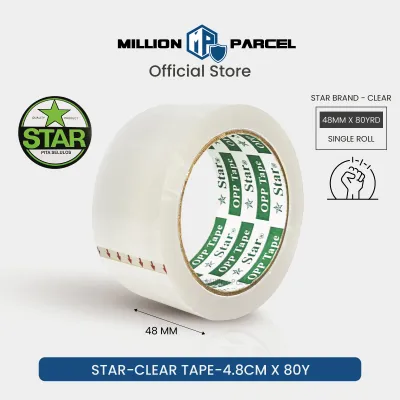
Selecting the right sealing tape is just as important as choosing the right box. Use heavy-duty packing tape, such as polypropylene or PVC tape with a strong acrylic or hot-melt adhesive, which is designed to bond securely to corrugated cardboard. Avoid using thin stationery tape, masking tape, or duct tape, as these materials tend to peel off under tension or when exposed to humid conditions.
To keep your move organized, prepare clear labeling tools. Use thick, waterproof permanent markers to write directly on the cardboard. You can also use color-coded labels or pre-printed “Fragile” and “This Side Up” stickers to give clear handling instructions to anyone lifting the boxes. Testing your markers on a scrap piece of cardboard beforehand ensures the ink dries quickly and does not smudge during handling.
Pack, Seal, and Label Your Boxes Step-by-Step
To pack a box securely, start by preparing the base. Fold the bottom flaps together and apply heavy-duty packing tape. For maximum security, use the “H-pattern” method: apply one strip of tape along the center seam where the flaps meet, and then apply two additional strips across the exposed side seams. This seals all open edges and prevents dust or moisture from entering while reinforcing the box’s structural integrity.
Once the bottom is sealed, line the inside base with a five-centimeter layer of crumpled packing paper or bubble wrap to act as a shock absorber. Begin loading the box by placing the heaviest and sturdiest items at the bottom to maintain a low center of gravity. Place lighter, more delicate items on top of the heavy base layer, ensuring that fragile items do not bear any direct weight.
As you pack, fill all empty spaces and voids with crumpled packing paper, air pillows, or clean towels. If items are allowed to shift when the box is moved, they are highly likely to break. Gently shake the box during the packing process; if you hear or feel items moving inside, add more cushioning. Avoid overstuffing the box to the point where the top flaps bulge, as this prevents proper stacking and puts excessive stress on the seams.
After filling the box, place another layer of cushioning on top before closing the flaps. Seal the top flaps using the same H-pattern taping method. Finally, label the box clearly on at least two opposite sides. Write the destination room in large letters, followed by a brief bulleted list of the contents. If the box contains delicate items, apply “Fragile” stickers prominently on the top and sides.
Verify Box Integrity and Weight Before Moving
Before stacking or loading your packed boxes, perform a final safety check to prevent accidents. Conduct a physical lift test by gently lifting the box a few centimeters off the ground using proper lifting posture—bend at your knees, keep your back straight, and lift with your legs. If the box feels uncomfortably heavy or causes strain, it must be repacked into smaller containers.
Inspect the exterior of the box for any signs of structural compromise. Look closely for bulging sides, sagging bottoms, or tearing tape along the seams. A bulging box indicates that the contents are pressing too hard against the walls, which can cause the box to burst when stacked. A sagging bottom indicates that the weight limit of the cardboard has been exceeded.
If you notice any weak points but the weight is still manageable, reinforce the box by wrapping extra bands of heavy-duty packing tape entirely around the circumference of the carton, both horizontally and vertically. If the box is severely compromised, do not risk moving it; take the time to unpack the contents and distribute them across smaller, sturdier boxes to ensure a safe and damage-free move.
Frequently Asked Questions (FAQ)
Where can I buy or source moving boxes in Singapore?
You can purchase moving boxes from local stationery stores, specialized packaging suppliers, and online marketplaces. Many local moving companies also sell packing materials directly to customers, even if you are not hiring their full moving services. Before purchasing in bulk, verify the exact dimensions, board thickness, and weight ratings of the boxes to ensure they meet your specific packing needs. Buying a small sample pack first can help you assess the quality of the corrugated board before committing to a larger order.
Can I reuse old delivery cartons for moving?
You can reuse old delivery cartons, but you must inspect them carefully before packing. Check the cardboard for structural fatigue, moisture damage, soft corners, or deep creases, as these issues significantly reduce the box’s stacking strength. Avoid using thin, single-wall delivery boxes for heavy, valuable, or fragile items, as they are prone to collapsing. If you do reuse delivery boxes, reserve them for light, non-breakable items like clothing or soft toys, and reinforce all seams with fresh heavy-duty packing tape.

Community discussion
Share your experience or ask a question. Comments are reviewed before publication.