
Selecting the right double wall carton box is a balancing act between the physical dimensions of your items, their total weight, and the space required for protective cushioning. Choosing a box that is too large leads to excessive movement and potential damage during transit, while a box that is too small leaves no room for shock-absorbing materials. By systematically measuring your goods, accounting for protective buffers, and understanding how double wall construction supports heavy loads, you can secure your items for safe moving or shipping.
Understand Double Wall Carton Dimensions and Weight Limits
When browsing for packaging materials, you will notice that manufacturers list dimensions as Length x Width x Height. Crucially, these measurements can refer to either the internal or external boundaries of the box. Because double wall cardboard is thick—often around 6mm to 7mm depending on the flute combination—the external dimensions are significantly larger than the usable space inside. Always base your calculations strictly on the internal dimensions to ensure your items will fit.
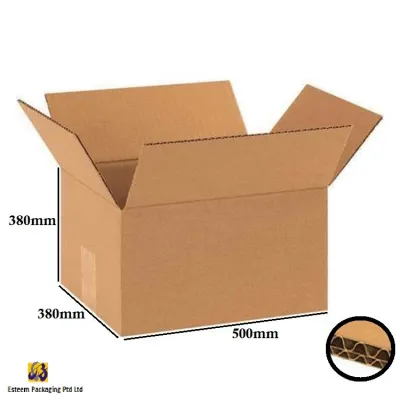
Double wall carton boxes feature a structural design consisting of two fluted medium layers sandwiched between three flat linerboards. This five-layer composition provides superior stacking strength and puncture resistance compared to standard single wall boxes. The dual fluting helps absorb external shocks and prevents the box walls from bowing outward when packed with heavy or dense items.
Products mentioned in this guide
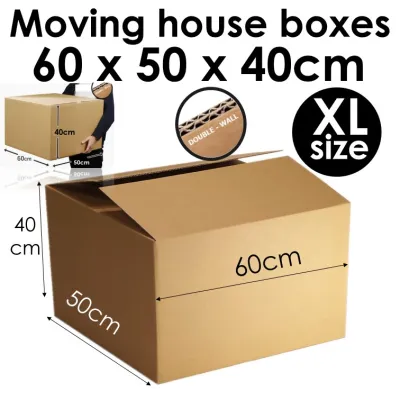
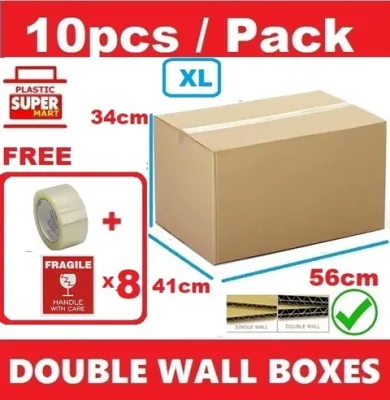
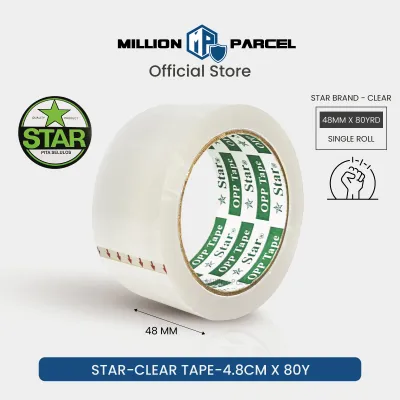
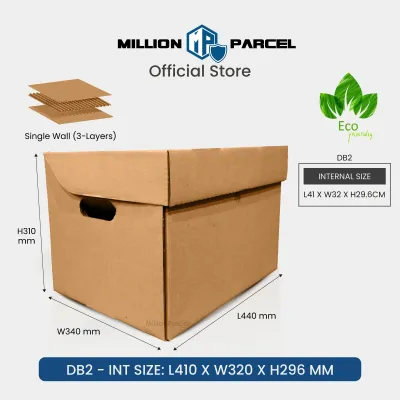
Prices are valid at publication and may change. Please refer to the product page for the latest price.
To verify the structural capacity of a box, look for the Box Maker’s Certificate (BMC) usually printed on one of the bottom flaps. This stamp indicates the manufacturer’s maximum gross weight limit and the results of strength tests, such as the Edge Crush Test (ECT) or the Bursting Test. For double wall boxes, common ratings like 40 ECT or 48 ECT indicate high resistance to crushing, making them suitable for stacking during transport or long-term storage. Never exceed the maximum gross weight printed on this certificate, as doing so compromises the box’s structural integrity.
Measure Your Items and Calculate Required Inner Space
To determine the minimum box size you need, start by measuring your items with a rigid tape measure. For rectangular or square items, measure the maximum length, width, and height. For irregular or oddly shaped items, visualize a rectangular boundary around the object and measure the outermost points along each axis to find its bounding box dimensions.

Next, you must factor in the space required for cushioning materials. Delicate items require a protective buffer on all sides to prevent them from shifting or contacting the box walls. For fragile goods, plan for a minimum of 50mm of cushioning space on the top, bottom, and all four sides. For sturdy, non-fragile items, a smaller buffer of 20mm to 30mm is usually sufficient to allow easy packing and unpacking.
When packing multiple items into a single carton, plan their arrangement on a flat surface before selecting a box size. Place the heaviest, most stable items at the bottom to keep the center of gravity low and prevent the box from tipping. Use cardboard dividers or crumpled paper to fill any voids between items, preventing mutual abrasion and shifting during transit.
Because cardboard performance can vary based on environmental conditions, perform a simple trial to verify your packing materials. In humid climates, cardboard can absorb ambient moisture, which softens the fibers and reduces tape adhesion. Test your packing tape on a small flap of the carton before packing; press it down firmly and attempt to peel it off after ten minutes. If the tape lifts easily without pulling up cardboard fibers, switch to a high-tack adhesive tape designed for humid conditions to ensure the box remains securely sealed.
Match Common Item Types to Standard Carton Sizes
Aligning your belongings with standard carton sizes simplifies the packing process and ensures optimal weight distribution. Different categories of household and office goods require specific box volumes to remain safe and manageable to lift.
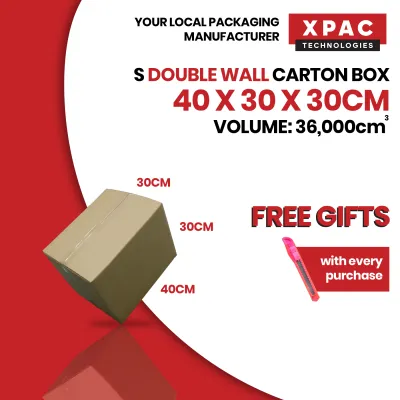
Books, files, and heavy documents are highly dense and should always be packed in small double wall boxes, typically around 40cm x 30cm x 30cm. Packing books in larger boxes makes the container incredibly heavy, increasing the risk of physical strain during lifting and causing the bottom of the box to fail under concentrated weight.
Kitchenware, crockery, and fragile ornaments are best suited for medium-sized cartons, such as 50cm x 40cm x 40cm. This size provides ample room for wrapping plates in bubble wrap or packing paper and placing them vertically, which is the safest orientation for transit. The medium volume keeps the overall weight manageable even when filled with heavy ceramics or glassware.
Small appliances, electronics, and computer monitors should ideally be packed in their original retail packaging. If that is unavailable, select a double wall box that allows at least 50mm of clearance on all sides for custom-cut foam inserts or heavy-duty bubble wrap. This clearance ensures the delicate internal components of the electronics are shielded from external impacts.
For bulky but lightweight items like bedding, pillows, and winter clothing, larger double wall boxes measuring 60cm x 60cm x 60cm are appropriate. While these items do not require high weight capacity, the rigid double wall construction prevents the large box from bulging or collapsing when stacked under other containers in a moving vehicle.
Verify Box Integrity and Packing Readiness
Before loading your items, inspect each double wall carton for physical defects. Check the corners and edges for soft spots, deep creases, or moisture damage, as these flaws can reduce the box’s stacking strength by more than half. Avoid using boxes with torn seams or punctured linerboards.
Secure the bottom of the box using high-quality packing tape applied in an “H” pattern. Run a strip of tape down the center seam, extending it at least 75mm down the sides of the box. Then, seal the exposed side edges of the flaps to prevent dust from entering and to reinforce the corners against tearing. Avoid using masking tape or household cellophane tape, as they lack the tensile strength and adhesive power required for heavy-duty cartons.
When preparing boxes for storage or shipping, consider how they will be stacked. Always place the heaviest double wall boxes at the bottom of the stack and align the corners of the boxes directly on top of one another. Cardboard boxes derive the majority of their vertical load-bearing strength from their corners; offsetting the boxes or stacking them in an interlocking pattern can cause the upper boxes to crush the lids of the lower ones.
Frequently Asked Questions (FAQ)
Can I use a double wall carton box for international shipping?
Yes, double wall carton boxes are highly recommended for international shipping because they withstand the rigors of long-distance transit, multiple sorting facilities, and rough handling. However, you must verify the specific dimensional and weight limits set by your international courier or freight forwarder. Additionally, check the customs and import regulations of the destination country, as some regions have strict rules regarding packaging materials, though standard cardboard boxes generally do not require the specialized phytosanitary treatments that apply to wooden crates.
What is the difference between double wall and single wall carton boxes?
The primary difference lies in their construction and strength. A single wall box consists of one layer of fluted paper sandwiched between two flat linerboards, making it lightweight and cost-effective for packing durable, light items like clothing or plastic toys. A double wall box features two layers of fluted paper separated by a middle linerboard, creating a five-layer structure. This extra layer significantly increases the box’s puncture resistance, rigidity, and stacking capacity, making it the necessary choice for heavy items, fragile electronics, and long-term storage stacks.

Community discussion
Share your experience or ask a question. Comments are reviewed before publication.