
Selecting the perfect red cloth for your next sewing project involves a careful balance between visual appeal and physical performance. While the striking, vibrant nature of red dye immediately draws the eye, the underlying fiber structure determines how the fabric behaves under your sewing machine needle, how it drapes over a form, and how it survives the laundry cycle. Because red dyes are chemically unique and often highly saturated, choosing the right material requires looking beyond the color itself to evaluate the weight, weave, and care requirements of the textile.
Key Fabric Properties to Evaluate
Before cutting into any red fabric, you must assess three primary physical characteristics: weight, sewability, and colorfastness. The weight and drape of the fabric dictate its movement; a heavy, stiff red canvas will behave entirely differently from a lightweight, flowing red chiffon. Drape refers to how the fabric folds and hangs under its own weight, which directly influences the silhouette of garments or the structure of home decor items.
Sewability encompasses how easily the fabric can be cut, pinned, and stitched without slipping, fraying, or puckering. Tightly woven or slippery fabrics often require specialized needles and precise machine tension adjustments to prevent skipped stitches or damaged fibers.
Products mentioned in this guide
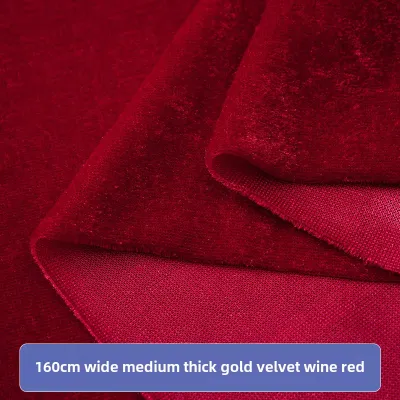
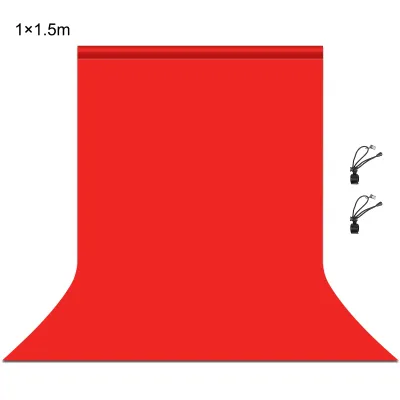
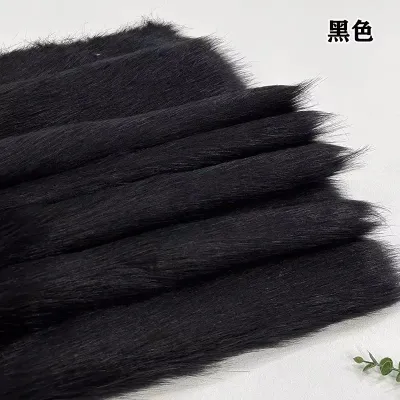

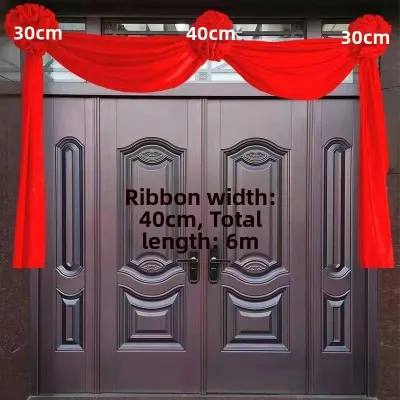
Prices are valid at publication and may change. Please refer to the product page for the latest price.
Finally, colorfastness is a critical consideration for red textiles. Red pigments are notorious for bleeding because the large dye molecules do not always bond perfectly with the fibers, making pre-sewing tests and proper washing protocols essential to protect your hard work and prevent ruinous dye transfer to adjacent fabrics.
Comparing Common Red Cloth Materials
Different fibers interact with red dyes in distinct ways, resulting in varied textures, luster, and structural behaviors. Understanding how cotton, silk, polyester, and linen handle the dyeing process and the sewing machine will help you select the ideal material for your specific design.

Cotton
Cotton is widely celebrated for its exceptional breathability, ease of handling, and structural versatility, making it an excellent choice for both novice and experienced sewists. The material is available in numerous weave variations, ranging from stiff, structured quilting cottons to lightweight, semi-sheer cotton voile. Quilting cotton offers a stable, crisp drape that holds its shape beautifully, whereas cotton voile provides a softer, more fluid movement suitable for lightweight summer blouses.
When working with red cotton, managing fraying along raw edges is a primary concern. Standard finishing techniques, such as using pinking shears, overcasting, or sewing clean flat-felled seams, will keep the interior of your project tidy and durable. Cotton also responds exceptionally well to pressing, allowing you to achieve sharp, crisp seams with a standard steam iron. However, because natural cotton fibers are highly prone to shrinkage, you must perform a thorough pre-washing and drying cycle according to the manufacturer’s care instructions before cutting your pattern pieces.
Silk
Red silk exudes luxury, offering an unmatched luster and a fluid, elegant drape that makes it ideal for formal wear, evening gowns, and delicate linings. However, the slippery texture of silk presents unique handling challenges during the cutting and sewing phases. To maintain control over the fabric, you can use tissue paper or fabric stabilizers as a backing while cutting, and secure the layers with ultra-fine glass-head pins that will not leave permanent holes in the delicate weave.
Selecting the correct needle and thread is paramount when sewing red silk. A fine Microtex or sharp needle (typically size 60/8 or 70/10) paired with high-quality silk or fine polyester thread will prevent fabric snags, puckering, and unsightly needle holes. Machine tension should be tested on a scrap piece of the same silk to ensure the stitches lie flat without pulling. Additionally, always verify the care label instructions; many red silks are strictly dry-clean-only or require gentle hand-washing to preserve both the delicate fiber structure and the rich, vibrant red dye.
Polyester
Polyester is a synthetic powerhouse known for its outstanding durability, wrinkle resistance, and superior color retention. Unlike natural fibers, polyester fibers lock in red dyes exceptionally well, meaning a bright red polyester fabric is highly resistant to fading over time, even after repeated washings. This material is available in a vast array of textures, from smooth, silky satins to textured crepes and stretchy knits, offering great versatility for activewear, travel garments, and everyday apparel.
Despite its benefits, polyester requires careful handling due to its high sensitivity to heat. When pressing seams, you must use a low iron temperature setting or a protective pressing cloth to avoid melting the synthetic fibers or creating a permanent, shiny glaze on the red surface. Seam puckering can also occur on tightly woven polyester variants, which can be mitigated by adjusting your sewing machine’s thread tension and using a brand-new, sharp needle. While polyester is incredibly durable, it lacks the natural breathability of cotton or linen, making it less suitable for tight-fitting garments intended for hot, humid climates.
Linen
Linen offers a distinctive, textured aesthetic characterized by natural slubs and a breathable, open weave that is perfect for warm-weather clothing and relaxed home decor. Red linen possesses a rustic charm, though it often feels stiff and rigid when first purchased. Over time and through subsequent washes, the flax fibers naturally soften, resulting in a beautiful, lived-in drape that conforms comfortably to the body.
Pressing red linen requires a strategic approach. You can use a high heat setting with plenty of steam to achieve crisp, professional seams, or you can choose to embrace the fabric’s natural tendency to wrinkle for a casual, effortless look. Because linen is highly susceptible to significant shrinkage during its first wash, a mandatory pre-washing step is essential. Washing and drying the fabric before cutting ensures that your finished garment or home accessory maintains its intended dimensions and does not warp or shrink unevenly later on.
Matching Fabric to Your Sewing Project
Selecting the right red cloth depends heavily on the intended application and functional demands of your finished item. For apparel projects, match the fabric’s drape and breathability to the garment’s silhouette. Flowy garments like maxi dresses, wrap skirts, and soft blouses call for the fluid movement of red silk, lightweight polyester crepe, or cotton voile. Conversely, structured garments such as tailored jackets, trousers, and button-down shirts require the stability and body of medium-weight cotton, structured linen, or heavier polyester blends.
For home decor and quilting, prioritize stability, durability, and ease of maintenance. Quilting projects benefit immensely from high-quality quilting cotton, which resists stretching and holds precise seam allowances. For home accessories like throw cushions, table runners, and curtains, medium-to-heavyweight red cotton canvas or linen-cotton blends provide the necessary heft to withstand daily wear while maintaining their vibrant color.
When crafting accessories, consider the structural needs of the specific item. Bags, backpacks, and pouches require sturdy materials like heavy red canvas or reinforced polyester that can support weight and resist abrasion. For soft accessories like scarves, ties, and pocket squares, delicate red silk or lightweight cotton lawn offers a gentle feel against the skin and a refined finish.
Essential Pre-Sewing Checks for Red Fabric
Working with red fabric requires a few specialized preparation steps to guarantee a successful sewing experience and protect your finished project from future damage. The most critical step is conducting a colorfastness test. To do this, cut a small scrap of your red fabric, wet it thoroughly with warm water, and press it firmly between two sheets of white paper towel or light-colored scrap cloth. If any red dye transfers to the paper or cloth, the fabric is prone to bleeding, and you must take precautions during washing.
Once you have assessed colorfastness, pre-wash and dry the entire length of fabric according to the manufacturer’s care instructions. This process pre-shrinks the fibers and removes any excess dye or chemical sizing left over from the manufacturing process. If the fabric showed significant bleeding during your initial test, wash it separately or with a color-catcher sheet to absorb loose dye molecules.
Finally, before laying out your pattern pieces, verify the grainline alignment of the fabric. Pull a single thread across the cut edge of the fabric to find the true crossgrain, and press the fabric flat to ensure the warp and weft threads run perfectly perpendicular to each other. Proper grainline alignment prevents your finished red garments from twisting, warping, or hanging unevenly once assembled.
Frequently Asked Questions (FAQ)
Why does my red fabric bleed when washed, and how can I prevent it?
Red fabrics are highly prone to bleeding because red dye molecules are exceptionally large and do not always fully bind to the textile fibers during the coloring process. This excess, unbound dye easily releases into the water during washing, especially in warm or hot temperatures. To prevent this dye from staining other items, always wash new red fabrics separately or with similar dark colors. Utilizing color-catcher sheets in the wash cycle can help trap loose dye molecules before they settle on other fabrics. If a high-quality fabric continues to bleed heavily after multiple washes, check the manufacturer’s care label for specialized washing instructions or consider using a commercial dye fixative designed for that specific fiber type.
What needle and thread should I use for different red fabrics?
Matching your needle and thread to your specific red fabric prevents fabric damage and ensures strong, even seams. For natural, medium-weight fabrics like cotton and linen, a standard universal needle (size 80/12) paired with all-purpose polyester or cotton thread works beautifully. For delicate red silk or fine polyester, switch to a sharp Microtex needle (size 60/8 or 70/10) and use fine silk or lightweight polyester thread to avoid snagging the fibers. If you are sewing heavy red canvas or thick polyester blends, opt for a heavy-duty needle (size 90/14 or 100/16) and a stronger, thicker thread. Always consult your sewing machine’s manual for specific tension adjustments and presser foot recommendations to achieve the best results on your chosen material.

Community discussion
Share your experience or ask a question. Comments are reviewed before publication.