
Selecting the right polypropylene (PP) plastic board for magnetic letter activities requires balancing lightweight durability with reliable magnetic attraction. Because pure PP plastic is inherently non-magnetic, a standard plastic sheet alone cannot hold magnetic letters. The ideal board for a classroom or home learning environment must combine a child-safe PP frame or protective surface with an integrated ferromagnetic core, such as steel or iron.
To make the right choice, you need to evaluate how the board is constructed, verify its magnetic receptivity, and select a size and surface finish that matches your teaching style. Focusing on these structural details ensures your magnetic letters stay securely in place during interactive spelling and phonics lessons.
Verifying Magnetic Compatibility with PP Boards
Polypropylene is highly valued in educational settings because it is shatterproof, lightweight, and easy to clean. However, because PP is a polymer, it lacks the magnetic properties required to hold plastic letters with magnetic backings. When shopping for a “PP magnetic board,” you are actually looking for a composite product where the PP plastic serves as the outer frame, the backing support, or a thin protective laminate over a metal sheet.
Products mentioned in this guide
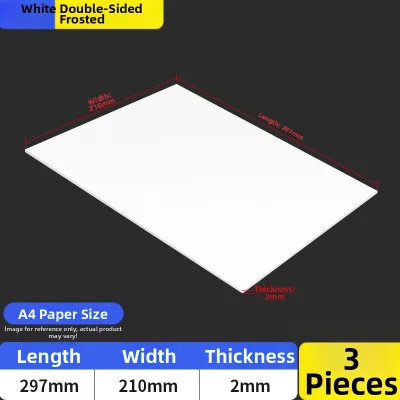
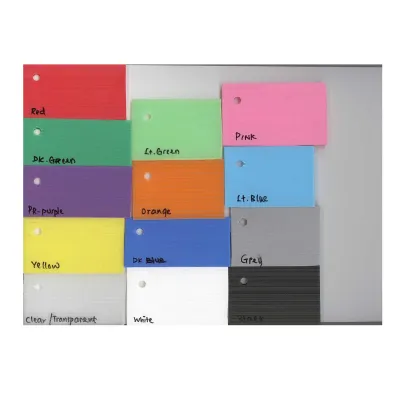
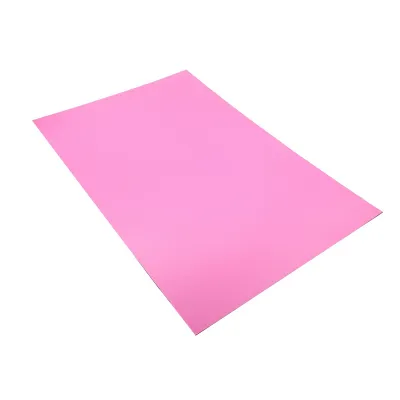

Prices are valid at publication and may change. Please refer to the product page for the latest price.
To ensure the board will actually hold your teaching tools, carefully inspect the product specifications for terms like “steel core,” “magnetic receptive,” or “iron backing.” A true magnetic board contains a layer of ferrous metal beneath the surface. Avoid boards described merely as “plastic writing boards” or “PP dry-erase sheets” unless they explicitly state they contain a metal layer or a specialized magnetic-receptive coating.
If you are purchasing boards for a school or tutoring center, it is wise to test a single unit before committing to a bulk order. You can verify the magnetic pull by placing a standard refrigerator magnet or one of your classroom magnetic letters onto the surface. The letter should cling firmly without sliding down. If the board uses a magnetic paint or a thin iron-powder coating rather than a solid steel sheet, the magnetic attraction may be weaker, requiring lightweight letters with strong magnets rather than heavy, thick rubber magnets.
Selecting the Right Size and Thickness for Your Space
The physical dimensions of your PP plastic board should directly correspond to how and where you plan to teach. For individual student work at desks or on the floor, compact boards measuring roughly A4 size or slightly larger are ideal. These smaller boards are easy for young children to handle, stack, and store in cubbies when the lesson concludes.

For small group instruction or guided reading tables, a medium-sized board—approximately 30 by 40 centimeters—provides enough space for spelling out longer words or sentences without crowding the workspace. These boards are portable enough to move between different learning stations but offer sufficient surface area for collaborative activities.
If you intend to mount the board on a classroom wall or place it on a large easel for whole-class demonstrations, you will need a much larger format, such as 60 by 90 centimeters. Before purchasing a large-format board, measure your available wall space, easel height, and clearance from low-hanging shelves to ensure a proper fit.
Board thickness and frame depth are critical for maintaining structural rigidity. Thin, unsupported PP sheets tend to warp or bow over time, especially when subjected to temperature changes or leaned against a wall. Look for boards with a reinforced PP frame that is at least 10 to 15 millimeters thick. A sturdy frame prevents the board from flexing, ensuring a flat, stable surface that keeps magnetic letters from sliding off due to warping.
Evaluating Surface Finish and Usability
The surface finish of your PP board affects both the visibility of your lessons and how easily you can clean the board after use. High-gloss finishes are excellent for dry-erase markers, allowing ink to glide smoothly and wipe away without leaving stains. However, glossy surfaces reflect overhead classroom lights, creating a harsh glare that can strain children’s eyes or obscure letters from certain angles in the room.
Matte or textured finishes significantly reduce glare, making the board easier to read from anywhere in the classroom. The trade-off is that matte surfaces can be more porous, which sometimes leads to “ghosting”—where faint marker residue remains visible even after erasing. If you plan to use dry-erase markers frequently alongside magnetic letters, look for a board that features a specialized scratch-resistant, non-porous coating designed to resist ghosting.
When evaluating the surface, perform an observable check for quality. High-quality boards often ship with a thin, protective plastic film that you must peel off before the first use; this film protects the surface from scratches during transit. Additionally, avoid heavily textured or frosted PP surfaces. While they may look modern, the microscopic bumps on a textured surface reduce the contact area between the board and the flat backing of your magnetic letters, drastically lowering the magnetic holding power.
Safety, Mounting, and Portability Features
Safety is a paramount consideration in any learning environment, particularly when working with younger children who are still developing their motor skills. Examine the corners of the PP frame to ensure they are rounded and smooth. Sharp, square plastic corners can cause scratches or minor injuries during active group work or when students carry the boards themselves.
Look for manufacturer labels indicating that the plastic components are non-toxic and free from harmful phthalates or heavy metals. While PP is generally considered a safe, food-grade plastic, verifying these safety standards on the product packaging provides peace of mind for classroom use.
Consider how the board will be positioned during lessons. If you plan to mount it permanently, check if the board includes pre-drilled holes, mounting brackets, or hanging loops. For temporary setups, some boards feature magnetic feet or adhesive strips that allow them to stick to existing steel whiteboards or filing cabinets.
Finally, take note of the board’s overall weight. Because a reliable magnetic board requires an internal steel or iron core, it will be heavier than a simple sheet of plastic. Ensure that your mounting hardware and wall anchors are rated to support the board’s weight, especially if you are installing a large-format board on drywall or a temporary classroom partition.
Building Your Shortlist: A Practical Checklist
Before finalizing your purchase from an online marketplace or educational supplier, use this structured checklist to evaluate your options:
- Magnetic Core: Confirm the product description explicitly mentions a steel core, iron backing, or magnetic-receptive layer, rather than just "PP plastic."
- Dimensions and Fit: Measure your classroom desks, easels, or wall space to ensure the board size matches your teaching setup.
- Surface Quality: Opt for a smooth, non-porous, scratch-resistant finish that balances low glare with easy dry-erase cleaning.
- Safety Features: Verify the frame has rounded corners and is made from non-toxic, child-safe materials.
- Weight and Mounting: Ensure the board's weight is compatible with your intended mounting method, whether using wall anchors, easel stands, or tabletop use.
- Return Policy: Check the supplier's return policy so you can test the magnetic strength with your specific set of magnetic letters before fully committing.
Frequently Asked Questions (FAQ)
Can I use standard craft PP plastic sheets as a magnetic board?
No, standard craft PP plastic sheets do not have magnetic properties and cannot hold magnetic letters on their own. To use them for this purpose, you would need to manually apply a self-adhesive magnetic-receptive sheet or mount the PP sheet over a sheet of galvanized steel or iron. For classroom convenience, it is generally more practical to purchase a pre-assembled composite board designed specifically for magnetic use.
How do I clean a PP-framed magnetic board without damaging it?
To clean the PP plastic frame, use a soft, damp cloth with a small amount of mild dish soap, then wipe it dry. For the magnetic writing surface, follow the manufacturer’s specific care instructions. Avoid using abrasive scrubbers, harsh chemical solvents, or alcohol-based cleaners, as these can strip away the specialized dry-erase coating and permanently damage the board’s usability.

Community discussion
Share your experience or ask a question. Comments are reviewed before publication.