
Choosing the right pearl cotton foam board is the most critical step in securing fragile items for transit or storage. This versatile material, also known as expanded polyethylene (EPE) foam, offers excellent shock absorption, but its effectiveness depends entirely on matching the board’s physical properties to your specific item. Using a foam board that is too thin or too soft can cause the item to break through the protective layer during a drop, while an overly rigid board may transfer harmful vibrations directly to delicate surfaces.
To make an informed decision, you must evaluate the weight, shape, and vulnerability of your goods, decode the technical specifications on product labels, and apply practical verification tests before sealing your packages. This systematic approach ensures your items remain fully protected against the unpredictable forces of shipping and long-term storage.
Assess Your Item's Fragility and Transit Risks
Before purchasing any packaging materials, you must analyze the physical characteristics of the item you intend to protect. The weight of the object dictates the load-bearing capacity required from the foam. Heavy items exert constant downward pressure, meaning they will easily compress low-density foam boards and lose their cushioning barrier.
Products mentioned in this guide
Prices are valid at publication and may change. Please refer to the product page for the latest price.
Dimensions and the center of gravity also play a major role in packaging design. An item with an uneven weight distribution, such as a heavy bronze sculpture on a thin pedestal, requires strategically placed foam blocks to support the heavier sections. Failing to account for the center of gravity can cause the item to shift inside the box, leading to corner damage or structural failure of the outer carton.
Next, categorize the fragility level of your item by identifying its primary vulnerability. Some items, like polished wooden boxes, acrylic displays, or lacquered silverware, are highly sensitive to surface scratches but are relatively resistant to shattering. Other items, such as glassware, porcelain vases, or delicate laboratory equipment, are highly prone to catastrophic shattering from sudden impacts and require maximum shock absorption.
Finally, consider the environmental and physical risks associated with the item’s journey. Shipping involves dynamic forces, including sudden drops, vehicle vibrations, and rough handling by couriers. In contrast, long-term storage in a warehouse or home closet subjects the packaging to static, continuous compression from stacked boxes. Understanding whether your foam needs to withstand repetitive short-term impacts or sustained long-term pressure will guide you toward the correct density and thickness.
Decode Foam Board Specifications on Product Labels
When browsing packaging suppliers or online marketplaces, you will encounter various technical specifications on product labels. Understanding these terms allows you to select a pearl cotton foam board that matches your item’s diagnosed needs rather than relying on guesswork.

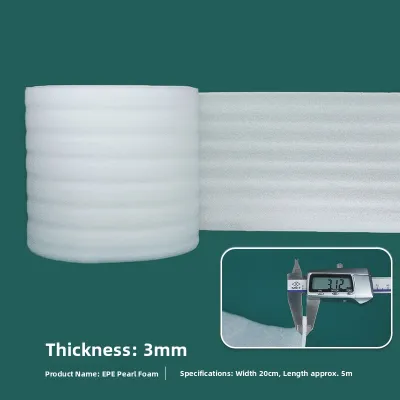
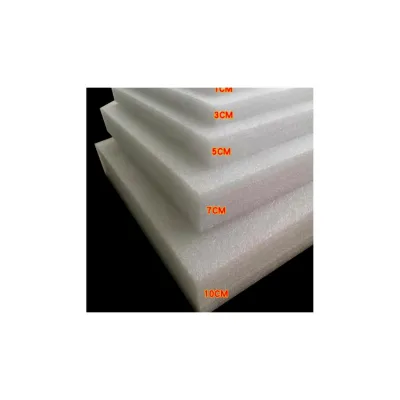
Thickness is the most straightforward specification to evaluate. Standard foam boards typically range from 10 millimetres to over 50 millimetres in thickness. Thicker boards are designed to absorb higher levels of kinetic energy by allowing the item to sink safely into the foam during an impact without hitting the hard outer box. For lightweight items, a thin board is sufficient, but heavy or highly valuable items require thicker profiles to prevent bottoming out.
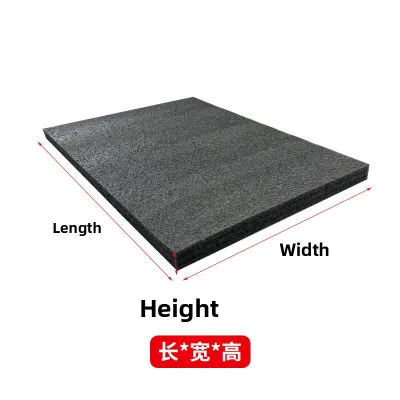
Density is another critical indicator of performance, usually measured in kilograms per cubic metre. High-density pearl cotton foam contains more closed cells per unit volume, making it firmer and highly resistant to compression. This type of foam is ideal for heavy machinery, industrial parts, or large furniture items that require structural support. Low-density foam is much softer and more flexible, making it suitable for wrapping lightweight, delicate items that require gentle cushioning rather than rigid support.
You should also look for specialized surface treatments depending on the nature of your items. Anti-static pearl cotton foam boards, which are typically tinted pink, are treated with chemical agents to prevent the buildup of electrostatic discharge. This specification is essential when packaging sensitive electronic components, computer parts, or circuit boards.
For items with highly polished or delicate surfaces, look for film-laminated foam boards. These boards feature a thin polyethylene film laminated to one or both sides of the foam. The film increases the tear resistance of the board and provides an ultra-smooth surface that prevents the abrasive texture of the foam from scratching sensitive finishes during transit.
Match Foam Profiles to Common Fragile Items
Applying these specifications to common packaging scenarios helps you build a targeted protection plan for different categories of fragile goods.
For light to medium items, such as picture frames, small decorative ceramics, or books, standard-density foam boards with a thickness of 15 to 20 millimetres are highly effective. To optimize protection, combine these flat boards with pre-formed foam edge guards or corner protectors. This setup cushions the flat surfaces while reinforcing the vulnerable corners of the frames against drops.
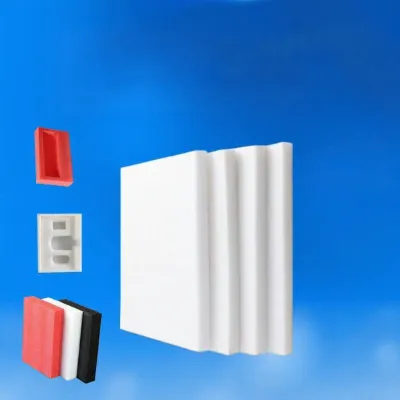
Heavy or highly fragile items, such as kitchen appliances, large ceramic pots, or heavy audio equipment, require high-density foam boards of at least 40 to 50 millimetres in thickness. Instead of simply wrapping the item, use a utility knife to cut custom cavities into the thick foam board. This immobilizes the item within the box and distributes its weight evenly across the entire surface of the foam, preventing localized pressure points.
Flat and wide items, such as mirrors, glass tabletops, or large television screens, present a unique challenge because they are highly susceptible to flexing and snapping. For these items, utilize full-face coverage by placing a continuous sheet of medium-density foam board across the entire glass surface. Pair this setup with a rigid backing material, such as heavy-duty corrugated fiberboard or plywood, to prevent the item from bending when stacked or handled.
Verify Protection With Simple Physical Checks
Once you have selected and assembled your packaging setup, you must verify its effectiveness using simple, observable physical checks before sealing the box for shipment or storage.
Begin with the shake test. Place your foam-protected item inside the outer shipping carton, close the flaps temporarily without tape, and gently lift and shake the box. If you feel any shifting, sliding, or rattling inside, the packaging is inadequate. You must add additional foam inserts, corner blocks, or crumpled paper to fill the remaining voids until the item remains completely stationary.
Next, perform a thorough gap inspection. Open the top flaps of the box and look down the sides. Ensure that there are no empty spaces or gaps between the item, the pearl cotton foam board, and the inner walls of the cardboard box. The foam should fit snugly against all surfaces, creating a continuous protective barrier that prevents the item from moving in any direction.
Finally, conduct a manual compression check on the foam itself. Apply firm pressure with your thumb to an unused section of the foam board. A high-quality, resilient pearl cotton foam board should compress slightly under pressure and then immediately rebound to its original thickness once you release your thumb. If the foam remains permanently indented or feels brittle and crumbles, it has lost its structural integrity and should not be used for packaging.
Frequently Asked Questions (FAQ)
Can pearl cotton foam board be reused for multiple shipments?
Yes, pearl cotton foam board can be reused for multiple shipments, provided it passes a thorough physical inspection. Examine the board closely for any permanent compression dents, deep tears, or structural cracking. If the foam has been flattened in specific areas, it will no longer provide adequate shock absorption for future shipments.
Additionally, avoid reusing custom-cut foam inserts for items with different shapes or weights. A foam cavity molded or cut for a specific appliance will not support a different item correctly, which can lead to shifting and damage during transit.
Does pearl cotton foam board provide waterproof protection for storage?
Pearl cotton foam board features a closed-cell structure that naturally resists water absorption, making it highly effective at blocking dampness and humidity. This moisture resistance is particularly beneficial when storing items in humid climates, such as Singapore, where ambient moisture can damage cardboard and paper products.
However, while the foam material itself is water-resistant, a standard wrapping of foam boards does not create a completely airtight or waterproof seal. For long-term storage in damp environments, you should wrap the foam-protected item in heavy-duty plastic shrink wrap and place silica gel packets inside the package to absorb any trapped moisture.

Community discussion
Share your experience or ask a question. Comments are reviewed before publication.