
Choosing the right parcel drop bag size depends on the physical dimensions of your item—specifically its length, width, and thickness—as well as its flexibility. To avoid overpacking or seam failure, you must calculate the three-dimensional volume of your item and match it to the bag’s usable internal space rather than its flat external dimensions.
Understanding Parcel Drop Bag Dimensions
When shopping for a parcel drop bag, manufacturers typically list sizes using a flat two-dimensional format: width by length (for example, 250 mm x 350 mm). This measurement represents the outer edge-to-edge dimensions of the bag when laid completely flat. It does not represent the actual volume of three-dimensional space available inside the bag once an item is inserted.
Several physical design features reduce this nominal space. The bottom seal and side seams consume a few millimeters of material on each edge. Additionally, the top flap—which contains the adhesive strip—must fold over the opening to seal the package, reducing the effective length of the bag.
Products mentioned in this guide
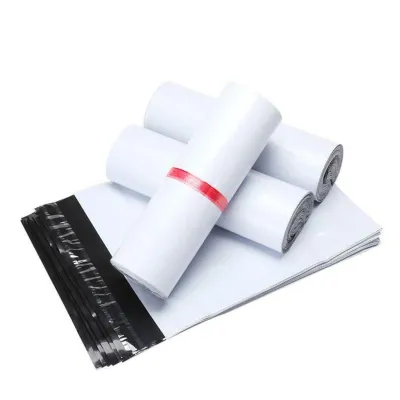
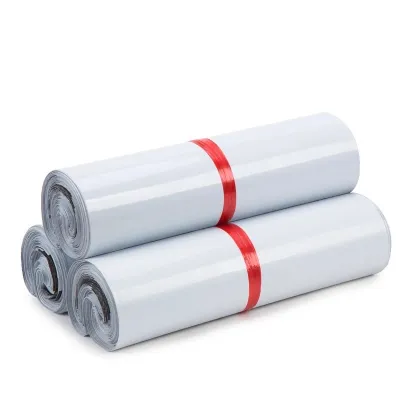
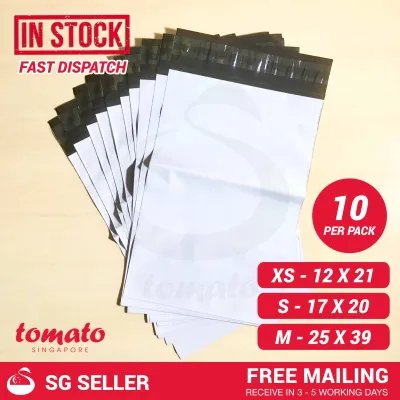
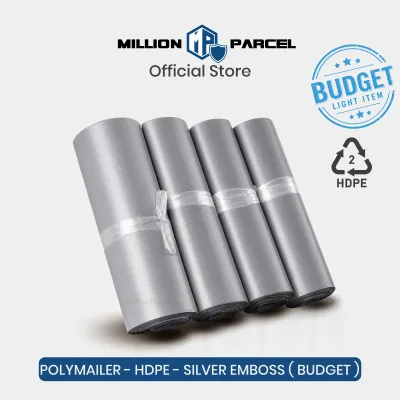
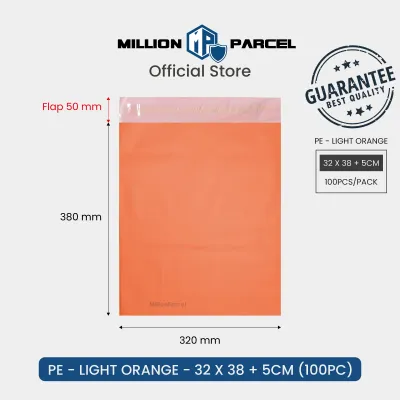
Prices are valid at publication and may change. Please refer to the product page for the latest price.
Some bags feature side gussets that expand to accommodate thicker items, but standard flat bags will shorten significantly in both width and length as they stretch around a bulky object. To ensure a proper fit, always check the manufacturer’s specifications for the “usable dimensions” or “internal dimensions.” If these are not explicitly listed, you must assume the actual usable space is smaller than the advertised flat size.
How to Measure Your Items for Shipping
To determine the minimum bag size required, you must measure the three primary dimensions of your item: length, width, and thickness (or height). If you plan to wrap the item in bubble wrap or place it inside an inner box first, measure the item after it has been fully prepared for shipping.

To calculate the minimum required bag width, add the item’s width to its thickness, then add an extra allowance of at least 10 mm to 20 mm. This allowance ensures the bag can slide over the item easily without putting excessive tension on the side seams. For example, an item that is 150 mm wide and 30 mm thick requires a bag with a flat width of at least 190 mm.
To calculate the minimum required bag length, add the item’s length to its thickness, and then add the length of the sealing flap (typically 40 mm to 50 mm). This ensures the flap can fold over completely and adhere securely to the back of the bag. Using the same example, an item that is 200 mm long and 30 mm thick, with a 40 mm flap requirement, will need a bag that is at least 270 mm long.
Matching Bag Sizes to Common Item Categories
The physical characteristics of your goods dictate how precisely you must calculate these dimensions. Rigid items require exact mathematical calculations, whereas compressible items offer more flexibility during packing.
Flat and Flexible Items (Documents, Apparel, Soft Goods)
Flat and flexible items, such as documents, t-shirts, and soft textiles, conform easily to the shape of a flat parcel drop bag. For thin documents or single catalogs, a snug fit is ideal because it prevents the contents from shifting, sliding, or folding during transit. A bag that is too loose can cause paper edges to bend or crease.
When packing bulkier soft goods like folded sweaters or hoodies, you should size up slightly. Although these items are compressible, forcing a thick stack of fabric into a tight bag will stretch the material and put intense pressure on the heat-sealed seams. Sizing up by one standard bag size prevents seam failure while keeping the package neat.
Because flexible items can bend and shift, you often do not need to perform complex thickness calculations. You can generally rely on the flat dimensions of the bag, provided you leave a small margin of around 20 mm on each side to accommodate the natural loft of the fabric.
Bulky or Rigid Items (Books, Small Boxes, Hard Goods)
Rigid items like hardcover books, boxed board games, or plastic electronics do not compress or bend. For these items, the thickness adjustment calculation is mandatory. The bag must wrap around the hard edges of the object, which pulls the front and back sheets of the bag inward and reduces the effective width and length.
Forcing a rigid, sharp-cornered item into a bag that is too small is a common cause of shipping failures. The sharp corners can easily puncture the plastic or paper material, and the tension can split the side seams during sorting. Furthermore, if the bag is too short, the adhesive flap will not align properly with the sealing zone, leaving the package partially open and vulnerable to dust or moisture.
If your rigid item is exceptionally thick—typically exceeding 50 mm—or has sharp, heavy corners, a flexible parcel drop bag may not be the best choice. In these cases, switching to a rigid mailer box or a corrugated cardboard box provides better structural integrity and protection. This transition ensures the item remains secure without risking a torn bag during transit.
Avoiding Common Sizing Mistakes
Choosing the wrong bag size can lead to both physical damage and unnecessary shipping expenses. Underfitting forces the bag material to stretch to its absolute limit. This tension makes the package highly susceptible to bursting when stacked under heavier parcels in delivery vans or automated sorting facilities.
Conversely, overpacking by using a bag that is far too large creates its own set of problems. Excess loose material can get caught in conveyor belts, leading to torn packaging. Additionally, many logistics providers calculate shipping fees based on dimensional weight rather than actual weight; an oversized, half-empty bag can unnecessarily increase your shipping costs.
Before sealing your parcel drop bag, perform a quick visual check to verify a proper fit. Ensure the item slides in smoothly without requiring force, and check that the side seams remain flat without puckering or pulling. Finally, verify that the adhesive flap folds over completely to contact the designated sealing area, leaving no gaps or exposed adhesive.
Frequently Asked Questions (FAQ)
How much extra space should I leave for the sealing flap?
You should generally allow between 40 mm and 50 mm of extra length specifically for the sealing flap. This length ensures the flap can fold over the top edge of your item and make full contact with the adhesive strip on the body of the bag. Some heavy-duty or double-seal bags may require a slightly larger fold-over margin to ensure a tamper-evident seal, so always verify the flap length on the manufacturer’s specification sheet.
Can I use a standard parcel drop bag for fragile items?
Standard, unpadded parcel drop bags do not provide impact protection and are not suitable for fragile items on their own. If you are shipping breakable goods, you must first wrap them securely in protective cushioning, such as bubble wrap, or place them inside a rigid inner box. Once the item is safely cushioned, you can place the entire assembly inside a larger parcel drop bag to provide water resistance and a clean shipping surface.

Community discussion
Share your experience or ask a question. Comments are reviewed before publication.