
Choosing the right pant shorten clip depends entirely on matching the clip’s material, tension, and jaw design to the weight of your trouser fabric. Lightweight fabrics like silk or chiffon require low-tension plastic clips with smooth, non-abrasive gripping surfaces to prevent snags. Medium-weight fabrics like cotton chinos or linen trousers pair well with moderate-tension clips featuring protective silicone or rubber inserts. Heavyweight fabrics like denim, canvas, or thick wool demand high-tension metal clips with wide jaws capable of securing multiple folded layers without slipping.
Temporary hemming tools offer an adaptable solution for quick styling adjustments, especially when transitioning between different footwear styles. In humid climates where sudden rain might prompt you to roll up your hems to avoid wet pavements, having a reliable set of clips in your bag prevents permanent damage to your trousers. Understanding the mechanical differences between clip types ensures your garments remain secure and undamaged throughout the day.
By evaluating the structural characteristics of various clips, you can build a versatile styling kit that accommodates everything from delicate evening wear to rugged utility trousers. This guide outlines how to assess clip materials, match them to specific fabric categories, and apply them safely to preserve the longevity of your wardrobe.
Products mentioned in this guide
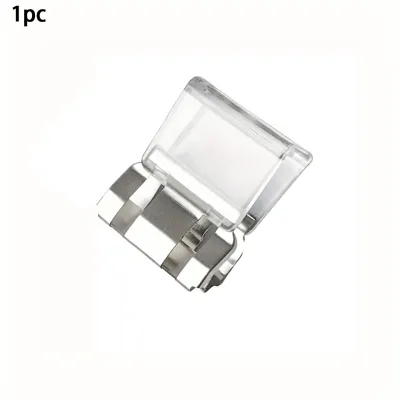
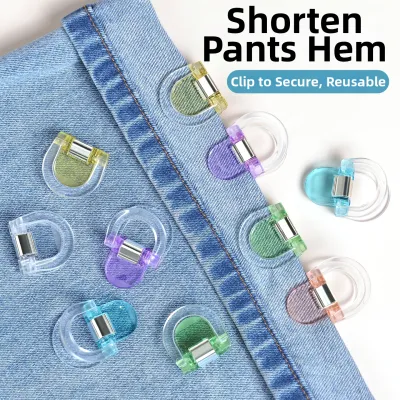
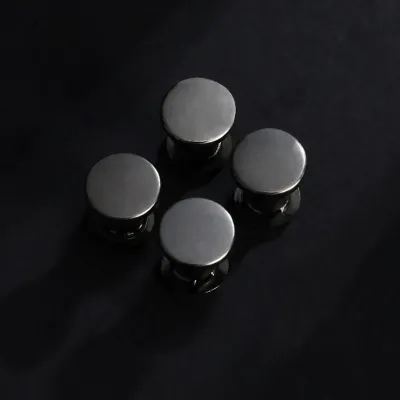
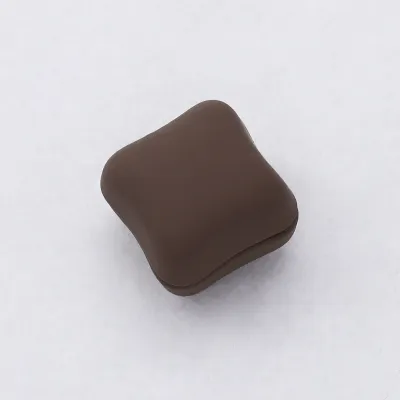
Prices are valid at publication and may change. Please refer to the product page for the latest price.
Evaluating Clip Materials and Grip Designs for Fabric Safety
When selecting a pant shorten clip, the primary material of the clip determines its baseline clamping force and structural durability. Metal clips, typically constructed from stainless steel, brass, or plated iron, offer high structural rigidity and long-term durability. These clips utilize strong steel coil springs that exert significant clamping force, making them highly resistant to bending or slipping under load. However, this high tension can easily crush delicate textile fibers if the gripping surfaces are not properly designed or padded.
Plastic clips, often molded from polycarbonate, acrylic, or ABS plastic, provide a lighter and more flexible alternative. The tension in plastic clips is generally lower than that of metal counterparts, which reduces the risk of leaving deep, permanent indentations on softer fabrics. While plastic options are highly resistant to moisture and will not rust, they are more prone to material fatigue, cracking, or snapping when forced to open beyond their designed jaw capacity.
The design of the gripping surface, or jaw, directly influences how the clip interacts with fabric fibers. Smooth jaws rely entirely on surface friction and spring tension to hold the hem in place. This design is exceptionally gentle on delicate weaves, as it lacks sharp edges that could catch on loose threads. However, smooth jaws may struggle to maintain a grip on highly slippery synthetic materials if the spring tension is too weak.
Textured jaws feature ridges, teeth, or grooved patterns designed to bite into the fabric weave for a more secure hold. While highly effective at preventing slippage on heavy, textured textiles, these ridges concentrate pressure on small areas of the fabric. On fine or tightly woven materials, textured jaws can sever individual threads or leave permanent, unsightly puncture marks that do not disappear after washing.
To balance security and fabric safety, many modern clips incorporate protective linings made of silicone, rubber, or soft vinyl. These inserts cushion the fabric, distributing the clamping force evenly across a larger surface area while significantly increasing friction. This hybrid design allows for a secure grip without the need for aggressive teeth, making it a versatile choice for a wide range of garment types.
Spring mechanism strength must be carefully matched to the thickness of the folded hem. A spring that is too strong will compress the fabric excessively, leading to fiber distortion and difficult-to-remove creases. Conversely, a spring that is too weak will fail to hold the weight of the folded fabric, causing the hem to sag or the clip to fall off entirely during movement. Testing the spring tension manually by squeezing the clip between your fingers provides a quick assessment of its holding power before application.
Matching Clip Features to Fabric Weights: A Conditional Guide
Delicate fabrics such as chiffon, silk, satin, organza, and fine synthetics require the gentlest handling possible. These materials possess low tensile strength and are highly susceptible to snagging, thread pulling, and pressure bruising. When shortening trousers made from these textiles, you must use ultra-low-tension plastic clips with completely smooth, flat gripping surfaces. Avoid any clips with metal teeth, exposed spring edges, or sharp plastic molding seams that could catch on the delicate weave.

For these lightweight garments, the primary goal is to hold the folded hem in place without creating a bulky silhouette or distorting the natural drape of the fabric. Because delicate fabrics are exceptionally light, they do not require heavy clamping force to remain folded. Using a clip with rubberized or silicone-lined jaws ensures a slip-free hold while keeping the pressure low enough to prevent fiber crushing. Ensure the clips themselves are lightweight so they do not drag the hem downward, which can ruin the line of the trousers.
Medium-weight fabrics, including cotton twill, linen, polyester blends, lightweight denim, and suiting wool, represent the majority of everyday trousers. These materials are more resilient than delicate silks but can still suffer from permanent creasing or fiber damage if subjected to excessive, unpadded pressure. For these garments, look for moderate-tension clips that balance holding power with surface protection.
An ideal clip for medium-weight trousers is a sturdy plastic or coated metal clip equipped with silicone inserts. The moderate spring tension ensures the clip remains anchored while you walk, sit, and move throughout the day. Since linen and cotton are prone to holding creases, distributing the pressure evenly with padded jaws is essential to minimize post-use ironing. If you are commuting or walking long distances, a slightly stronger spring tension is acceptable, provided the jaw surfaces are completely flat and free of sharp teeth.
Heavyweight fabrics such as raw denim, heavy canvas, thick wool tweed, and corduroy present a different set of challenges. These materials are thick, stiff, and heavy, requiring substantial force to hold a folded hem in place, especially where multiple layers overlap at the side seams. Low-tension plastic clips will quickly pop open or slide off under the weight and resistance of these textiles.
To secure heavy garments, you must use high-tension metal clips with wide jaw clearances. The clip must be robust enough to span the entire thickness of the folded hem—often three to four layers of dense fabric—without bending or losing its grip. Look for steel clips with strong coil springs and textured or ribbed jaws that can bite securely into the dense weave. While these textured jaws might leave temporary marks, heavy fabrics like denim and canvas are highly resilient, and any indentations typically disappear after a standard wash cycle or a quick steam.
Preventing Fabric Damage and Ensuring a Secure Hold
Before applying any pant shorten clip to a visible portion of your trousers, it is critical to perform a hidden tension and mark test. Clip the tool onto an inconspicuous area of the garment, such as the inside of the pocket lining, the inner seam allowance, or the hidden portion of the existing hem. Leave the clip in place for several hours, ideally under conditions that mimic active wear, to observe how the fabric reacts to the pressure.
After removing the clip, inspect the test area closely under good lighting. Check for fiber crushing, permanent indentations, thread shifting, or any signs of discoloration. If the fibers do not return to their original state after a gentle rub with your fingertip or a light application of steam, the clip’s tension is too high for that specific fabric. In this scenario, you should select a clip with lower tension or add a small piece of soft fabric scrap between the clip jaws and your trousers to act as a protective buffer.
Proper placement of the clips is equally important for maintaining both the aesthetic drape of the trousers and the security of the hold. Avoid placing clips directly over bulky side seams, flat-felled seams, or areas with existing hardware like rivets or heavy stitching. Clamping over uneven thicknesses concentrates all the spring tension onto a single high point, which increases the risk of fabric damage and often causes the clip to sit crookedly and slip off.
Instead, position the clips slightly adjacent to the major seams where the fabric thickness is uniform. Space the clips evenly around the circumference of each leg opening, typically using three to four clips per leg depending on the width of the trouser opening. This even distribution prevents the hem from sagging or bagging between attachment points, maintaining a clean, professional-looking hemline while distributing the weight of the fold evenly across the clips.
During wear, pay close attention to the physical feedback from your garments to recognize early signs of clip failure. If you feel a clip shifting, sliding, or pulling uncomfortably against your leg, stop and inspect the attachment. Visible fiber stress, where the threads around the clip appear pulled or distorted, indicates that the fabric is under too much tension and the clip should be repositioned or removed immediately.
If you find that clips consistently slip, fail to hold the hem, or restrict your natural walking stride, it is a clear sign that the temporary clips are not suited for the task. This often occurs with extremely heavy fabrics or when attempting to shorten a hem by a significant distance. In these cases, you should transition to a more secure semi-permanent method, such as fabric-safe adhesive hem tape, or consult a professional tailor for a permanent alteration that preserves the integrity and fit of your trousers.
Frequently Asked Questions (FAQ)
Can I wash my pants while the shorten clips are attached?
No, you must always remove pant shorten clips before laundering your garments. Washing machines and tumble dryers subject clothing to intense mechanical agitation, high temperatures, and prolonged moisture exposure. If left attached, plastic clips can easily warp, crack, or snap, while also posing a risk of snagging and tearing other garments in the wash load. Metal clips can cause severe friction damage to the trouser fabric during the spin cycle and may rust rapidly when exposed to water and detergents. Always detach all clips and restore the trousers to their full length before washing to ensure both the garment and the clips remain undamaged.
Will metal clips leave permanent rust stains on light-colored fabrics?
Uncoated or low-grade metal clips can oxidize when exposed to humidity, sweat, or residual moisture, which can lead to stubborn orange-brown rust stains on light-colored trousers. To prevent this, always select clips made from high-grade stainless steel or those featuring protective polymer or rubber coatings over the metal components. Avoid using metal clips on damp garments or wearing them in heavy rain. Additionally, store your clips in a dry, cool environment when not in use, and inspect them regularly for any signs of surface corrosion or peeling protective coatings before applying them to pale fabrics.
Are pant shorten clips a permanent replacement for sewing or hem tape?
Pant shorten clips are designed strictly as a temporary, highly adjustable styling solution and should not be used as a permanent replacement for sewing or adhesive hem tape. Because clips rely on mechanical clamping force, they can shift, slide, or detach during vigorous movement, running, or climbing stairs. They also add visible bulk and weight to the hemline, which can alter the natural drape of fine trousers. For long-term wear, a clean aesthetic, and reliable durability, permanent hand-stitching, machine hemming, or high-quality fusible hem tape remains the standard standard for garment alterations.

Community discussion
Share your experience or ask a question. Comments are reviewed before publication.