
Selecting the right paint brush cleaner is the single most important factor in extending the lifespan of your artistic tools. Using the wrong cleaning agent can permanently ruin a brush by stripping the natural oils from animal hair, melting synthetic filaments, or dissolving the adhesive that holds the bristles inside the metal ferrule. To keep your brushes in pristine condition, you must match your cleaner to both the chemical binder of the paint you are using and the specific material of your brush bristles.
While water alone can wash away fresh watercolor and wet acrylic, it is entirely ineffective against oil paint and dried acrylic polymers. Understanding the distinct cleaning requirements of each paint medium allows you to choose a formulation that thoroughly lifts pigments without causing structural damage to your tools. By establishing a systematic cleaning routine, you can maintain the spring, shape, and performance of your brushes for years to come.
Understanding Cleaner Requirements by Paint Type
Every paint medium relies on a specific binder that holds pigment particles together and adheres them to a surface. Because these binders have completely different chemical structures, a single universal cleaner cannot work perfectly for all types of paint. To clean your brushes effectively, you must understand how these binders behave when wet and how they cure over time.
Products mentioned in this guide
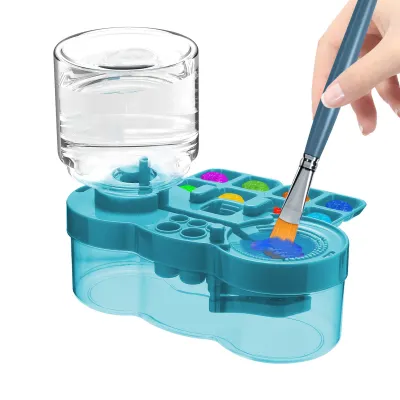
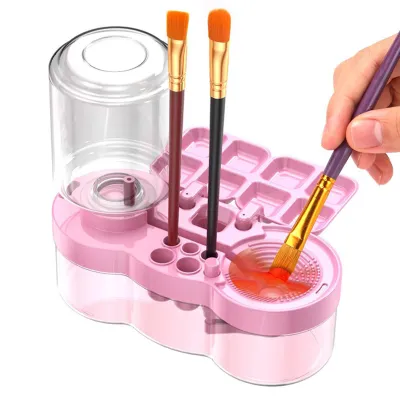
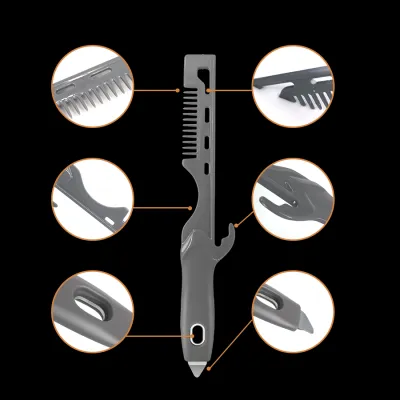
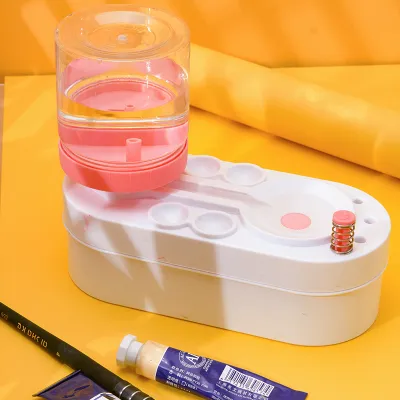
Prices are valid at publication and may change. Please refer to the product page for the latest price.
Watercolor and Gouache Watercolor and gouache paints utilize gum arabic, a natural, water-soluble binder. Because gum arabic does not undergo a chemical change as it dries, it remains soluble in water indefinitely. While this makes watercolor brushes the easiest to clean, pigments can still migrate deep into the brush head and stain the fibers. Cleaning watercolor brushes requires gentle, surfactant-based formulations that lift stubborn pigment particles out of the ferrule junction without stripping the delicate natural hairs typically used for this medium.
Acrylic Paint Acrylic paint consists of pigment suspended in an acrylic polymer emulsion. When wet, the polymer is fully water-soluble, meaning you can easily rinse the brush with water during your painting session. However, as acrylic paint dries, the water evaporates, and the polymer molecules cross-link to form a highly durable, flexible, and water-resistant plastic film. Once this plastic cures, normal soap and water will not dissolve it. Cleaning dried acrylic requires specialized conditioners or mild solvents capable of breaking down the cross-linked polymer matrix without melting synthetic brush fibers.
Oil Paint Oil paint relies on drying oils, such as linseed, safflower, or walnut oil, which cure slowly through oxidation rather than simple water evaporation. Because these oils are hydrophobic, water alone cannot penetrate or lift the paint from the bristles. To clean oil brushes, you must use non-polar solvents, natural oils, or specialized emulsifiers that can break the oil bonds, suspend the pigment particles, and allow them to be wiped away.
Decision Framework To determine the best cleaning approach, follow this simple decision framework:
- Identify the paint medium: Determine whether you are working with watercolor, acrylic, or oil.
- Assess the state of the paint: Note if the paint is still wet, partially dry, or fully cured onto the bristles.
- Select the cleaner class: Choose a mild conditioning soap for watercolors and wet acrylics, a solvent or oil-emulsifier for oil paints, or a heavy-duty chemical restorer for cured acrylics or hardened oils.
Matching Cleaners to Your Brush Bristles
Once you know the chemical requirements of your paint, you must cross-reference them with the material of your brush bristles. Using a cleaner that is incompatible with your brush fibers can cause irreversible damage, such as splitting, curling, or shedding.

Natural Hair Brushes Natural hair brushes are made from animal fibers, including Kolinsky sable, squirrel, ox, goat, or hog bristle. These natural hairs have a porous structure with microscopic cuticles, similar to human hair. These cuticles absorb and retain natural lipids, which give the brush its spring, flexibility, and ability to hold a sharp point. Harsh, unconditioned solvents or aggressive detergents strip these vital oils, leaving the hair dry, brittle, and highly prone to splitting or snapping. For natural hair, you should always prioritize mild, pH-neutral cleaners with built-in conditioning agents, such as specialized vegetable-based brush soaps.
Synthetic Bristles Synthetic brushes are constructed from man-made polymers like nylon, Taklon, or polyester. These fibers are smooth, non-porous, and highly resistant to solvents and acrylic binders, making them the preferred choice for acrylic painting. However, synthetic filaments are highly sensitive to extreme heat and aggressive chemical strippers, such as acetone or lacquer thinners. Exposure to these harsh chemicals can melt, warp, or permanently curl the fine tips of the synthetic fibers, rendering the brush useless.
Actionable Advice Always read the manufacturer’s label on both the brush and the cleaner to verify material compatibility. Before applying a new heavy-duty restorer or solvent to an expensive brush set, perform a spot test on an older, worn-out brush of the same material. Additionally, avoid soaking any brush—natural or synthetic—all the way up to the ferrule for extended periods, as this can degrade the synthetic fibers and dissolve the adhesive holding the bristles in place.
Types of Paint Brush Cleaners and What They Do Best
Brush cleaners are formulated in several distinct categories, each designed for specific stages of cleaning and maintenance. Selecting the right category depends on your painting medium, your workspace setup, and whether you are performing daily maintenance or attempting to rescue a damaged brush.
Soap-Based Cleaners and Preservers
Specialized brush soaps are available in solid cakes, pastes, or liquid concentrates. These soaps are formulated with mild surfactants and natural conditioning lipids, such as coconut oil, olive oil, or vegetable glycerin. They are highly effective at lifting watercolor, gouache, and wet acrylic paints from both natural and synthetic bristles.
As these soaps clean, they deposit a micro-layer of conditioning agents that help keep natural hair hydrated and flexible. Many artists use these soaps to shape the brush head into a perfect point or flat edge before storage; the soap dries into a protective shell that holds the shape and washes out easily with water before the next use.
However, soap-based cleaners have clear limitations. They cannot dissolve fully cured acrylic polymers or heavy oil resins on their own. For oil painters, brush soaps are best used as a final conditioning wash after the majority of the paint has been removed with a solvent or oil-emulsifier.
Solvent-Based Cleaners and Safer Alternatives
Solvent-based cleaners are essential for oil painting, as they are the only agents capable of rapidly dissolving drying oils and resins.
- Traditional Solvents: Odorless mineral spirits (OMS) and turpentine are highly efficient at breaking down oil binders. They allow pigments to settle quickly, making them popular for deep cleaning during active painting sessions. However, traditional solvents release volatile organic compounds (VOCs), are highly flammable, and pose health risks if inhaled over long periods.
- Modern, Safer Alternatives: Citrus-based solvents (derived from d-limonene), soy-based cleaners, and vegetable-oil-based cleaning systems offer excellent paint-dissolving power with significantly lower toxicity and VOC levels. These alternatives are non-flammable and much safer for home studios, especially in high-density residential areas like Singapore where cross-ventilation may be limited. They do, however, require slightly longer contact times to fully dissolve heavy resins.
When using any solvent, always ensure your workspace has active ventilation. Store solvent-soaked rags in airtight, water-filled metal containers to eliminate the risk of spontaneous combustion, and check local environmental regulations for proper hazardous waste disposal.
Heavy-Duty Restorers and Multi-Purpose Gels
Heavy-duty brush restorers and multi-purpose cleaning gels are formulated with strong organic solvents or alkaline compounds designed to penetrate and soften dried, cured acrylic or oil paint.
These products work by swelling the hardened paint matrix, turning it into a soft, gel-like consistency that can be gently combed or wiped out of the bristles without snapping the delicate fibers. They are invaluable for rescuing expensive brushes that were accidentally left to dry with paint on them.
To use these restorers safely, apply them selectively. Suspend the brush vertically so that only the bristles are submerged in the liquid; do not allow the restorer to reach the metal ferrule. Prolonged contact with strong restorers can dissolve the epoxy or glue holding the bristles inside the ferrule, leading to permanent shedding. Keep in mind that restorers are intended as occasional salvage treatments, not for daily cleaning routines.
Step-by-Step Cleaning and Maintenance Routine
Establishing a consistent cleaning routine is the most effective way to protect your investment in art brushes. Proper technique prevents paint buildup near the ferrule, which is the leading cause of brush splitting and shedding.
Daily vs. Deep Cleaning During an active painting session, perform quick rinses in water or a mild solvent to prevent paint from drying on the outer bristles. At the end of your session, commit to a thorough deep clean using a dedicated brush cleaner to remove pigment particles trapped deep near the ferrule.
The Washing Technique To wash your brushes safely and thoroughly, follow these steps:
- Remove excess paint: Wipe the brush head gently on a lint-free cloth or paper towel to remove as much wet paint as possible before introducing water or cleaner.
- Wet the brush: Rinse the bristles in lukewarm water. Never use hot water, as heat can melt the glue inside the ferrule and cause the brush to shed.
- Apply the cleaner: Swirl the wet brush gently onto your brush soap or apply a small drop of liquid cleaner to the bristles.
- Work up a lather: Gently swirl the brush head on a textured silicone cleaning mat or in the palm of your hand. Avoid pressing the brush flat or bending the bristles at sharp angles, which can damage the core fibers. Keep the lather concentrated on the bristles and avoid pushing it up into the ferrule.
- Rinse thoroughly: Rinse the brush under running lukewarm water. Repeat the soaping and rinsing process until the lather remains completely white and the water runs clear.
Rinsing and Reshaping After rinsing, gently squeeze out excess water using a clean microfiber cloth, pulling smoothly from the ferrule to the tip. Use your fingers to carefully reshape the bristles into their original form—such as a sharp point for round brushes or a crisp, straight edge for flat brushes.
Drying and Storage Lay the reshaped brushes flat on a clean, dry towel, or hang them vertically with the bristles pointing downward using specialized brush clips or holders. Never dry brushes upright in a jar or cup; gravity will pull water and dissolved pigment down into the ferrule, rotting the wooden handle, rusting the metal, and dissolving the adhesive. In Singapore’s humid climate, ensure brushes are dried in a well-ventilated area to prevent mold or mildew from developing on damp natural hairs.
Safety and Disposal Never wash raw oil paint or solvent mixtures directly down the household sink. The heavy metals in pigments (such as cadmium or cobalt) and the chemical solvents can contaminate water systems and damage plumbing. Instead, use a two-jar system for solvents, allowing the pigment to settle to the bottom over several days so the clean solvent can be decanted and reused. Wipe excess paint onto paper towels and dispose of them in accordance with local municipal solid waste guidelines.
Frequently Asked Questions (FAQ)
Can I use dish soap or household cleaners on my art brushes?
Dish soaps and household detergents are engineered to strip grease and oils aggressively. While they may occasionally be used in an emergency to clean synthetic brushes, they are highly damaging to natural hair brushes. They strip the natural protective lipids from animal fibers, leaving them dry, frizzy, and prone to breaking. Furthermore, the high alkalinity of some household cleaners can corrode metal ferrules and degrade the wood finish on brush handles over time.
How do I remove dried acrylic paint from a brush?
To salvage a brush with dried acrylic paint, submerge only the bristles in a specialized acrylic restorer or high-strength isopropyl alcohol (90% or higher) for 10 to 20 minutes. Once the cured plastic polymer begins to swell and soften into a gel-like consistency, use a fine-toothed brush comb or an old toothbrush to gently scrape the paint out, working from the ferrule toward the tip. Wash the brush thoroughly with a conditioning brush soap, rinse, reshape, and allow it to dry. Note that if the paint has cured deep inside the ferrule, the brush may lose some of its original spring and shape permanently.
Is it safe to clean oil brushes in the sink?
No, cleaning oil brushes directly in a domestic sink is unsafe for both your plumbing and the environment. Oil-based binders do not dissolve in water and will cling to the inside of your pipes, trapping other debris and eventually causing severe clogs. Additionally, many oil paints contain toxic heavy metals that should not enter the municipal wastewater stream. Always wipe away as much paint as possible onto a rag or paper towel first, rinse the brush in a jar of solvent or oil-emulsifier, and only use the sink for a final wash with soap once the majority of the pigment and oil have been safely removed and wiped dry.

Community discussion
Share your experience or ask a question. Comments are reviewed before publication.