
Choosing the right packing boxes requires balancing volume, dimensions, and structural strength. Selecting an incorrect size leads to damaged items, wasted space, or boxes that are too heavy to lift safely. By matching your items’ physical dimensions and weight to the correct box specifications, you can ensure a smooth transition during a move or shipment.
Decoding Packing Box Dimensions and Measurements
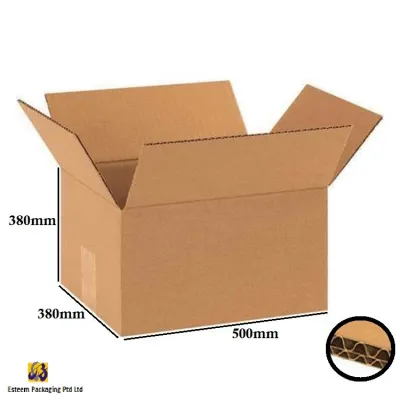
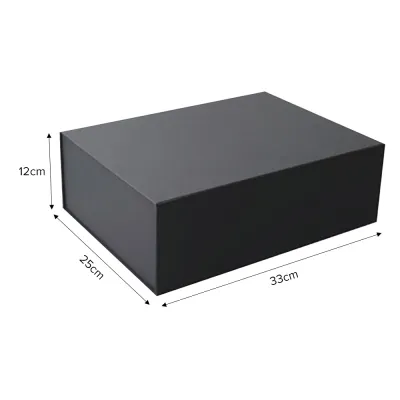
When purchasing packing boxes, dimensions are almost always listed in a standard Length x Width x Height (L x W x H) format. The length represents the longest side of the box opening, the width is the shorter side of the opening, and the height is the vertical depth of the box from the opening to the bottom.
It is critical to distinguish between internal and external dimensions. External measurements are useful for calculating shipping costs or vehicle cargo space, but internal measurements dictate what will actually fit inside. Because corrugated cardboard has thickness—especially double-wall varieties—the internal space can be up to a centimeter smaller than the external dimensions.
Products mentioned in this guide
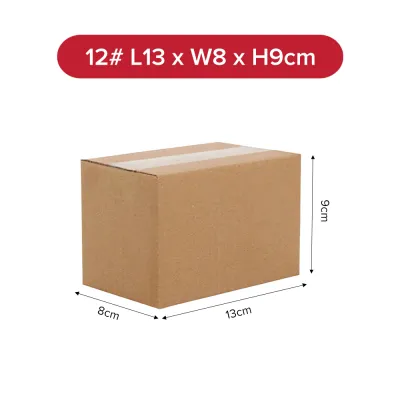
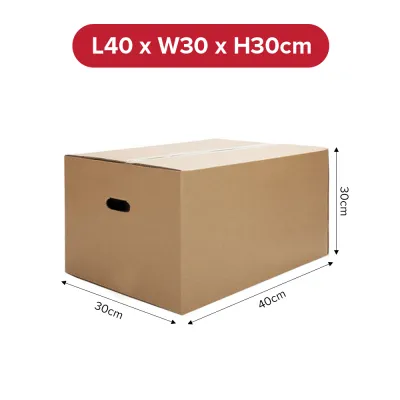
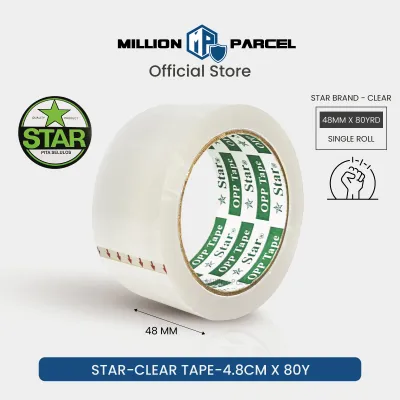
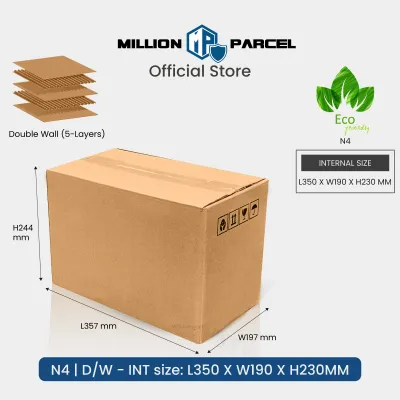
Prices are valid at publication and may change. Please refer to the product page for the latest price.
To determine the minimum box size required for irregularly shaped items, use the bounding box method. Place the object on a flat surface and measure its maximum length, width, and height at the widest points as if it were enclosed in a perfect rectangular prism. Always add a few centimeters to these measurements to account for protective cushioning materials.
Matching Box Sizes to Common Item Categories
Different categories of household and office goods require specific box volumes to remain manageable and intact during transit.

- Small Boxes: Typically measuring around 30 x 30 x 30 cm, these are best for heavy, dense items. Use them for books, tools, files, and canned goods. Keeping heavy items in smaller volumes prevents the box from becoming too heavy to lift safely.
- Medium Boxes: Usually around 45 x 45 x 40 cm, these are the most versatile options. They are ideal for mixed household goods, shoes, toys, kitchenware, and small appliances.
- Large and Extra-Large Boxes: Measuring 60 x 60 x 45 cm or larger, these should be reserved exclusively for lightweight, bulky items. Use them for bedding, pillows, cushions, and winter clothing. Packing heavy items in large boxes leads to structural sagging and handling injuries.
- Specialty Boxes: Certain items require dedicated shapes. Wardrobe boxes feature a metal hanging bar for clothing, dish packs utilize double-wall construction and cardboard dividers for glassware, and flat picture boxes protect mirrors, framed artwork, or flat-screen monitors.
Understanding Box Strength and Material Specifications
Size is only half of the equation; structural strength determines how well a box protects its contents under pressure.
Corrugated board is constructed from flat linerboards glued to a wavy inner fluting. Single-wall boxes feature one layer of fluting and are suitable for lightweight, non-fragile items. Double-wall boxes add a second layer of fluting, dramatically increasing stacking strength and puncture resistance, making them the standard choice for fragile items or long-distance moves. Triple-wall boxes are reserved for heavy industrial equipment.
To evaluate a box’s strength, look for the circular Box Maker’s Certificate (BMC) stamp printed on the bottom flap. This stamp indicates whether the box has been rated using the Edge Crush Test (ECT) or the Bursting Test (Mullen). The ECT rating measures stacking strength, indicating how much pressure a box can withstand when stacked in a pile, while the Mullen rating measures puncture resistance.
In highly humid climates, such as in Singapore, standard cardboard can absorb moisture from the air over time, which softens the fibers and reduces structural integrity. For long-term storage in non-climate-controlled environments, or for extremely high-value electronics, consider transitioning to rigid plastic totes or custom wooden crating rather than standard corrugated paper.
Maximizing Space Efficiency and Preventing Damage
Packing effectively involves utilizing the chosen box volume while ensuring the contents remain stationary during handling.
Always leave a buffer of 3 to 5 cm on all sides of the box interior. This space should be filled with cushioning materials like bubble wrap, packing paper, or foam inserts. Never let fragile items touch the outer walls of the box directly, as impact forces transfer easily through the cardboard.
Distribute weight evenly by placing the heaviest items at the bottom of the box to establish a low center of gravity. Fill all remaining empty spaces or voids with crumpled packing paper. If items are allowed to shift, they can collide and break, or cause the box to tip over during transport.
Pay close attention to the physical shape of the packed box. An overpacked box will show bulging sides and strained tape, making it highly susceptible to bursting at the seams. An underpacked box leaves empty space at the top, which risks collapsing when other boxes are stacked on top of it. If you observe either condition, stop and repack the items into a more appropriately sized container.
Frequently Asked Questions (FAQ)
Can I reuse old delivery boxes for packing fragile items?
Reusing old delivery boxes is acceptable for non-fragile items, but requires caution for delicate goods. Inspect the cardboard for soft corners, deep creases, or water stains, as these defects can reduce the box’s original structural strength by up to 50 percent. For fragile or high-value items, new double-wall boxes are highly recommended to ensure predictable protection.
What is the maximum safe weight for a standard moving box?
For safe manual handling by a single person, a packed box should generally not exceed 15 to 20 kg. Even if the Box Maker’s Certificate (BMC) stamp indicates a higher weight capacity, ergonomic lifting safety should dictate your packing limits. Always distribute heavy items across multiple small boxes rather than concentrating them in a single large container.
Should I buy packing boxes in kits or individually?
Pre-packaged moving kits offer convenience and bundled savings, making them an excellent choice for standard apartment moves where a predictable mix of sizes is needed. However, if you have specialized inventory—such as an extensive library of books or numerous framed paintings—purchasing specific box sizes individually prevents wasting money on unused, oversized containers.

Community discussion
Share your experience or ask a question. Comments are reviewed before publication.