
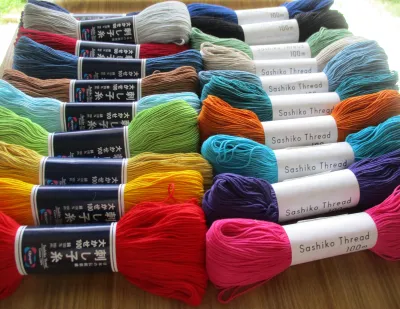
Starting a first sashiko project is an exciting entry into traditional Japanese functional embroidery, but standing in front of a craft store display or browsing an online marketplace can quickly lead to choice paralysis. Olympus, a highly respected Japanese brand, offers a wide array of sashiko threads that are ideal for beginners due to their consistent twist, matte finish, and excellent stitch definition. For your very first project, the best approach is to select a curated Olympus sashiko thread set that limits your color palette to three to five coordinating shades, or to opt for a comprehensive starter kit that bundles thread with pre-printed fabric and a dedicated needle. This focused entry point ensures you can master the basic running stitch without getting bogged down by complex color matching or mismatched materials.
By choosing a pre-sorted set, you bypass the confusion of selecting individual skeins from dozens of open stock options. Olympus designs these collections to harmonize beautifully, allowing you to focus entirely on your stitching technique, rhythm, and tension. Whether you are looking to mend a favorite pair of jeans, create elegant coasters for your living room, or explore traditional geometric patterns, selecting the right thread set is the foundation of a successful and satisfying crafting experience.
What to Look for in a Beginner Sashiko Thread Set
When evaluating different Olympus sashiko thread sets, the number of colors included is one of the most critical factors for a beginner. While a massive collection of twenty or thirty colors might look incredibly appealing on a shelf, it can easily lead to overwhelm when you sit down to plan your first pattern. A smaller set containing four to six colors is highly recommended for beginners. This limited palette allows you to experiment with contrast and color placement without losing track of your stitching path. For instance, a set that pairs a classic white or cream thread with two or three complementary shades—such as a deep indigo, a warm mustard, or a soft terracotta—provides plenty of creative freedom while keeping your design cohesive.
Products mentioned in this guide
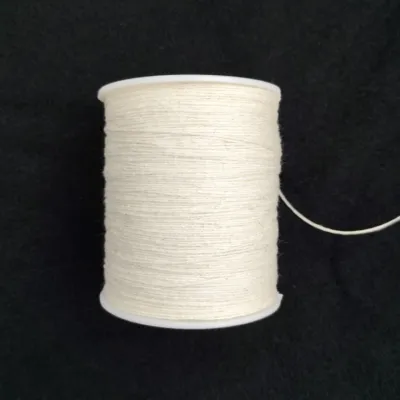
Prices are valid at publication and may change. Please refer to the product page for the latest price.
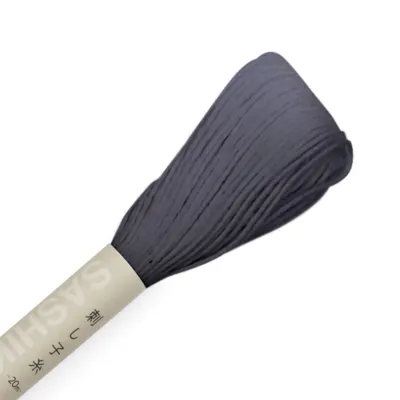
Skein length is another practical consideration that directly impacts your stitching experience. Olympus threads are packaged in various formats, typically ranging from small 20-meter skeins to larger 100-meter skeins. For a first-time crafter working on small, manageable items like coasters, bookmarks, or small drawstring pouches, shorter skeins are exceptionally convenient. They provide more than enough material to complete several small motifs while remaining easy to handle, measure, and cut. Shorter lengths also minimize the risk of the thread tangling or wearing down from being pulled through the fabric repeatedly before you finish a line of stitching.
Finally, look closely at whether the thread set is sold as a standalone collection or as part of a comprehensive starter kit. For absolute beginners, a kit that bundles Olympus thread with essential tools—such as a specialized sashiko needle, a leather or metal thimble, and a piece of pre-printed cotton fabric—offers the lowest barrier to entry. Pre-printed fabric, often referred to as hana-fukin, features wash-away guidelines that show you exactly where to place your stitches. This eliminates the need to transfer complex geometric grids onto fabric yourself, allowing you to start stitching immediately with the confidence that your pattern will turn out beautifully aligned.
Understanding Olympus Sashiko Thread Specifications
To make an informed choice, it is helpful to understand the physical characteristics of Olympus sashiko thread and how they differ from standard embroidery floss. Sashiko thread is made of 100% natural cotton and features a distinct, non-divisible construction. Unlike standard embroidery floss, which is designed to be split into individual strands depending on the desired thickness, sashiko thread is twisted tightly as a single, cohesive cord. Olympus offers different thread weights, generally classified as standard (medium) and thin. For beginners, the standard weight is the ideal choice because it creates the iconic, plump, raised stitches that define traditional Japanese needlework, sitting beautifully on top of the fabric rather than sinking into the weave.

Material composition and care instructions are equally important, especially if you plan to stitch items that will be washed frequently, such as table linens, tote bags, or clothing. Olympus sashiko threads are crafted from high-quality, long-staple cotton, which gives them excellent strength and a soft, matte finish. While these threads are highly colorfast, deep indigo shades, rich reds, and dark variegated options can occasionally release a small amount of excess dye during their initial wash. Checking the packaging for care labels and understanding how to gently hand-wash your finished piece in cool water will preserve the crisp contrast between your thread and background fabric.
As you browse Olympus sets, you will encounter both solid colors and variegated (or gradient) threads. Solid colors provide a clean, graphic look that is perfect for highlighting the geometric precision of traditional patterns like Asanoha (hemp leaf) or Seigaiha (blue ocean waves). Variegated threads, which transition smoothly from one color to another along a single strand, offer a highly dynamic, organic look. However, because the color changes automatically as you stitch, variegated threads can sometimes obscure the clean lines of highly structured geometric patterns. For your very first project, starting with solid colors allows you to monitor your stitch consistency and spacing much more easily.
Matching Thread Sets to Your First Sashiko Project
Matching your thread set to the scale and style of your intended project is key to achieving a beautiful result. If you are starting with small, high-contrast items like a set of four coasters or a simple boro-style patch on a denim jacket, look for thread sets that offer high visual contrast against your background fabric. The classic combination of bright white or ecru thread stitched onto a deep navy or indigo cotton fabric is the traditional standard for a reason. This high-contrast pairing makes every single stitch stand out clearly, which is incredibly helpful for beginners who are still training their eyes to judge stitch length and spacing visually.
For larger or more intricate projects, such as a decorative table runner, a tote bag, or a multi-pattern sampler cloth, you will want to select thread sets that offer longer skeins or a wider variety of coordinating tones. When working on a larger surface area, you can use different colors to distinguish between different sections of a geometric grid, or use subtle color gradations to create a sense of depth. When planning a larger project, always ensure that you purchase enough thread from the same set or dye lot to complete the entire piece, as slight color variations can occur between different production runs.
Always consider how the background fabric color will interact with the thread colors in your chosen set. If you are stitching on a light-colored background, such as natural linen or white cotton, look for thread sets that feature rich, saturated colors like deep forest green, mustard yellow, or classic indigo to ensure your pattern remains highly visible. Conversely, if you are working on dark fabric, pastel or bright neon thread sets will provide the necessary contrast. Testing a small sample of your chosen thread and fabric combination before committing to the full project is an excellent way to verify that the colors interact exactly the way you want them to.
Pre-Purchase Checklist for Sashiko Starter Kits
Before you complete your purchase at a local needlework shop or an online craft store, taking a few moments to run through a quick verification checklist will save you time and prevent frustration down the road. First, verify the exact contents of the package against the product description. Some product listings can be misleading, using images of complete kits when they are actually selling thread-only assortments. Ensure that the set contains the specific colorways you need and, if you are buying a complete kit, confirm that the pre-printed fabric, needle, and instructions are explicitly listed as included in the package.
Next, check the packaging or retailer notes for any specific storage, handling, or pre-washing requirements. Some specialty or hand-dyed thread sets may recommend pre-rinsing the thread to remove any residual dye before you begin stitching, especially if you are pairing dark thread with a stark white background fabric. Knowing these details beforehand allows you to prepare your materials correctly and protects your hard work from accidental color bleeding during the final wash.
Finally, confirm the return or exchange policy of the retailer, particularly when purchasing online. Because digital screens can display colors differently depending on your monitor settings and lighting conditions, the physical thread colors may look slightly different in hand than they did on your screen. Buying from a reputable retailer with a clear, customer-friendly return policy ensures that you can easily exchange your thread set if the colors do not match your project expectations upon arrival.
Frequently Asked Questions (FAQ)
Do I need special needles if my thread set does not include them?
Yes, using a dedicated sashiko needle is highly recommended for achieving the best results, even if your thread set does not include one. Sashiko needles are specifically designed to handle the unique characteristics of thick, un-divisible cotton thread. Unlike standard embroidery or sewing needles, which are often shorter and have smaller eyes, sashiko needles are exceptionally long, stiff, and feature a sharp point combined with a large, elongated eye. This specific design allows you to thread the thick cotton smoothly without fraying the fibers.
Furthermore, the length of a sashiko needle is functional rather than decorative. The traditional stitching technique involves loading multiple running stitches onto the needle, bunching the fabric up along the shaft, and then pulling the needle through all the stitches in one smooth motion. A standard sewing needle is simply too short to hold multiple stitches, which forces you to pull the thread through after every single stitch, leading to uneven tension and puckered fabric. When selecting a needle, ensure the eye width matches your thread thickness and that the needle length feels comfortable in your hand.
How should I store leftover sashiko thread to prevent tangling?
Proper storage is essential for maintaining the quality, strength, and color of your leftover Olympus sashiko thread, especially in warm, humid climates where moisture and dust can degrade natural cotton fibers over time. To prevent your thread from turning into a tangled knot, avoid unwinding the entire skein at once. Instead, cut manageable working lengths—typically about the distance from your fingertips to your elbow—directly from the skein as you need them, keeping the rest of the skein bound.
For long-term storage, wind any loose leftover thread onto simple cardboard or plastic bobbins, securing the loose end in a small notch to keep it from unraveling. Store your organized bobbins and remaining skeins in a cool, dry place, such as a dedicated craft drawer or a sealed plastic container. Keep the container away from direct sunlight, as prolonged exposure to UV rays can fade the vibrant dyes and weaken the natural cotton fibers, making the thread brittle and prone to snapping during future stitching projects.

Community discussion
Share your experience or ask a question. Comments are reviewed before publication.