
Matching the right moving box size to your household items is a fundamental step in ensuring a smooth, damage-free relocation. Packing without a clear strategy often leads to overloaded containers, broken valuables, and physical strain. By pairing specific categories of belongings with the appropriate box dimensions, you can protect your items and make the loading process far more efficient.
To pack successfully, you must evaluate your belongings by both weight and fragility. Heavy items like books require compact, sturdy boxes, while lightweight, bulky items like bedding are best suited for larger containers. This guide provides a practical framework to help you select the right box sizes, verify their structural integrity, and avoid common packing pitfalls.
The Golden Rule of Moving Boxes: Weight vs. Volume
The foundational principle of packing is simple: the heavier the item, the smaller the box should be. This rule counters the natural instinct to pack as much as possible into a single large container. Balancing weight against volume ensures that every box remains manageable to lift and structurally sound throughout the journey.
Products mentioned in this guide
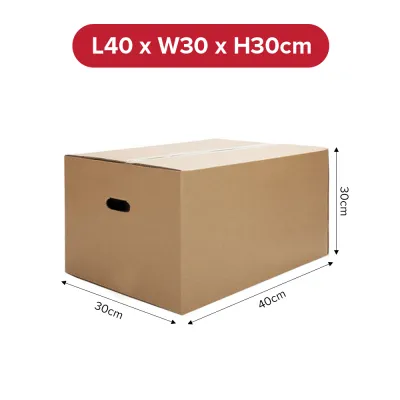
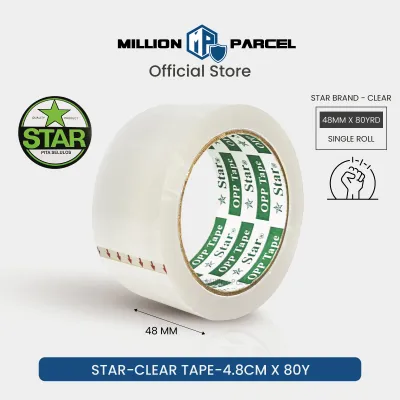
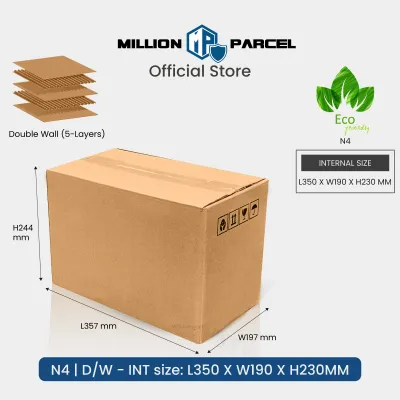
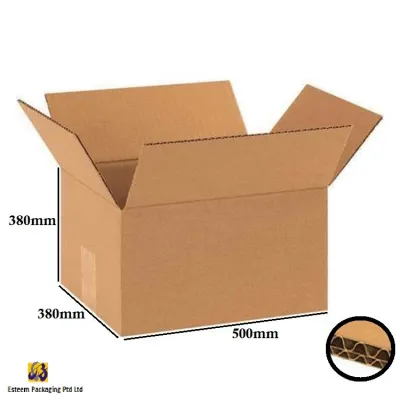
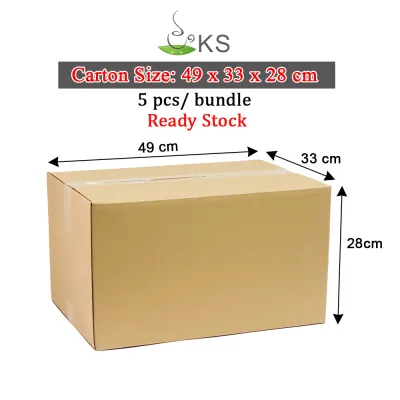
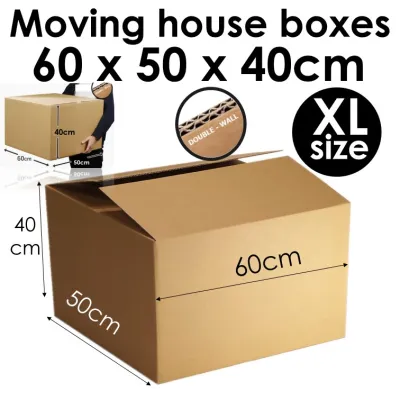
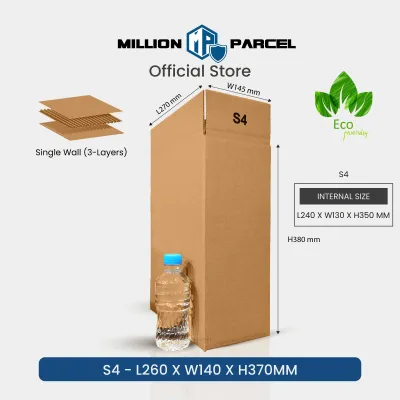
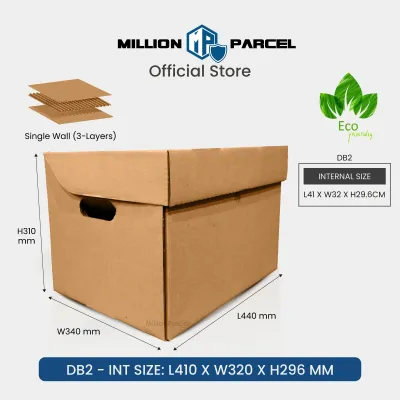
Prices are valid at publication and may change. Please refer to the product page for the latest price.
Human ergonomic limits dictate how much weight a person can safely carry without risking injury. Safety guidelines generally recommend keeping individual box weights under a manageable threshold, typically around twenty kilograms for an average adult. Packing a large box full of heavy items like books or tools quickly exceeds this safe limit, leading to physical strain or accidental drops.
Cardboard structural limits are another critical factor. Standard corrugated cardboard boxes are rated for specific weight capacities, and exceeding these limits puts immense pressure on the seams and tape. When a box is overloaded, it risks a bottom blowout, where the bottom flaps rupture under the weight, spilling and potentially damaging your belongings.
Achieving space efficiency requires a careful balance between the items themselves and the internal cushioning materials. A properly packed box should have no empty air pockets, as these gaps allow items to shift and collide during transit. Filling those gaps with lightweight materials like packing paper or bubble wrap stabilizes the load without adding unnecessary weight.
Matching Box Sizes to Specific Household Categories
Categorizing your household items before you begin packing allows you to systematically match them to the correct box sizes. Grouping your belongings by density, weight, and fragility ensures that you use your packing supplies efficiently while minimizing the risk of damage.

Heavy and Dense Items (Books, Tools, Canned Food)
Small moving boxes are mandatory for high-density items because these materials pack significant weight into a very compact volume. Items such as books, hand tools, canned pantry goods, and heavy documents can quickly become too heavy to lift if packed in larger containers. Utilizing small boxes keeps the total weight concentrated and manageable, reducing the physical effort required to move them.
When packing books, proper orientation is essential to protect their bindings and distribute weight evenly. Place books flat on their backs or standing upright with their spines aligned, just as they would sit on a shelf. Avoid packing books with the spines facing upward or at odd angles, as the downward pressure from stacking can warp the covers and damage the pages.
To prevent structural failure, avoid overfilling small boxes and ensure there are no empty air gaps. If a box of books or tools has a few inches of empty space at the top, do not fill it with more heavy items. Instead, use crumpled packing paper or clean towels to fill the remaining space, ensuring the box remains firm and does not collapse when other boxes are stacked on top of it.
Medium-Weight and Fragile Items (Kitchenware, Electronics, Decor)
Medium-sized moving boxes serve as the workhorses of any move, offering the ideal balance between weight and volume. This size is particularly suited for moderately heavy, breakable items such as kitchenware, small household electronics, framed pictures, and decorative ornaments. These items require more physical space than books but are too heavy or fragile to be packed in large, deep boxes.
When packing fragile items, you must reserve adequate space within the box for protective cushioning materials. Wrapping plates, bowls, and glassware individually in bubble wrap or packing paper is essential to absorb shocks during transport. Cardboard dividers can also be inserted into medium boxes to keep glassware separated and prevent items from knocking against one another.
Maintaining a stable center of gravity is crucial to prevent the box from tipping over during transit. Always place the heaviest and sturdiest items, such as ceramic mixing bowls or heavy frying pans, at the very bottom of the box. Layer lighter, more delicate items on top, and fill any remaining gaps with packing paper to ensure the contents remain completely stationary.
Bulky and Lightweight Items (Clothing, Bedding, Pillows, Toys)
Large and extra-large moving boxes are designed specifically to accommodate voluminous, low-weight items. Belongings such as pillows, blankets, comforters, winter coats, and plush toys take up a significant amount of physical space but add very little weight. Using large boxes for these items allows you to maximize your packing efficiency without creating containers that are too heavy to carry.
To optimize space within large boxes, consider combining folded textiles with vacuum compression bags. Placing bulky items like duvets or winter sweaters into compression bags and removing the air reduces their volume significantly. This technique allows you to fit multiple bulky items into a single large box while keeping the overall weight well within safe handling limits.
While it is tempting to squeeze as much as possible into a large box, you must prevent box deformation. Over-compressing items or stuffing them tightly can cause the cardboard sides to bulge outward. Bulging boxes are highly unstable and cannot be stacked flat in a moving truck, which reduces transport efficiency and increases the risk of the entire stack tipping over.
How to Measure and Verify Box Dimensions Before Packing
Before you begin loading your belongings, it is important to understand the difference between internal usable space and external dimensions. Manufacturers typically measure boxes by their external dimensions, which include the thickness of the cardboard flaps and joints. The actual usable space inside the box will be slightly smaller, so you should account for this variance when planning for larger or uniquely shaped items.
Inspecting the physical condition and structural integrity of your boxes is a vital step in preventing packing failures. Check the cardboard thickness; double-walled boxes provide significantly more strength and puncture resistance than single-walled boxes, making them ideal for fragile or valuable items. Examine the edges and corners of recycled or used boxes for soft spots, tears, or moisture damage, as these weaknesses greatly reduce the box’s load-bearing capacity.
Ensure that the box flaps can close completely flat without excessive tension or leaving wide gaps. If the flaps do not meet evenly in the center, the box is either overfilled or underfilled, both of which compromise its strength. A flat, level top surface is essential for secure stacking, allowing boxes to distribute weight evenly across the layers in the moving vehicle.
Common Packing Mistakes to Avoid
One of the most frequent packing errors is mixing heavy and light items in the same box without a clear layout. For example, placing a heavy cast-iron skillet on top of delicate porcelain plates or mixing heavy tools with light plastic toys creates an unstable center of gravity. This imbalance makes the box difficult to carry safely and increases the likelihood of the heavier items crushing the fragile ones.
Overstuffing boxes to minimize the total number of containers used is another mistake that can lead to damaged goods. When boxes are packed to the point of bulging, they lose their structural rigidity and cannot be stacked flush against one another. This creates gaps and tilts in your loading stacks, making them prone to shifting and collapsing during sudden stops or turns.
Relying on mismatched, damaged, or non-standard recycled boxes from grocery stores can also compromise your move. These boxes often lack the standardized dimensions required for neat, stable stacking and may have weakened fibers from previous use. Investing in uniform, high-quality moving boxes ensures that your stacks remain secure and that the cardboard can withstand the pressures of transit.
Frequently Asked Questions (FAQ)
Can I use wardrobe boxes for all my hanging clothes?
Wardrobe boxes are highly specialized containers equipped with a hanging rod, making them ideal for long coats, formal dresses, suits, and delicate, wrinkle-prone garments. They allow you to transfer clothing directly from your closet on their hangers, saving valuable time during both the packing and unpacking phases of your move.
However, wardrobe boxes are not necessary or efficient for all hanging clothes. Shorter garments, such as t-shirts, casual shirts, and jeans, can be folded and packed into standard medium or large boxes more compactly. Using wardrobe boxes for short items often leaves a large amount of empty, wasted space at the bottom of the box, which reduces overall transport efficiency.
Before loading a wardrobe box, always check the weight capacity of the hanging rod. Heavy winter coats and leather jackets can quickly overload the rod, causing it to bend or collapse during transit. To prevent this, distribute the weight evenly and avoid packing the rod so tightly that the garments are compressed and damaged.
How do I know if a moving box is too heavy to lift safely?
Determining if a packed box exceeds safe lifting limits relies on basic ergonomic comfort. As a general guideline, if you cannot lift the box smoothly using your leg muscles while keeping your back straight, the box is too heavy. Any need to jerk your body, bend your spine excessively, or strain your shoulders indicates that the load is unsafe.
You can perform a simple lift and tilt test to verify the stability and weight of a packed box before sealing it. Place your hands under the bottom edges or in the handholds and gently lift one side of the box a few inches off the ground. If the cardboard bottom bows downward significantly, or if you feel immediate strain in your wrists and forearms, the box is overloaded.
If a box fails this test, you should immediately redistribute its contents to prevent injury or box failure. Transfer some of the heavier items to smaller boxes, and fill the remaining empty space in the original box with lightweight cushioning materials like crumpled packing paper. This adjustment ensures the box remains structurally sound and safe to handle.

Community discussion
Share your experience or ask a question. Comments are reviewed before publication.