
Selecting the right mover storage box size is the foundation of a successful, stress-free relocation. The secret to efficient packing lies in matching the physical density of your belongings to the structural limits of the carton. While it might seem convenient to pack everything into uniform, large containers, doing so often leads to structural failures, damaged items, and physical strain. By categorizing your items into heavy, medium, and light groups, you can systematically assign them to the correct box dimensions, ensuring a safe transit from your old home to your new space.
Understanding the Weight and Volume Rule for Moving Boxes
The golden rule of packing is simple: the heavier the item, the smaller the box it should occupy. This principle is rooted in the relationship between item density—the weight of an object relative to the space it takes up—and the structural limits of corrugated cardboard. High-density items like books, files, and ceramic plates exert concentrated downward pressure on the bottom seams of a box. If placed in a large container, the cumulative weight will quickly exceed the structural capacity of the cardboard, leading to a bottom blowout during transit.
Ergonomic safety is another critical factor when planning your move. Standard safety guidelines for manual handling suggest that an individual should avoid lifting boxes that exceed a manageable weight, typically around 15 to 20 kilograms for a single person. Packing a large box full of heavy items makes it nearly impossible to lift safely, increasing the risk of back strain, dropped items, and personal injury, especially when navigating narrow corridors or stairs in typical residential buildings.
Products mentioned in this guide
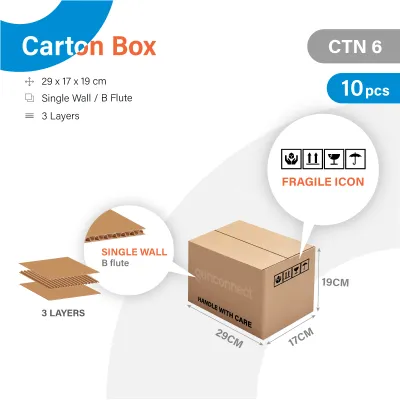
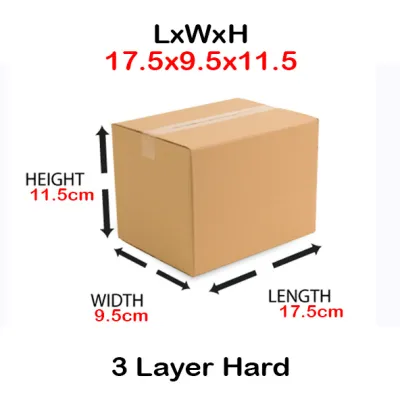
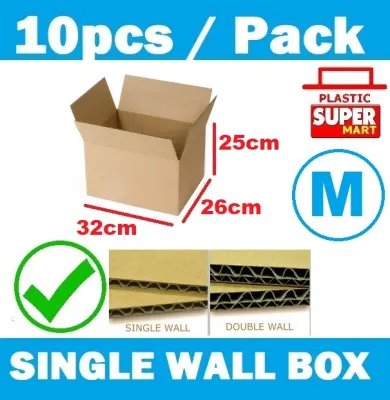
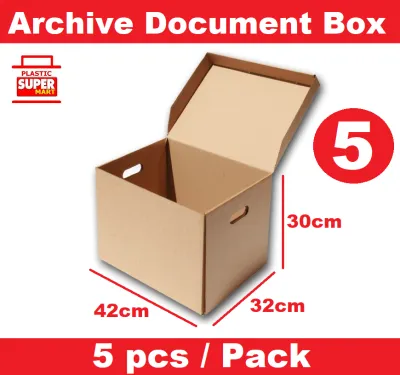
Prices are valid at publication and may change. Please refer to the product page for the latest price.
To ensure you are packing within safe parameters, always check the manufacturer’s specifications printed directly on the box. Most high-quality mover storage boxes feature a circular stamp or a printed label on the bottom flap indicating the gross weight limit and the burst strength (often measured in Edge Crush Test or ECT ratings). Checking these labels allows you to verify whether a box is rated for heavy-duty stacking or if it is intended only for lightweight, bulky items.
Selecting Small Boxes for Heavy Items: Books and Kitchenware
Books are deceptively heavy because paper is incredibly dense. A medium or large box filled entirely with novels, textbooks, or documents will easily exceed safe lifting limits and compromise the box’s structural integrity. For this reason, small mover storage boxes—typically measuring around 30 to 40 centimeters on their longest side—are the industry standard for packing books. This size keeps the total weight manageable, allowing you to carry the box comfortably without risking a seam failure.

Kitchenware, including pots, pans, cast-iron skillets, and ceramic tableware, also requires a strategic approach. While pots and pans are bulky, their weight adds up rapidly, and ceramic plates are highly fragile under pressure. Use small to medium boxes for these items, ensuring that heavier cast-iron pieces are placed at the very bottom. Wrap each ceramic item individually in packing paper or bubble wrap to provide adequate cushioning, and avoid the temptation to overfill the remaining space with more heavy items.
Before sealing any box containing heavy kitchenware or books, always perform a physical lift test. Gently lift the box a few centimeters off the ground to assess its weight and check for any immediate signs of stress. Look closely at the bottom seams and side panels; if you notice any bulging, stretching, or seam separation, immediately open the box and redistribute the contents into smaller containers to prevent a failure during the move.
Choosing Larger Boxes for Bulky Items: Clothes and Linens
Low-density items that take up a lot of space but weigh very little are perfect candidates for larger mover storage boxes. Items such as winter coats, bedding, pillows, towels, and casual clothing can be packed into large or extra-large boxes without exceeding safe lifting weights. Utilizing larger boxes for these voluminous items optimizes your packing footprint, reducing the total number of individual boxes your movers need to transport and stack in the moving vehicle.
For garments that you prefer not to fold, specialized wardrobe boxes offer an excellent solution. These tall, structurally reinforced boxes feature a built-in metal or heavy-duty cardboard hanging rail at the top, allowing you to transfer clothes directly from your closet on their hangers. Wardrobe boxes protect delicate fabrics, suits, and dresses from wrinkling and dust during transit, though they do require more floor space in the moving truck due to their height and rigid structure.
To maximize the capacity of your large boxes, consider compressing soft items before packing them. Techniques such as rolling clothes tightly instead of folding them flat can save significant space. For exceptionally bulky items like winter duvets, pillows, and thick blankets, using vacuum storage bags is a highly effective strategy. Compressing these items down to a fraction of their original volume allows you to fit more into a single large box while keeping the overall weight well within safe handling limits.
Checking Box Material and Structural Integrity Before Packing
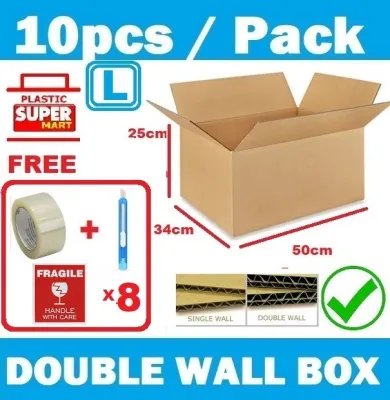
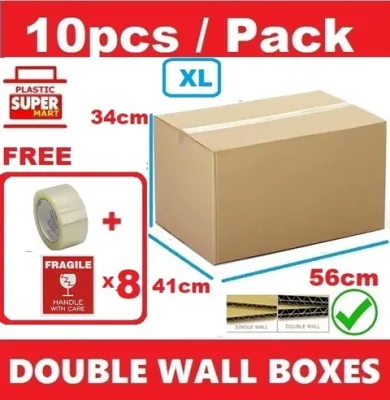
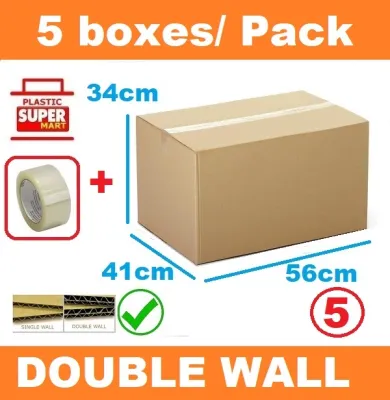
Not all cardboard boxes are created equal, and inspecting their material composition is vital before trust-loading them with your valuable possessions. Mover storage boxes are typically available in single-wall or double-wall corrugated cardboard. Single-wall boxes are lightweight and suitable for light to medium loads, whereas double-wall boxes feature an extra layer of fluting, providing superior puncture resistance and stacking strength. Always match the box’s wall thickness to the fragility and weight of the items you plan to pack inside.
If you are reusing previously owned boxes, a thorough physical inspection is mandatory. Check the cardboard for any signs of pre-existing damage, such as soft spots caused by moisture exposure, torn handles, or compromised corner creases. Cardboard loses a significant percentage of its structural strength once it has been bent, wet, or heavily stacked. If a box feels soft or shows visible creases along its load-bearing edges, relegate it to holding very light, non-fragile items, or discard it entirely.
The way you seal the bottom of your boxes is just as important as the quality of the cardboard itself. Avoid folding the box flaps over one another in an interlocking pattern, as this weakens the center seam and invites bottom blowouts. Instead, use high-quality packing tape to execute the H-tape method. Apply a strip of tape along the center seam where the two main flaps meet, extending it at least 10 centimeters up the sides of the box. Then, apply tape along the two exposed side seams to form an “H” shape, which seals out dust and significantly reinforces the base.
Common Box Sizing and Packing Mistakes to Avoid
One of the most frequent packing errors is overpacking large boxes with heavy items. It can be tempting to fill a large box to the brim to save on the total number of boxes used, but this almost always results in a box that is too heavy to lift safely, or one that ruptures the moment it is picked up. Always reserve large boxes strictly for lightweight, high-volume goods, and keep your heavy items confined to smaller, reinforced cartons.
Another common mistake is leaving large empty voids inside a packed box. When a box has empty spaces, the items inside are free to shift, slide, and collide during transit, which often leads to breakage. Furthermore, when boxes are stacked on top of one another in a moving truck, a box with empty space inside will collapse under the weight of the boxes above it. Always fill any remaining voids with crumpled packing paper, bubble wrap, or clean towels to create a solid, unyielding structure.
Finally, never ignore the manufacturer’s specified weight limits or use degraded boxes for fragile or heavy loads. Attempting to stretch the limits of a worn-out box to save a few dollars on packing supplies often leads to far more expensive damage to your electronics, kitchenware, or personal keepsakes. Investing in fresh, high-quality mover storage boxes for your most valuable and heavy items is a simple step that prevents costly accidents on moving day.
Frequently Asked Questions (FAQ)
Is it safe to reuse grocery or supermarket boxes for moving?
Reusing grocery or supermarket boxes is a common way to save on moving costs, but it comes with distinct risks. These boxes rarely feature standardized weight ratings, and they may have suffered hidden structural damage from previous transport, heavy stacking, or exposure to moisture in storage rooms. Additionally, grocery boxes can carry food residues, pest eggs, or strong odors that you do not want transferring to your clothes or linens. If you choose to reuse them, inspect them thoroughly for cleanliness and structural integrity, and restrict their use to light, non-fragile items like shoes, plastic toys, or garage tools.
How can I test if a packed mover storage box is too heavy?
The most reliable way to test a packed box is to perform a physical lift test. The person who will be responsible for carrying the box should attempt to lift it smoothly from the floor to waist height, keeping their back straight and using their legs. If the lift requires straining, or if you feel any physical discomfort, the box is too heavy and needs to be repacked. Additionally, watch for visual cues as you lift: if the side panels bulge outward, the built-in handles begin to tear, or the bottom seam sags visibly, the box is overloaded and the contents must be redistributed immediately.

Community discussion
Share your experience or ask a question. Comments are reviewed before publication.