
Quick Guide: Matching Envelopes to the Occasion
Selecting the perfect money envelope in Singapore is a vital gesture of respect, cultural awareness, and goodwill. Whether preparing for Chinese New Year, attending a wedding banquet, or celebrating a milestone birthday, the envelope you choose speaks volumes before it is opened. The ideal envelope aligns with the event’s nature, respects traditional color rules, and suits the recipient’s background.
While red remains the classic default for joyous occasions, specific milestones like weddings, birthdays, and baby showers have distinct motif and color preferences. Navigating these choices requires a balance of cultural etiquette and practical stationery considerations. This guide outlines how to make the right selection for every major occasion, ensuring your gift is both beautiful and culturally appropriate.
Cultural Rules: Colors, Motifs, and Taboos
Colors carry deep symbolic weight in multicultural Singapore, making the hue of your money envelope the first detail a recipient notices. Red and gold stand as the universal standards for joy, prosperity, and celebration. Red represents vital energy and good fortune, while gold symbolises wealth and nobility. Together, they form the classic palette for festive gifting, ensuring your well-wishes are immediately understood.
Products mentioned in this guide
![[SG SELLER] Embroidered Chinese Envelope Plush Red Packets CNY 2026 Lucky Horse Birthday New Year Surprise Money Angpao](https://img.lazcdn.com/g/p/cc7289b36793f440816e1a26871e56bc.jpg_400x400q80.jpg_.webp)
Prices are valid at publication and may change. Please refer to the product page for the latest price.

Conversely, certain colors carry somber associations and must be avoided during happy occasions. White, black, and dark blue are traditionally reserved for funerals, bereavement, or condolence gifts (often referred to as “pek kim” in Hokkien). Using these colors for a wedding, birthday, or festive celebration is a major social faux pas, as they are associated with mourning and loss.
However, modern gifting has opened the door to alternative colors, provided they are chosen carefully. Green envelopes, or sampul duit raya, are the standard for Hari Raya celebrations, representing peace and paradise. Purple, pink, and pastel shades have also gained popularity for contemporary events, baby showers, or modern weddings, offering a soft, elegant aesthetic while remaining distinct from mourning colors.
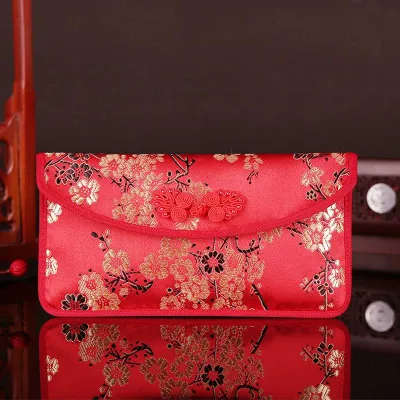
Beyond color, the motifs printed on the paper convey specific messages. Auspicious symbols like peonies represent wealth and honor, while koi fish symbolise perseverance and abundance. Conversely, you should avoid motifs that carry negative connotations. Images of clocks, the number four (which sounds like the word for death in several Chinese dialects), or patterns depicting broken lines or parting should be strictly avoided to prevent sending unintended messages of misfortune or separation.
Chinese New Year (Ang Pow): Festive Reds and Zodiac Motifs
During Chinese New Year, the exchange of red packets, or ang pows, is a cherished tradition that symbolises the passing of blessings from elders to the younger generation. Traditional red and gold combinations dominate this festive season, reflecting the vibrant energy of the Lunar New Year. The visual impact of a bright red envelope adorned with shimmering gold foil is central to the festive atmosphere.
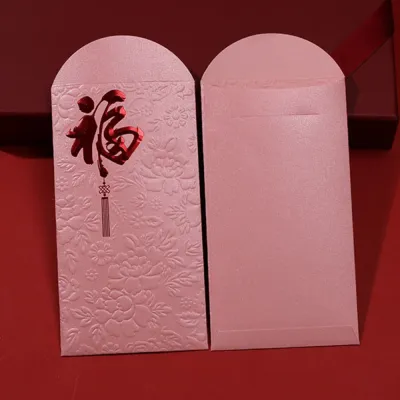
Zodiac animal motifs are highly popular, with designs featuring the specific animal of the lunar year. While these themed envelopes add a timely and personalized touch, they do come with a practical limitation: any unused envelopes cannot be easily reused until the twelve-year zodiac cycle comes around again. To avoid waste, consider transitioning to generic auspicious designs. Envelopes featuring the character “Fu” (福), which means fortune or blessing, or elegant floral patterns like cherry blossoms and bamboo, remain timeless and can be used year after year.
When choosing envelopes, matching the auspicious greetings printed on them to the recipient adds a thoughtful layer of personalization:
- Gong Xi Fa Cai (Wishing you prosperity): Highly versatile, suitable for general recipients, colleagues, and business partners.
- Wan Shi Ru Yi (May everything go as you wish): An excellent choice for elders or anyone embarking on a new life chapter.
- Shen Ti Jian Kang (Good health): Best reserved for grandparents and elderly relatives, showing your care for their well-being.
- Xue Ye Jin Bu (Academic progress): Perfect for children and students who are still pursuing their education.
Modern stationery trends have also influenced Lunar New Year envelopes. Many contemporary designs embrace minimalist aesthetics, featuring clean lines, matte textured paper, blind embossing, and subtle gold foil accents. Eco-friendly materials, such as recycled paper or FSC-certified cardstock, are increasingly favored by those who wish to maintain festive traditions while minimizing their environmental footprint.
Weddings (Hong Bao): Double Happiness and Auspicious Symbols
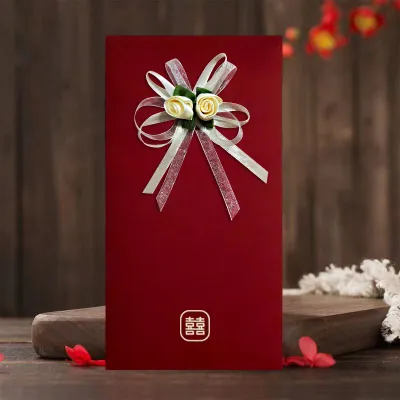
A wedding banquet is a formal and highly significant milestone, and the money envelope—commonly referred to as a hong bao—should reflect the gravity and joy of the occasion. The most recognized and essential motif for wedding envelopes is the “Double Happiness” (囍) character. This ancient symbol represents the union of two families and the shared joy of the newlyweds, making it the definitive choice for marriage celebrations.
In addition to the Double Happiness character, several secondary motifs are highly appropriate for weddings:
- Dragons and Phoenixes: These mythical creatures represent the ultimate yin-yang balance, symbolising a harmonious, prosperous, and enduring marriage.
- Mandarin Ducks: Known to mate for life, these birds are classic symbols of lifelong fidelity, love, and devotion.
- Peonies and Lotus: These flowers represent wealth, purity, and a beautiful, blossoming relationship.
It is also helpful to differentiate between the envelopes given to the couple and those distributed by the couple. Guests presenting their wedding gifts should opt for premium, highly decorated envelopes with elegant gold foil or deep embossing to honor the hosts. Conversely, the couple will need a large quantity of envelopes to distribute to bridesmaids, groomsmen, gatecrash helpers, and vendors. These “helper” envelopes can be slightly simpler, featuring clean, festive red designs with subtle gold accents, keeping them practical yet respectful.
While a plain red envelope is acceptable in an emergency, using a patterned red envelope with wedding-specific gold or embossed details is strongly preferred. A dedicated wedding envelope distinguishes your gift from a standard Chinese New Year ang pow, showing the couple that you selected their envelope with deliberate care and respect for their special day.
Birthdays and Milestones: Tailoring Designs to the Recipient
Gifting money for birthdays and life milestones requires a tailored approach that respects the recipient’s age and the specific nature of the celebration. For elderly birthdays, particularly milestone celebrations like a 70th or 80th birthday (often called Shou Chen), the envelope should focus on themes of longevity and respect. Look for red envelopes featuring the Chinese character for longevity, “Shou” (寿), or illustrations of longevity peaches (shou tao), pine trees, and cranes, which are traditional symbols of a long, healthy, and resilient life.
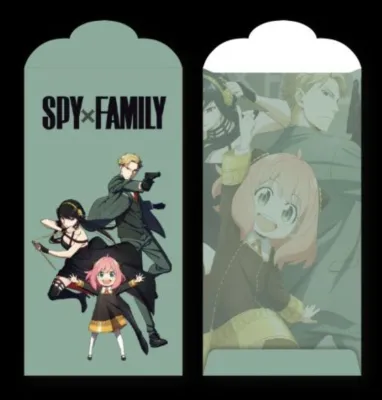
For children’s birthdays, the strict rules of traditional red can be relaxed. Children appreciate bright, cheerful colors and playful designs. Envelopes in vibrant shades of yellow, orange, or sky blue, adorned with cartoon characters, whimsical animals, or playful illustrations, are highly engaging. These designs make the gift feel exciting and age-appropriate, moving away from the formal tone of adult gifting.
Full moon and 100-day celebrations for newborn babies call for a softer, gentler aesthetic. Instead of deep reds, opt for pastel colors such as baby pink, light blue, mint green, or soft lavender. Appropriate motifs include storks, baby carriages, cute baby animals, or delicate gold foil footprints. These gentle designs celebrate the new arrival with a sense of warmth and tenderness.
Housewarmings and graduation ceremonies are milestones centered on new beginnings and future success. For these occasions, select envelopes featuring symbols of growth, progress, and prosperity. Motifs like bamboo (representing upward growth and resilience), sails (symbolising smooth sailing, or Yi Fan Feng Shun), or modern geometric patterns in gold and cream are excellent choices that convey professional and personal encouragement.
Practical Checks: Sizing for SGD Notes and Paper Quality
Beyond cultural symbolism, physical attributes dictate a money envelope’s quality. First, check the banknote fit. Singapore Dollar (SGD) polymer notes vary by denomination; a S$50 note measures 15.6 cm by 7.4 cm. To present your gift elegantly, choose a long money envelope (typically 16.5 cm by 8.5 cm) so the banknote lies flat. Folding notes is often considered untidy, especially for formal events like weddings.
Paper weight, measured in GSM (grams per square meter), affects how the envelope feels. Standard envelopes often use thin paper (around 80 GSM) that feels flimsy and reveals the note denominations inside. For a premium feel, choose envelopes made from paper weighing between 120 GSM and 150 GSM. Textured papers like linen, felt, or matte cardstock add a tactile dimension that elevates your gift.
The type of closure is another important consideration for security and convenience:
- Tuck-in flaps: These feature a pre-cut slit where the flap is inserted. They are highly convenient, allow the recipient to open the envelope without tearing the paper, and make the envelope reusable.
- Sticker seals: These provide a secure closure but often damage the paper when opened, rendering the envelope single-use.
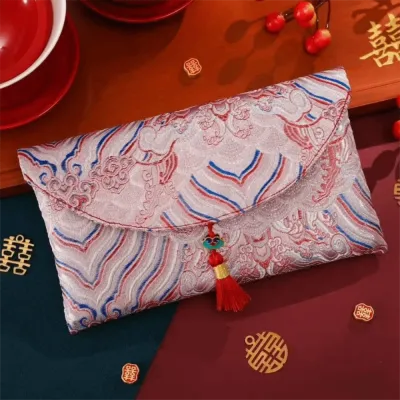
- Ribbon ties or string closures: These are premium options often found on luxury or handmade envelopes, adding a sophisticated touch that is perfect for weddings or major milestones.
When writing names or blessings, the paper’s finish dictates the best writing medium. Glossy or metallic-coated papers resist standard water-based gel pens, leading to smudging. For these surfaces, a quick-drying permanent marker or metallic paint pen is ideal. For matte or textured papers, a brush pen or gel pen works beautifully. Always perform an observable trial on a spare envelope or the inside flap to verify ink compatibility, drying speed, and bleed resistance.
High-quality money envelopes can be sourced from local stationery stores, specialty print shops, or online marketplaces. Purchasing in bulk is often highly cost-effective, especially when preparing for major festive seasons like Chinese New Year.
Frequently Asked Questions (FAQ)
Can I reuse money envelopes I received from others?
Reusing money envelopes is a practical way to reduce waste, but it must be done with careful attention to etiquette. Before deciding to reuse an envelope, inspect it thoroughly under good lighting. It must be in pristine condition, completely free of creases, tears, adhesive residue, or bent corners. Crucially, ensure there are no written names, dates, or personal blessings from the previous sender. While reusing clean, unmarked envelopes is generally acceptable for casual occasions or gifting among close friends, it is highly discouraged for formal events like weddings or milestone birthdays, where a brand-new, high-quality envelope is expected as a sign of respect.
Is it acceptable to use digital money envelopes instead of physical ones?
The rise of digital banking has made e-hongbaos and digital money transfers increasingly popular in Singapore, offering a convenient and eco-friendly alternative to physical cash. Digital envelopes are highly appropriate for casual peer-to-peer gifting, sending long-distance blessings to relatives living abroad, or last-minute gifts. However, physical money envelopes remain strongly preferred and expected for formal occasions. At weddings, elderly birthdays, and traditional family gatherings, the physical act of presenting a beautifully crafted envelope is a core part of the ritual, conveying tangibility, respect, and personal connection that a digital transaction cannot fully replicate.

Community discussion
Share your experience or ask a question. Comments are reviewed before publication.