
Choosing your first acrylic paint set is an exciting milestone, but the sheer variety of options can quickly feel overwhelming. Marie’s is a classic, highly accessible brand that has introduced generations of students and hobbyists to the world of painting. Known for offering reliable, student-grade quality at a budget-friendly price point, Marie’s acrylic paint starter sets are widely available and highly practical. However, selecting the right set requires a clear understanding of your creative goals, your workspace, and the specific tools you need to begin.
To make the best choice, you must balance the number of colors in the set with the volume of paint in each tube. For most beginners, a medium-sized set containing 12 to 24 colors is the ideal starting point. This range provides a solid foundation of primary and secondary colors, allowing you to learn the fundamentals of color mixing without the frustration of a limited palette or the confusion of an excessively large one. By focusing on how you plan to use the paint, where you will store it, and how to verify its quality, you can confidently select a starter set that sets you up for creative success.
Defining Your Painting Goals and Budget
Before browsing the colorful aisles of an art supply store or scrolling through online marketplaces, it is essential to define what you want to achieve with your new paints. Acrylic paint is incredibly versatile, adhering to canvas, paper, wood, fabric, and even clay. However, different projects demand different quantities of paint. If your primary goal is casual sketching, art journaling, or painting small illustrations in a sketchbook, you will consume relatively little paint. In this case, a set with smaller 12ml tubes will last for dozens of sessions. Conversely, if you plan to paint on stretched canvases, experiment with thick textured strokes, or complete large-scale crafts, you will quickly run out of paint with small tubes. For these larger projects, look for sets featuring 21ml tubes or consider purchasing individual larger tubes of high-use colors like white and black alongside your starter kit.
Products mentioned in this guide
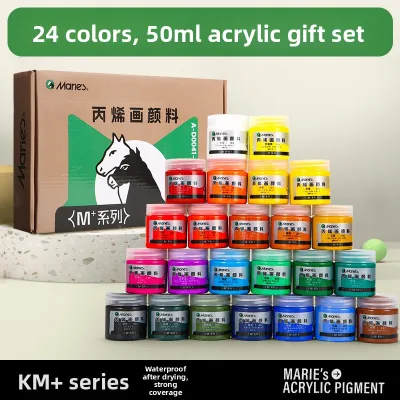
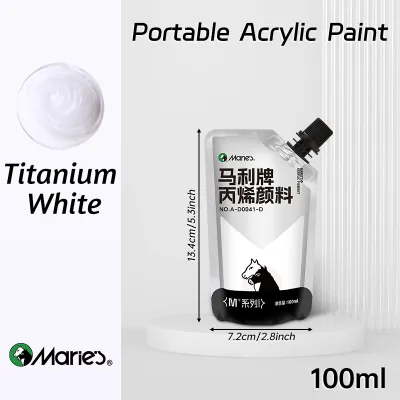
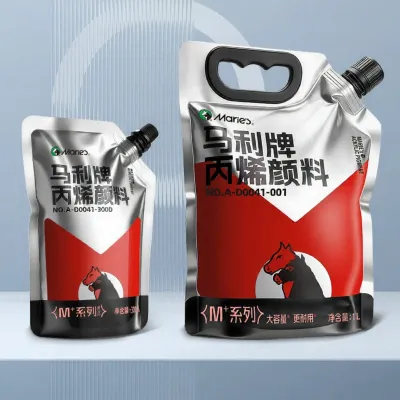
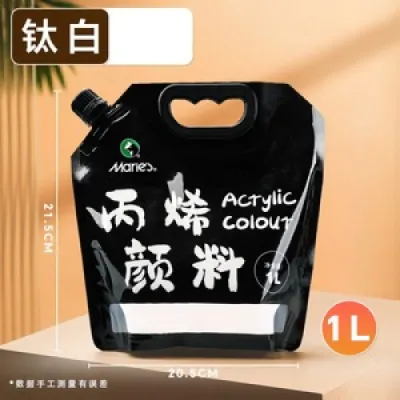
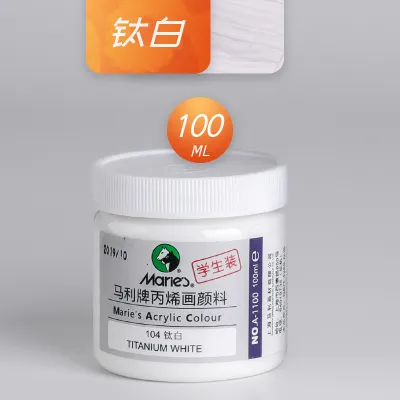
Prices are valid at publication and may change. Please refer to the product page for the latest price.
Setting a realistic budget is the next step in narrowing down your options. In Singapore, Marie’s acrylic paint sets are highly regarded for their affordability, typically ranging from under S$10 for basic color-only sets to around S$30 or more for comprehensive bundles that include brushes, palettes, and surfaces. While it can be tempting to buy the cheapest set available, it is important to consider the overall value. A slightly higher investment often secures larger tube volumes or better-quality accessories, saving you money in the long run. Decide beforehand whether you want a paint-only set—which allows you to select your own high-quality brushes and surfaces—or an all-in-one starter kit that provides everything you need to paint immediately.
Your physical painting environment also plays a significant role in your decision. Living in compact urban spaces, such as typical Singapore apartments, means you must be mindful of storage and cleanup. Acrylic paint dries quickly, but it also requires a dedicated space where it can be stored safely. High humidity and warm temperatures can affect the shelf life of opened paint tubes, making airtight storage highly beneficial. Consider the packaging of the starter set. A compact, sturdy plastic or cardboard box that can be easily tucked away in a drawer or closet is often much more practical than a large, elaborate wooden carrying case. If you need to pack your supplies away after every session, a portable and easily organized set will make your painting routine much more enjoyable and less of a chore.
Choosing the Right Color Count for Your Starter Set
The number of colors in a starter set is one of the most critical decisions you will make. It directly impacts how you learn to paint and how much control you have over your artwork. While it might seem logical that more colors are always better, each set size has distinct advantages and trade-offs that you must weigh carefully.

Small sets, typically containing 6 to 12 colors, are the ultimate tools for learning color theory. These sets usually feature the essential primary colors (red, yellow, and blue), along with black, white, and a couple of basic earth tones like burnt sienna. By working with a limited palette, you are forced to mix your own secondary and tertiary colors. This hands-on practice is invaluable for a beginner. It teaches you how to warm up or cool down a color, how to create subtle neutrals, and how to avoid the muddy mixtures that often plague early paintings. Small sets are also highly portable, take up minimal desk space, and represent the lowest financial risk if you are still deciding whether acrylic painting is the right hobby for you.
Medium sets, ranging from 18 to 24 colors, offer an excellent balance between educational value and convenience. In addition to the essential primaries, these sets include popular pre-mixed colors such as sap green, cobalt blue, lemon yellow, and vermilion. While you should still practice mixing your own shades, having these intermediate colors readily available reduces what artists call “mixing fatigue.” When you are working on a complex painting, constantly trying to recreate the exact same shade of green for a forest scene can become frustrating. A medium set allows you to squeeze out a base color and make quick adjustments, keeping your creative momentum flowing. This size is widely considered the sweet spot for most adult beginners and hobbyists.
Large sets, which contain 36 or more colors, can be incredibly tempting with their rows of vibrant, pre-mixed hues. However, they are often counterproductive for beginners. Having access to every imaginable shade can lead to decision paralysis, making it harder to start a painting. Furthermore, relying entirely on pre-mixed colors prevents you from developing essential color-mixing skills, which can make your artwork look flat and uncohesive. There is also a practical downside: because you will naturally use certain colors much faster than others, many of the highly specific shades in a large set may sit unused for months. Over time, especially in warm climates, these neglected tubes can dry out or separate, resulting in wasted paint and money. It is almost always better to start with a medium set and purchase individual tubes of specialty colors, like metallics or pastels, as you need them.
Assessing Included Accessories and Extras
Many Marie’s starter sets are sold as bundles that include various painting accessories. While these all-in-one kits are incredibly convenient, the quality of the included extras can vary significantly. Evaluating these tools before you buy ensures you do not end up with frustrating equipment that hinders your progress.
The quality of the included brushes is paramount. Acrylic paint is a heavy, viscous medium that requires sturdy brushes to move it across the canvas. Look for kits that include synthetic bristle brushes, usually made of nylon or polyester. Synthetic fibers are highly durable, retain their springiness when wet, and are much easier to clean than natural hair brushes, which can become soft and floppy when saturated with acrylic paint. Inspect the construction of the brushes if possible. The metal band that connects the bristles to the handle, known as the ferrule, should be securely crimped and show no signs of wobbling. Poorly constructed brushes will shed bristles into your wet paint, which can be incredibly frustrating to pick out and can ruin the smooth finish of your artwork. A good starter set should include a few basic shapes, such as a flat brush for broad strokes and a round brush for detail work.
Palettes and mixing tools are another critical component of any starter kit. Because acrylic paint dries into a water-resistant plastic film, cleaning your palette can be a challenge. Basic plastic palettes with small wells are common in starter kits, but they can be difficult to clean once the paint has dried. Look for flat, smooth plastic palettes or tear-off paper palettes, which allow you to simply discard the used sheet when you are finished. If the kit includes a wooden palette, keep in mind that it may require seasoning with oil to prevent it from absorbing the moisture from your paints. Additionally, a plastic or metal palette knife is an incredibly useful tool. Using a knife to mix your colors on the palette preserves your brush bristles and prevents paint from getting wasted by getting trapped deep in the heel of your brush.
Finally, consider the painting surfaces included in the bundle. Some kits come with small canvas panels, stretched canvases, or sheets of specialized acrylic paper. It is crucial to verify that these surfaces are pre-primed with gesso. Gesso is a primer that seals the fibers of the canvas or paper, preventing them from absorbing the moisture and binder from the paint. If you paint on an unprimed surface, the paint will sink in rapidly, appearing dull, chalky, and difficult to blend. For beginners, small canvas boards (around A5 or A4 size) are highly recommended. They are sturdy, do not warp under wet paint, and are much easier to store and handle than large, bulky stretched canvases.
Navigating Purchases and Verifying Authenticity
Once you have decided on the perfect Marie’s starter set, the next step is finding a reputable seller to ensure you receive a genuine, high-quality product. Because Marie’s is a highly popular and widely distributed brand, counterfeit products and poorly stored inventory can occasionally be found on the market.
When deciding where to buy, you have the choice between local art supply stores and major online e-commerce platforms. Visiting a physical art shop in Singapore offers several advantages. You can physically inspect the packaging, feel the weight of the tubes, and ask the staff for advice. It also eliminates the risk of shipping damage. On the other hand, online marketplaces often offer a wider selection and highly competitive pricing in S$. If you choose to buy online, pay close attention to the seller’s reputation and shipping methods. Acrylic paint is sensitive to extreme temperatures. If a package is left in a hot delivery truck or stored in an unventilated warehouse for extended periods, the paint emulsion can separate. This results in a watery binder separating from the pigment, making the paint difficult to use.
When your starter set arrives, perform a thorough inspection before you begin painting. Start by checking the outer packaging seals to ensure the box has not been opened or tampered with. Open the box and examine each tube individually. Squeeze the tubes gently; they should feel firm but pliable, indicating that the paint inside is still wet and smooth. If a tube feels completely rigid or rock-hard, the paint has cured inside the tube and is unusable. Look for batch codes or manufacturing dates, which are typically stamped on the crimped end of the tubes or on the back of the box. While acrylic paints have a long shelf life if unopened, avoiding excessively old stock ensures you get the best possible performance from your paints.
Additionally, always verify the seller’s return and exchange policies before making your purchase. Even with reputable brands, manufacturing defects like micro-tears in the tubes or improperly sealed caps can occasionally occur, causing the paint to dry out prematurely. A reliable seller should offer a clear, hassle-free return or replacement policy for damaged or defective art supplies. Avoid purchasing from sellers with poor ratings or those who do not offer buyer protection, even if their prices seem exceptionally low. Investing a few extra dollars with a trusted seller provides peace of mind and ensures your artistic journey starts on the right foot.
Pre-Purchase Checklist for Beginners
To ensure you select the absolute best Marie’s acrylic paint starter set for your needs, review this quick checklist before finalizing your purchase:
- Budget and Set Size: Does the set fit comfortably within your budget (typically S$10 to S$30) and offer the right color count (12 to 24 colors recommended for beginners)?
- Tube Volume: Are the tubes at least 12ml to 21ml in size to ensure you have enough paint to complete multiple projects without running out of key colors?
- Essential Accessories: If you are buying a bundle, does it include durable synthetic brushes (nylon or polyester) and a practical, easy-to-clean mixing palette?
- Surface Compatibility: Do you have pre-primed canvas boards or heavy-duty acrylic paper ready to paint on, or does the kit include them?
- Seller Credibility: Have you verified the seller's ratings, shipping safety, and return policy in case any tubes arrive dried-out or damaged?
- Freshness Check: Are you prepared to inspect the batch codes and tube seals immediately upon delivery to ensure the paint is fresh and usable?
Frequently Asked Questions (FAQ)
Do I need to buy extra mediums or thinners with a starter set?
As a beginner, you do not need to purchase expensive mediums or thinners right away. One of the greatest advantages of acrylic paint is that it is water-soluble, meaning you can use clean tap water to thin the paint, blend colors, and clean your brushes. However, it is important to use water sparingly. Adding too much water (typically more than 30%) can break down the acrylic binder, causing the paint to lose its adhesive properties and dry unevenly or flake off the canvas. If you want to achieve highly transparent glazes, extend your drying time, or create a high-gloss finish, you can eventually invest in a basic acrylic gloss or matte medium, but water is perfectly sufficient for your first few paintings.
How can I prevent my acrylic paints from drying out in the tubes?
Preventing your acrylic paints from drying out starts with good studio habits. Always wipe the threads of the tube nozzle with a damp cloth or paper towel before screwing the cap back on. Dried paint on the threads prevents the cap from sealing completely, allowing air to enter the tube and slowly cure the remaining paint. Always screw the caps on tightly immediately after squeezing out the paint you need. Store your paint tubes in a cool, dry place away from direct sunlight and extreme temperature fluctuations. If you live in a warm, humid climate, keeping your paint tubes in a sealed plastic container can help maintain their moisture balance and significantly extend their shelf life.

Community discussion
Share your experience or ask a question. Comments are reviewed before publication.