
Selecting the right magnetic clasp for bag making in Singapore involves balancing functionality, aesthetics, and environmental resilience. In Singapore’s tropical, high-humidity climate, choosing hardware that resists corrosion while maintaining a secure closure is essential for creating professional-grade, long-lasting bags. Whether you are crafting a delicate clutch, a heavy-duty canvas tote, or a structured leather handbag, the magnetic clasp you select dictates how the bag behaves in daily use.
Understanding how different clasps interact with various fabric weights, stabilizers, and construction methods will elevate your bag-making projects. By matching the correct clasp mechanism to your design, you ensure that your handmade creations are not only beautiful but also durable enough to withstand the rigors of daily wear.
Understanding Magnetic Clasp Types and Mechanisms
Sew-in magnetic clasps are typically encased in a small, square plastic or vinyl sleeve. This protective sleeve allows you to sew directly around the magnet, securing it to the lining or outer fabric without piercing the material with metal prongs. This results in a completely hidden closure, preserving the clean lines of minimalist designs. They are highly valued for lightweight fabrics and waterproof linings where metal punctures could compromise the material’s integrity.
Products mentioned in this guide
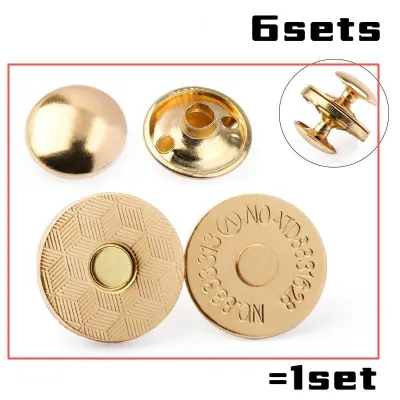
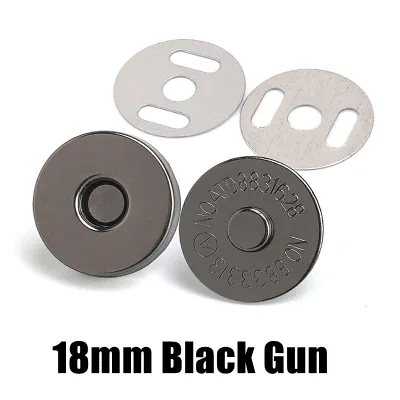
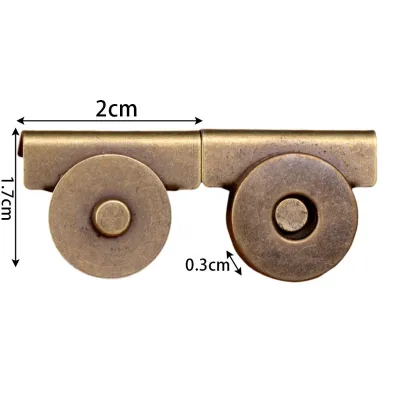
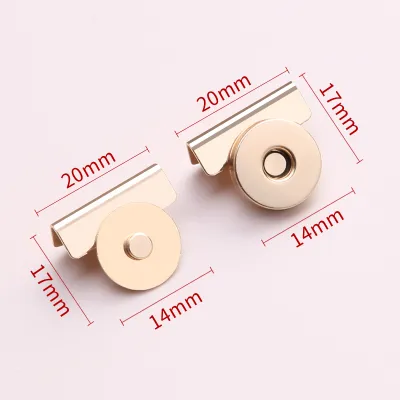
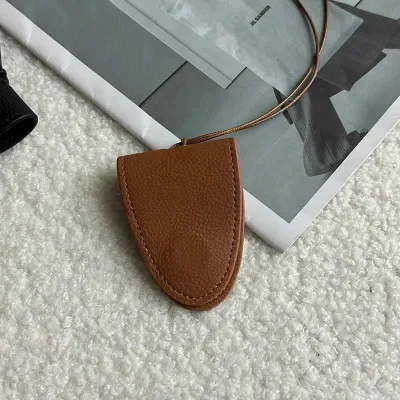
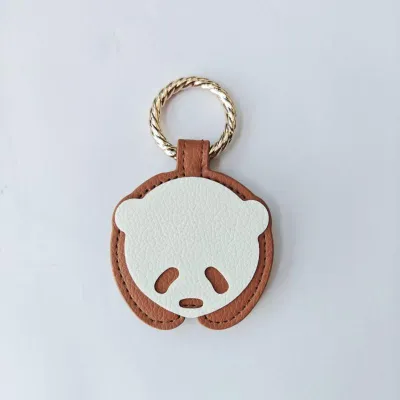
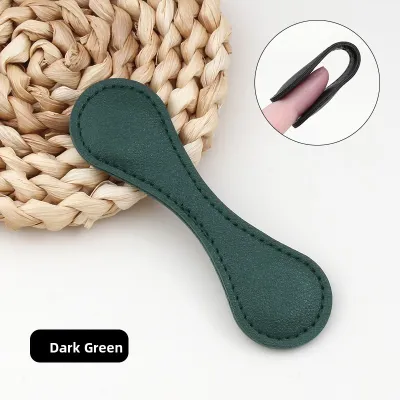
Prices are valid at publication and may change. Please refer to the product page for the latest price.
Pronged magnetic snaps are the most common variety, consisting of a male and female part, each with two metal prongs on the back. These prongs pass through slits in the fabric and are bent over a metal backing washer. They offer a classic, visible hardware look and are incredibly secure when installed correctly. They are available in various diameters, typically ranging from 14mm to 18mm, and are suitable for medium to heavyweight bags.
Twist-lock and decorative magnetic clasps combine the visual appeal of a traditional twist-lock or latch with the convenience of a magnetic snap. The clasp looks like a mechanical lock but snaps shut magnetically once the pieces are brought close together. These are excellent for statement bags where the hardware serves as a central design element, offering both security and ease of access.
Hidden or embedded rare-earth magnets are small, incredibly strong neodymium magnets that are glued or pocketed directly between the outer fabric and the lining. They offer a seamless look with a satisfying, high-force snap. However, because they lack protective casings or prongs, they require precise alignment during construction and robust fabric reinforcement to prevent the magnets from shifting or wearing through the material over time.
Key Selection Criteria for Bag Making Projects
Magnetic strength is not universal, and selecting the wrong pull force can ruin the functionality of your bag. Standard ferrite magnets offer a gentle hold, suitable for small pouches or lightweight flaps. Neodymium (rare-earth) magnets provide a much stronger pull, which is necessary when the magnetic field must penetrate multiple layers of thick fabric, interfacing, and lining. When selecting a clasp, consider the thickness of your materials; a magnet that feels incredibly strong on its own may barely hold once sandwiched between layers of heavy canvas or leather.

Singapore’s humid weather accelerates the oxidation of low-quality metals, making material composition a critical factor. Standard steel clasps with thin, cheap plating will quickly rust, leaving unsightly orange stains on your fabric. Opt for clasps made from solid brass, stainless steel, or high-quality zinc alloy. Ensure the hardware has undergone a reliable electroplating process to apply finishes like antique brass, gunmetal, nickel, or rose gold. A protective clear lacquer coat over the plating adds an extra layer of defense against moisture and finger oils.
The prongs must be long enough to clear the combined thickness of your outer fabric, stabilizer, interfacing, and lining, with enough length left over to fold down flat against the backing washer. If the prongs are too short, they will not fold securely, causing the clasp to wobble and eventually pull free. The backing plate should be wide and sturdy to distribute the physical stress of opening and closing the bag across a larger surface area, preventing the fabric fibers from tearing.
Matching Clasps to Bag Styles and Materials
Canvas, denim, and leather require robust hardware that can match their weight and durability. For these materials, 18mm pronged magnetic snaps or heavy-duty sew-in magnets are ideal. Because these fabrics are thick and stiff, they can support the weight of larger metal clasps without sagging. When working with leather, always place a small scrap of leather or heavy stabilizer between the metal backing plate and the lining to prevent the metal from wearing a hole through the material.
Cotton, linen, and silk require a delicate touch to avoid fabric damage. Heavy metal clasps will drag lightweight fabrics down, causing unsightly puckering and eventual tearing. For these projects, opt for 14mm thin magnetic snaps or sew-in PVC-encased magnets. The plastic sleeve of a sew-in magnet distributes the weight more evenly than sharp metal prongs. Regardless of the clasp chosen, the installation area must be heavily reinforced with fusible woven interfacing or a firm stabilizer to give the fabric the structural integrity needed to withstand the constant pulling force.
The overall structure of the bag influences how the clasp aligns during daily use. Structured bags, which utilize foam stabilizers or firm interlinings, maintain their shape, allowing the male and female parts of the magnetic clasp to align perfectly every time the flap is closed. Slouchy bags, such as relaxed hobo bags or soft totes, shift and fold during use. For slouchy designs, a self-aligning magnetic clasp with a wider magnetic field or a recessed design is preferable, as it helps the closure find its mate even when the bag is distorted or heavily loaded.
Where to Source Magnetic Clasps in Singapore
Shopping in person at established craft districts in Singapore, such as the haberdashery shops in Chinatown or Arab Street, offers distinct advantages. You can physically test the strength of the magnets, inspect the quality of the electroplated finish under natural light, and verify that the prongs are straight and sharp. This hands-on evaluation is invaluable for matching the hardware’s color and weight to your specific fabric choices.
When sourcing online, look for specialized bag-making suppliers rather than generic hardware listings on broad online marketplaces. Carefully read the product descriptions for specifications regarding material composition, dimensions, and prong length. Examine customer reviews for feedback on whether the plating tarnishes quickly in humid conditions or if the magnets lose their strength over time. Avoid listings that do not specify the base metal or plating process.
If you are a hobbyist making an occasional bag, purchasing individual, high-quality clasps is the safest route. However, if you run a small handmade business, buying in bulk is highly economical. When storing bulk magnetic hardware in Singapore, keep them in airtight containers with silica gel packets to protect them from atmospheric moisture. Keep the magnets separated or stored in pairs to prevent them from clashing together, which can chip the plated finish or weaken their magnetic fields over time.
Installation Tips and Maintenance for Longevity
The golden rule of installing magnetic clasps is to never attach them to fabric alone. Always apply a square of firm stabilizer, such as Peltex, Decovil, or heavy fusible fleece, to the wrong side of the fabric where the clasp will sit. This stabilizer should be slightly larger than the backing washer. The stabilizer absorbs the physical stress of the magnetic pull, preventing the fabric from stretching, puckering, or tearing over time.
To install a pronged clasp, mark the prong placement using the backing washer as a template. Carefully make two small slits in the fabric and stabilizer using a seam ripper or sharp embroidery scissors. Insert the prongs through the slits, slide the backing washer over the prongs, and bend them flat. For the most secure hold and a flatter profile, bend the prongs outward rather than inward. To protect the metal finish from scratches while bending, cover the jaws of your pliers with masking tape or use nylon-jaw pliers.
To keep your magnetic clasps functioning smoothly, periodically wipe the magnetic surfaces with a dry, soft microfiber cloth to remove any accumulated dust, lint, or microscopic metal particles that can interfere with the magnetic connection. Avoid exposing the hardware to harsh chemical cleaners, perfumes, or prolonged moisture. If the bag becomes wet, dry the hardware immediately with a soft towel to prevent water spots and potential corrosion.
Frequently Asked Questions (FAQ)
Can I use magnetic clasps on bags without interfacing?
It is highly discouraged to install magnetic clasps without interfacing or stabilizers. The constant pulling force required to separate the magnets will quickly stretch, distort, and eventually tear unreinforced fabric, especially lightweight cottons or linens. The only exception is when working with exceptionally thick, stable, and fibrous materials like heavy vegetable-tanned leather, where the material itself possesses enough structural integrity to resist tearing. Even in those cases, adding a small reinforcement scrap of leather behind the washer is standard practice to prevent the metal from wearing down the fibers over time.
How do I test if a magnetic clasp is strong enough for my bag?
To test a clasp’s strength before committing to installation, create a mock-up using scraps of your project’s actual materials. Sandwich the male and female parts of the clasp between the layers of fabric, interfacing, and lining exactly as they will be configured in the finished bag. Hold the layers together and test the opening and closing action. The clasp should hold securely when the bag is gently shaken but should release smoothly without requiring so much force that it distorts or strains the fabric. If the connection feels weak, you may need a larger magnet or a thinner stabilizer layer; if it is too strong, consider adding an extra layer of fabric or switching to a lighter magnet to prevent fabric strain.
Will magnetic clasps interfere with smartphones or cards inside the bag?
Standard magnetic clasps used in bag making generally do not pose a threat to modern smartphones, tablets, or solid-state storage devices, as these electronics do not rely on magnetic media. However, they can interfere with items that utilize magnetic stripes, such as older credit cards, hotel key cards, and transit passes, potentially demagnetizing them if they come into direct, prolonged contact. Traditional mechanical watches and certain medical devices can also be sensitive to magnetic fields. To minimize any risk, design your bag’s interior pockets so that card slots and phone compartments are positioned away from the clasp area, ensuring a safe physical distance when the bag is closed.

Community discussion
Share your experience or ask a question. Comments are reviewed before publication.