
Selecting the correct magnetic button fastener requires balancing the physical weight of your fabric, the intended use of the finished item, and the installation method you are comfortable executing. A fastener that is too heavy or strong can tear delicate silks or lightweight cottons, while one that is too weak will fail to keep a heavy canvas tote or structured leather bag closed. By matching the physical dimensions, magnetic pull force, and attachment style of the fastener to your specific textile, you ensure a durable, functional closure that preserves the drape and integrity of your handmade creation.
Understanding Magnetic Button Fastener Types
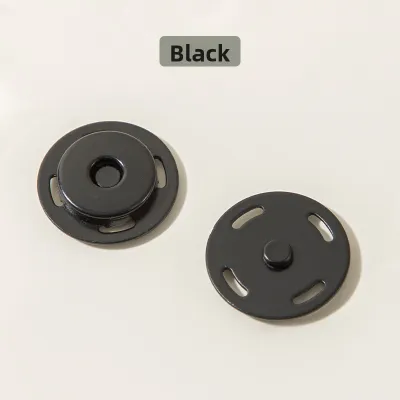
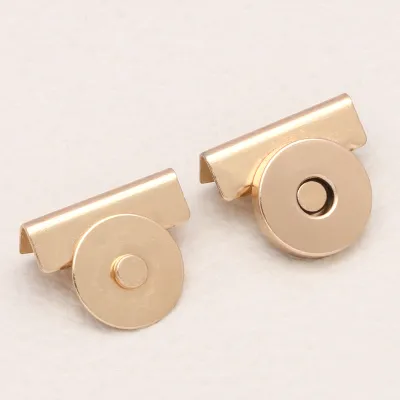
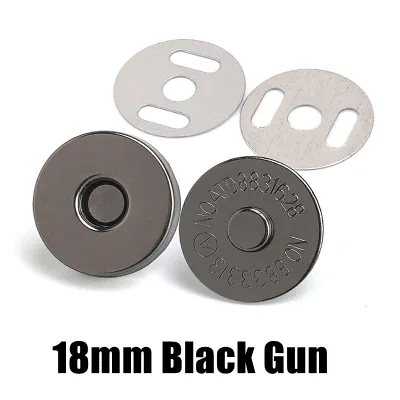
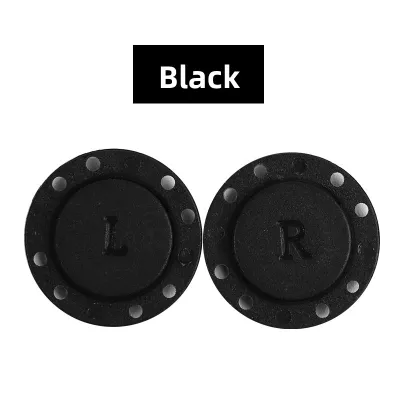
Magnetic fasteners are engineered in several distinct structural designs to accommodate different aesthetic preferences, fabric thicknesses, and assembly techniques. The three primary categories you will encounter when browsing craft shops or online marketplaces are sew-in magnets, pronged snap-on magnets, and glue-in or adhesive-backed variants. Each type offers unique advantages and limitations regarding visibility, installation complexity, and long-term durability.
Sew-in magnetic fasteners are designed to remain completely hidden within the layers of your project. These typically consist of a small magnet encased in a soft, square or circular plastic sleeve or a thin metal casing with pre-drilled sewing holes along the perimeter. Because the plastic sleeve can be stitched directly to the interfacing or lining fabric, the magnet remains invisible from the exterior of the finished item. This makes sew-in types highly suitable for garments, delicate blouses, and clean-lined clutches where visible hardware would disrupt the design. The plastic casing also provides a protective barrier, shielding the magnet from moisture during laundering.
Products mentioned in this guide
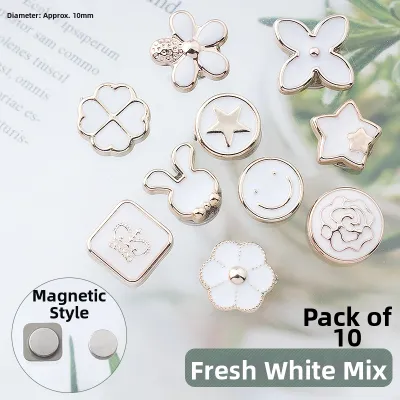
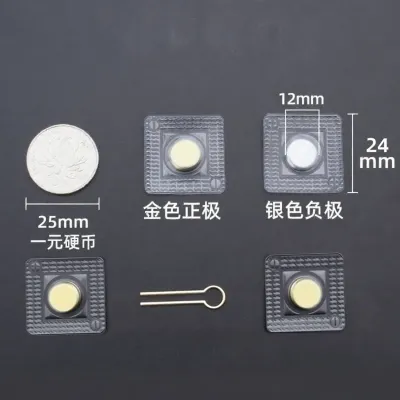
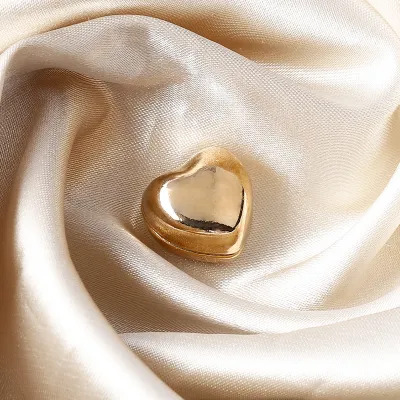
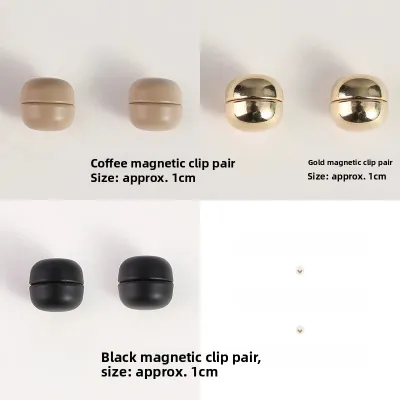
Prices are valid at publication and may change. Please refer to the product page for the latest price.
Pronged snap-on fasteners, often referred to as traditional magnetic snaps, are visible, decorative, and exceptionally secure. These fasteners consist of two main parts: a male side and a female side, each equipped with flat metal prongs extending from the back, along with matching metal backing washers. To install them, you insert the prongs through small slits cut into the fabric and fold them flat over the backing washer. The metal face of the snap remains visible on the surface of the fabric when the item is open, adding a professional, manufactured look to bags, backpacks, and heavy outerwear. These are highly durable but require robust fabric reinforcement to prevent the metal prongs from tearing through the textile over time.
Glue-in or adhesive-backed magnetic fasteners are less common in traditional garment sewing but are widely used in leathercraft, box-making, and structured accessory design. These magnets are often flat discs without prongs or sewing channels, designed to be inserted into pre-recessed pockets or glued directly onto rigid surfaces like thick vegetable-tanned leather or heavy bookboard. While they offer a clean, hardware-free exterior, their durability relies entirely on the quality of the adhesive used and the precision of the pocket construction. They are generally not suitable for items that require frequent washing or experience high shear stress during daily use.
Matching Fastener Strength and Size to Your Fabric
The relationship between the weight of your fabric and the magnetic pull force of your fastener is the most critical factor in achieving a successful closure. Magnetic pull force is determined by the magnet’s material composition and its physical volume. If you pair a high-strength neodymium magnet with a lightweight fabric like linen or voile, the magnetic attraction will be stronger than the tensile strength of the fabric fibers. When a user attempts to pull the closure open, the fabric around the fastener will stretch, pucker, and eventually rip.

Conversely, using a weak or small magnet on heavy materials like denim, canvas, or upholstery-weight fabrics will result in a closure that constantly pops open under the slightest tension. For heavy-duty applications, you need a larger diameter fastener—typically between 18mm and 22mm—which distributes the magnetic pull over a wider surface area. This larger footprint prevents the fastener from shifting or twisting within the fabric layers. For medium-weight projects like tote bags, light jackets, and pouches, a standard 14mm to 15mm fastener generally provides an appropriate balance of holding power and ease of opening.
Before purchasing your fasteners, perform an observable check of your fabric’s drape and thickness. Fold a scrap of your project fabric into the exact number of layers that will sit between the two halves of the magnet in the finished design. Feel the stiffness and weight of this folded sample. If the fabric collapses easily under its own weight, it will require significant stabilization to support even a small 10mm or 12mm magnetic snap. If the fabric is rigid and thick, measure the total compressed thickness with a ruler to ensure the prongs of a snap-on fastener or the sewing clearance of a sew-in fastener can comfortably accommodate the bulk.
To prevent puckering and sagging on delicate or medium-weight fabrics, always opt for the lowest magnetic strength that still keeps the item closed. If you must use a stronger magnet for functional reasons, increase the surface area of the fastener or use a larger diameter disc to spread the physical load. This simple adjustment prevents localized stress points on the textile fibers, ensuring your garment or accessory maintains its intended shape and drape throughout its lifespan.
Evaluating Installation Methods and Tool Requirements
Before finalizing your purchase, evaluate the tools and skills required to install your chosen magnetic button fastener. Pronged snap-on magnets require physical alteration of the fabric, as you must cut precise slits for the prongs to pass through. While you do not necessarily need highly specialized tools, having a pair of small, sharp embroidery scissors or a seam ripper is essential for making clean, controlled cuts. You will also need a pair of flat-nose pliers or a small hammer to fold the prongs flat against the backing washer. If you are working with very thick leather or heavy canvas, a dedicated prong-punching tool or a hand press can make the process much easier and more precise.
Sew-in magnetic fasteners, on the other hand, require no specialized hardware tools. They can be installed using a standard sewing machine equipped with a zipper foot or a heavy-duty hand-sewing needle and strong polyester thread. The zipper foot allows you to stitch close to the edge of the magnet’s plastic casing without hitting the hard magnet itself, which could break your machine needle. This method is highly accessible for beginners and requires no permanent cutting of the fabric, making it a lower-risk option for expensive or delicate materials.
Regardless of the installation method, reinforcing the fabric area is a non-negotiable step for any magnetic fastener project. The constant pulling and snapping action concentrates physical stress on a tiny area of the textile. To prevent damage, always apply a patch of heavy-duty fusible interfacing, stabilizer, or a scrap of sturdy canvas to the wrong side of the fabric where the fastener will be attached. For pronged snaps, this reinforcement layer should sit between the fabric and the backing washer, absorbing the friction of the metal prongs and distributing the pulling force across a wider area of the garment or bag lining.
Before assembling your project, check the physical clearance behind the fabric layers. Ensure there is enough space for the prongs, backing plates, or sewing channels to sit flat without interfering with nearby seams, pockets, or decorative topstitching. If you find that your fabric is too thick for the prongs to bend over securely, or if the material is too fragile to withstand cutting, stop and consult the manufacturer’s specifications. You may need to switch to a sew-in magnet or construct a dedicated fabric tab or placket to house the fastener safely.
Building Your Shortlist: Key Checks Before You Buy
When browsing online marketplaces or local haberdashery shops in Singapore, creating a systematic checklist will help you avoid purchasing incompatible or low-quality fasteners. Whether you are spending S$2 on a basic set or investing in premium brass closures, first verify the rust-resistance claims of the product. Because magnetic fasteners contain iron, they are highly susceptible to corrosion when exposed to humidity, sweat, or laundry water. Look for fasteners with stainless steel casings, brass plating, or hermetically sealed plastic enclosures. If the product description does not explicitly state the material composition or rust-proofing, assume it is prone to rusting and restrict its use to non-washable items like structured evening bags.
Second, carefully review the manufacturer’s care instructions regarding washing, drying, and ironing. High temperatures can permanently demagnetize certain magnetic materials, particularly neodymium magnets, which can lose their magnetic properties if exposed to temperatures above 80 degrees Celsius. If your sewing project is a garment that will require frequent hot-water washing or high-heat ironing, ensure the fastener is rated for these conditions. For delicate items, look for plastic-encased sew-in magnets that can be easily unstitched or bypassed during the ironing process.
Third, calculate the total thickness of your fabric layers, including any interfacing, stabilizers, and linings, and compare this to the fastener’s physical limits. For pronged snaps, the prongs must be long enough to penetrate all layers and still have at least 3mm to 4mm of length remaining to fold flat over the backing washer. If the prongs are too short, the snap will quickly work itself loose and fall off. For sew-in magnets, ensure the sewing border or plastic flange is wide enough for your sewing machine needle to pass through safely without striking the magnet.
Finally, consider purchasing a single test pack of your chosen fastener before buying in bulk for a large project. This allows you to perform a trial installation on a scrap piece of your project fabric. During this trial, you can evaluate the ease of installation, the strength of the magnetic hold, and how the fabric behaves when the closure is opened and closed repeatedly. If the magnet feels too strong or causes the fabric to distort, you can easily adjust your choice to a smaller size or a different style before committing to the final assembly of your project.
Frequently Asked Questions (FAQ)
Can magnetic button fasteners go through the washing machine? (FAQ)
Yes, many magnetic button fasteners can go through the washing machine, but their survival depends entirely on their casing material and the washing conditions. Sew-in magnets sealed inside vinyl or plastic sleeves are highly water-resistant and protect the inner magnet from rust, making them a highly reliable choice for machine-washable garments. However, metal-pronged snaps can rust if they are not made of high-quality stainless steel or solid brass. Always check the product specifications for rust-proofing before washing. To preserve the magnetic strength and protect your washing machine drum from scratches, wash the garment inside out on a gentle cycle, and air dry the item or use a low-heat dryer setting, as extreme heat can permanently demagnetize the fastener.
How do I prevent the magnet from pulling through delicate fabric? (FAQ)
To prevent a magnetic fastener from pulling through or tearing delicate fabric, you must distribute the physical stress over a larger surface area. Never attach a magnetic snap directly to a single layer of lightweight material like silk, chiffon, or thin cotton. Always fuse a generous patch of firm, woven interfacing or a stabilizer fabric to the wrong side of the delicate material before installing the fastener. For pronged snaps, insert a small piece of sturdy plastic, heavy canvas, or leather between the fabric and the metal backing washer to act as an extra shield. Alternatively, avoid pronged snaps altogether on delicate fabrics; instead, sew a plastic-encased magnet into an internal pocket, lining, or a dedicated fabric tab, which keeps the stress away from the delicate outer face of your project.

Community discussion
Share your experience or ask a question. Comments are reviewed before publication.