
Selecting the right easel board for your child is about finding a tool that aligns with their physical growth and creative instincts. The ideal easel matches your child’s current motor skills, attention span, and the physical space available in your home. While a toddler may need a broad, stable canvas for sweeping arm strokes, an older child might require a dedicated surface for detailed writing and magnetic play. By understanding how different easel designs support specific developmental milestones, you can choose a model that remains useful for years.
Assess Your Child's Developmental Stage and Space
Before looking at specific products, observe how your child naturally interacts with their environment. Children develop motor skills at different rates, and their physical play preferences should dictate the type of easel you select. Some children prefer large, expressive movements, using their entire arm to sweep paint across a large sheet of paper. Others enjoy sitting quietly, focusing on precise finger movements to draw small shapes or arrange letters.
Gross motor development is highly active. If your child constantly moves, jumps, and prefers large-scale activities, a freestanding easel that encourages standing play is highly beneficial. Standing while drawing engages the core, shoulders, and larger muscle groups, helping to build physical stamina and coordination. This upright posture also allows children to step back, view their work from a distance, and approach the canvas with physical freedom.
Products mentioned in this guide
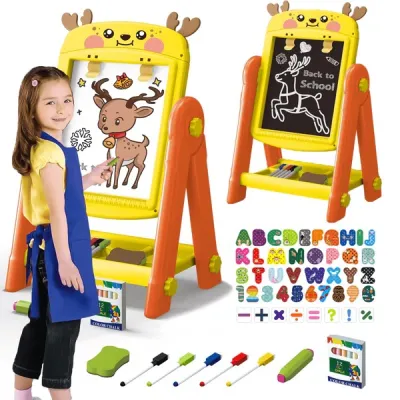
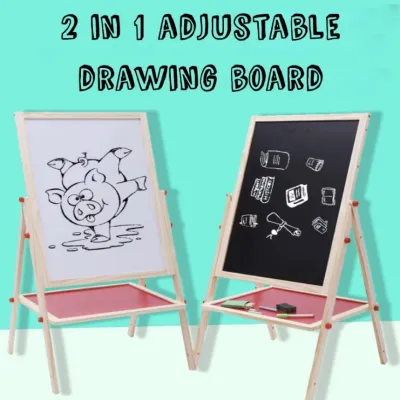
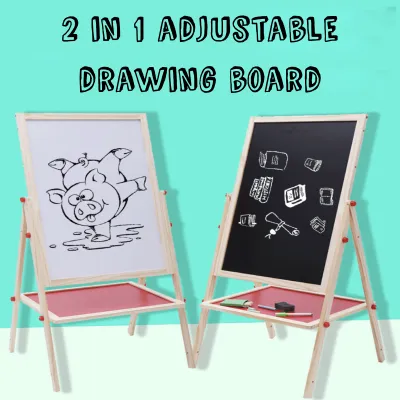
![[MQLITTLESHOP] 2 In 1 Wooden Blackboard Whiteboard Double Sided Adjustable Magnetic Drawing Writing Board Easel for Kids Drawing Board](https://img.lazcdn.com/g/p/a79792646981ac696b98ec817c4e7139.jpg_400x400q80.jpg_.webp)
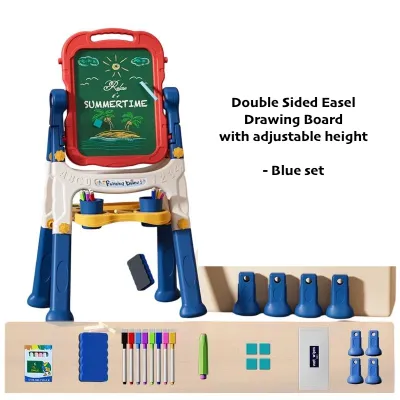
Prices are valid at publication and may change. Please refer to the product page for the latest price.
Conversely, fine motor development requires stability and focus. If your child enjoys detailed tasks like tracing, writing, or manipulating small objects, they may prefer a seated setup. A tabletop easel allows them to rest their forearms on a flat surface, providing the physical support needed to control markers, chalk, or magnetic accessories with precision. This configuration is particularly helpful for children who are transitioning to early writing and structured learning activities.
Space is another critical constraint that dictates your choice. A large, freestanding easel requires a dedicated floor area where it can remain open without obstructing foot traffic. If your home has limited floor space, a folding model or a compact tabletop board that can be stored in a closet or under a bed is a more practical solution. Measure your designated play area and compare it to the footprint specifications provided by the manufacturer before making a decision.
Match Easel Types to Creative Activities
Different creative activities require specific surfaces and structural designs. Easels generally fall into four main categories: A-frame, tabletop, magnetic, and multi-sided combo boards. Each type offers distinct advantages depending on whether your child prefers wet paint, dry chalk, erasable markers, or interactive magnetic accessories.

A-frame easels are classic, freestanding structures shaped like the letter “A” when viewed from the side. They are highly stable and often feature a double-sided design, allowing two children to work simultaneously. This setup is excellent for wet mediums like tempera or watercolor paint, as it typically includes built-in trays to hold paint cups and brushes. However, their larger footprint means they require a permanent or semi-permanent spot in your play area.
Tabletop easels are compact, portable frames designed to sit on an existing desk, dining table, or floor space. They are lightweight and easy to fold flat, making them ideal for small apartments or multi-purpose rooms. While they limit the scale of the artwork, they excel at supporting focused, individual tasks and can easily be moved from room to room or taken on trips.
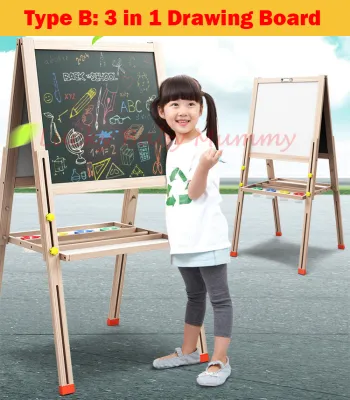
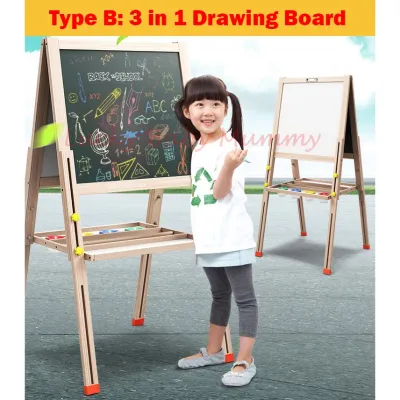
Magnetic boards and combo easels offer the greatest versatility. A combo easel typically features a whiteboard on one side and a traditional chalkboard on the other, often with a roll of paper mounted at the top that can be pulled down over either surface. Many modern whiteboards are also magnetic, allowing children to combine drawing with magnetic letters, numbers, and puzzle pieces. This multi-functional design supports a wide range of activities, from messy finger painting to early literacy practice.
A-Frame and Combo Easels for Active Standing Play
Freestanding A-frame and combo easels are the gold standard for active, full-body creative expression. These models are particularly suited for toddlers and young children who are still developing their gross motor skills. The vertical orientation of a standing easel forces the child to work against gravity, which strengthens the wrist, arm, and shoulder muscles necessary for later writing tasks.
When choosing an A-frame easel, consider whether your child will use it for collaborative play. Double-sided models allow siblings or playmates to work side-by-side, fostering social interaction, sharing, and cooperative creation. This setup also keeps different mediums separated; for example, one side can be dedicated to dusty chalk drawing while the other is used for wet painting, minimizing cleanup confusion.
Physical dimensions are critical when selecting a standing model. Verify that your room’s ceiling height and available floor space can comfortably accommodate the easel’s fully extended footprint. A wide base is essential for stability, but it also means the easel will extend further into the room. Look for models with adjustable legs, which allow you to raise the board as your child grows, extending the product’s lifespan from toddlerhood through early primary school.
Tabletop and Magnetic Boards for Focused Fine Motor Skills
For children who are ready to transition to more detailed, precision-based tasks, tabletop and magnetic boards offer a focused environment. These compact options are excellent for developing the pincer grasp and hand-eye coordination required for writing. Because the child is typically seated, they can stabilize their writing hand against the board, allowing for greater control over markers or chalk.
Tabletop models are highly efficient for homes where space is at a premium. Before purchasing, measure your child’s play table or desk to ensure the easel’s base fits securely without hanging over the edges. A slipping easel can cause frustration and potential spills. Look for models with non-slip rubber feet or pads on the bottom to keep the frame stable during enthusiastic drawing sessions.
Magnetic surfaces add an educational dimension to creative play. Children can use magnetic letters to practice spelling, arrange geometric shapes to build patterns, or hold paper templates in place without tape. When evaluating magnetic boards, check the manufacturer’s specifications regarding magnetic strength. Some boards are only designed for lightweight plastic magnets, while others can support heavier wooden or educational accessories. Ensure any included magnetic pieces are size-appropriate for your child’s age to prevent swallowing hazards.
Safety, Stability, and Material Checks
Safety should be your primary consideration when selecting any children’s furniture. Because easels are designed for active, hands-on use, they must be structurally sound and free from physical hazards. Begin by inspecting the overall stability of the frame. A high-quality easel should have a wide, stable base and a low center of gravity to prevent it from tipping over if a child leans on it or pulls on the paper roll.
Examine the construction materials and hardware carefully. If the easel is made of wood, ensure all surfaces are sanded perfectly smooth to prevent splinters, and check that any paint or protective finish is labeled as non-toxic. For plastic or metal models, inspect the joints and edges for sharp corners or rough seams. Folding mechanisms should feature secure locking hinges or safety brackets that prevent the easel from collapsing unexpectedly during play. Look for designs that incorporate non-pinch hinges to protect small fingers during setup and storage.
Finally, always consult the manufacturer’s age recommendations and safety certifications. Many easels come with small accessories like chalk pieces, dry-erase markers, magnets, or paint cup lids that can pose choking hazards for children under three years old. If you are purchasing an easel for a toddler, ensure these small parts are kept out of reach, and opt for larger, age-appropriate writing tools instead. Look for recognized safety standards on the packaging to verify that the materials used are free from harmful chemicals and heavy metals.
Frequently Asked Questions (FAQ)
How do I clean and maintain different easel surfaces?
Maintaining your easel’s surfaces ensures they remain usable and free from ghosting or staining over time. For traditional chalkboards, use a felt eraser for daily cleaning, and periodically wipe the surface with a damp microfiber cloth to remove stubborn chalk dust. Avoid using wet cloths on fiberboard-based chalkboards, as moisture can cause the material to swell and warp; always check the product care label first.
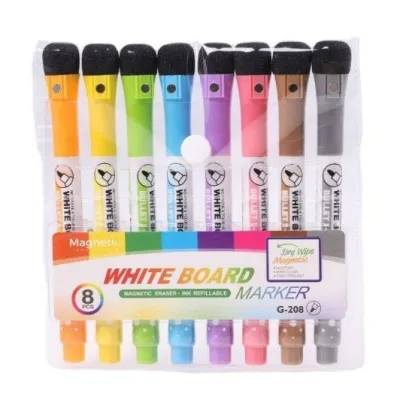
Whiteboard surfaces require dry-erase markers and a dedicated whiteboard eraser or soft cloth. If marker residue becomes difficult to remove, use a specialized whiteboard cleaning spray or a mild solution of water and a drop of dish soap on a damp cloth, followed immediately by a dry towel. Never use abrasive scrubbers, window cleaners, or chemical solvents, as these can strip the slick, non-porous coating from the board, permanently damaging its erasability.
For magnetic surfaces, cleaning methods depend on the underlying material, which is typically painted steel or plastic. Wipe these surfaces with a damp cloth and mild soap, ensuring they are dried completely to prevent rust or paint peeling. When storing your easel, keep it in a dry, temperature-controlled environment away from direct sunlight to prevent warping, cracking, or fading of the materials.
Can I use standard whiteboard markers on a combo easel?
You can generally use standard dry-erase whiteboard markers on a combo easel, provided the whiteboard surface is specifically rated for them. Always verify this by checking the manufacturer’s product specifications or packaging labels before writing on the board. Some lower-cost play boards feature painted surfaces that look like whiteboards but are actually intended only for paper or water-based crayons; using dry-erase markers on these can cause permanent staining.
If you no longer have the original packaging or instructions, perform a small, hidden-area test. Draw a tiny dot with a dry-erase marker in an inconspicuous corner of the board, wait sixty seconds, and attempt to wipe it away with a dry cloth. If the mark erases cleanly without leaving a shadow or stain, the surface is compatible with standard whiteboard markers.
If someone accidentally uses a permanent marker on the whiteboard surface, you can often remove it using a simple household technique. Scribble directly over the permanent ink with a fresh, high-quality dry-erase marker, as the solvents in the dry-erase ink will help dissolve the permanent binder. Wait a few seconds, then wipe both marks away with a soft cloth. If the stain persists, consult the manufacturer’s customer service before applying stronger household solvents, as these can permanently ruin the board’s protective finish.

Community discussion
Share your experience or ask a question. Comments are reviewed before publication.